
Trees
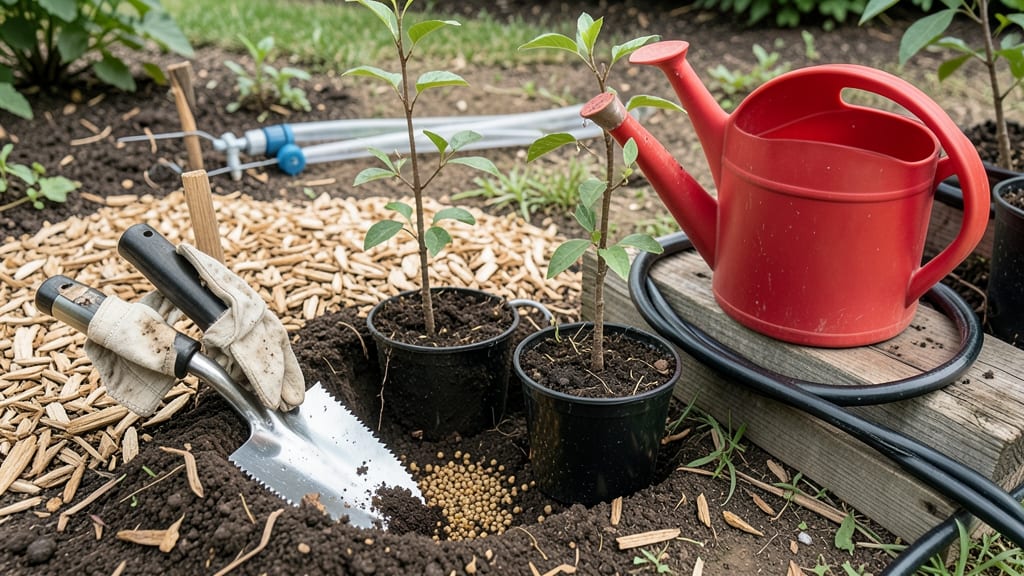
Planting fruit trees in Central Texas at the wrong time could mean the difference between a thriving orchard and a sad pile of frost-killed saplings. The perfect window isn’t just about months—it’s about soil temperatures, frost risks, and your tree’s specific needs.
Whether you’re dreaming of juicy peaches or sweet citrus, timing is everything.
Central Texas’s 8a-8b climate throws a curveball with unpredictable frost dates, but there’s a science to outsmarting Mother Nature. Late winter to early spring is your sweet spot, but we’ll break down exactly when to dig in for each type of fruit tree—from heat-loving citrus to frost-sensitive figs.
No more guessing games.
I’ve seen firsthand how a few weeks can make or break a fruit tree’s survival. The key is planting when soil temps hit 50°F+ for 7+ days, aligning with Central Texas’s last frost window.
We’ll cover soil prep, microclimates, and even container planting hacks to give your trees the best shot at success.
Ready to turn your backyard into a 🍎🍑🍊 paradise? Let’s dive into the exact steps to plant your fruit trees when—and how—they’ll thrive in Central Texas’s tough conditions. Your future harvest depends on it.
Central Texas soil temperature zones for fruit tree planting success
Central Texas's USDA Zones 8a-9b create a unique challenge for fruit tree planting—soil temperature matters just as much as air temperature. While Austin's last frost typically hits around February 15, Waco and San Antonio can experience late-spring freezes as late as April 1.
The secret to success? Planting when soil temperatures consistently stay above 50°F for 7+ days, which signals root systems can safely establish without frost damage.
Most stone fruits like peaches and plums need warmer soil (55-60°F) to thrive, while citrus and figs tolerate slightly cooler soil (45-50°F). Understanding these thresholds helps you avoid root shock and ensures your young trees grow strong enough to handle Central Texas's 100°F+ summers.
Let’s break down the ideal soil temperature zones for your favorite fruit trees.
🌱 Soil Temperature Zones for Central Texas Fruit Trees
| Fruit Tree Type | Ideal Soil Temp | Planting Window | Frost Risk |
|---|---|---|---|
| Peaches & Plums | 55-60°F | Late March - Early April | High (late spring) |
| Pecans | 50-55°F | Late February - March | Moderate (early spring) |
| Citrus (Oranges, Lemons) | 45-50°F | Early February - March | Low (if protected) |
| Figs | 40-45°F | Late Winter - Early Spring | Low (hardy once established) |
| Persimmons | 50-55°F | March - Early April | Moderate (late spring) |
| Pomegranates | 55-60°F | Late March - April | High (late spring) |
💡 Pro Tip: Use a soil thermometer to monitor temperatures before planting—especially in microclimates like urban heat islands.
In Zone 8a (e.g., Hill Country), where frosts linger longer, aim for late March planting to avoid root zone freezing. Meanwhile, Zone 9b areas (e.g., San Antonio) can plant as early as February, but watch for unpredictable late-spring freezes.
For example, the 2021 Easter freeze caught many gardeners off guard—planting too early can turn your $100 tree into a $0 lesson.
Another critical factor is rootstock selection. Dwarf varieties (like Patio Peach) establish faster but still need warmer soil than standard trees. If you’re planting bare-root trees in late winter, mulch heavily (3-4 inches of wood chips) to insulate roots until soil warms.
This technique can add 2-3 weeks of frost protection, giving your trees a head start.
Don’t overlook container planting for frost-sensitive trees like citrus. Pots allow you to move trees indoors or under cover during unpredictable cold snaps. Just ensure your containers have drainage holes and use a lightweight potting mix to prevent root rot.
I once saved a $80 Meyer lemon tree by moving it into my garage during a 28°F night)—now that’s frost-proofing!
For citrus lovers, Central Texas’s mild winters make it possible to grow oranges and lemons outdoors year-round—but only if planted in well-draining soil with full sun exposure. The key is to plant when soil temps hit 50°F and stake young trees to prevent wind damage.
I’ve seen 10-year-old citrus trees in Austin’s Southside producing harvests year-round because they were planted at the right soil temperature.
If you’re in West Texas (Zone 8a), where drought stress is a bigger concern than frost, prioritize deep watering after planting. Young trees need 15-20 gallons of water per week during their first year to establish strong roots.
In contrast, East Texas (Zone 9a) gardeners can plant slightly earlier but must still monitor soil moisture—clay soils retain water longer, while sandy soils dry out faster.
One common mistake is planting fruit trees in summer to avoid frost. Big NO! High temperatures (90°F+) cause <
Best planting windows by fruit tree type in Central Texas
Central Texas's unpredictable frost patterns mean timing your fruit tree planting isn't just about seasons—it's about specific soil temperature triggers. For most stone fruits like peaches and plums, aim for late February to early March when soil temps hit 50°F consistently for 7+ days.
Citrus and figs, however, are more forgiving and can handle early spring planting in March once the threat of hard freezes passes.
Pecan trees are the exception—they thrive when planted in late winter (January-February) while still dormant but before bud break.
This gives their deep roots time to establish before the Central Texas heat sets in. Dwarf varieties (like patio peaches) can also tolerate slightly later planting in April, but they still need 6-8 weeks of warm soil to prevent transplant shock.
Here’s my pro tip: Check the Texas A&M AgriLife Extension frost forecast weekly—late-spring freezes in April or May can still damage young trees.
If you’re in San Antonio (Zone 8b), you’ve got a 2-week window longer than Austin or Waco to plant heat-loving varieties like figs or pomegranates.
📅 Central Texas Fruit Tree Planting Calendar
- 🍑 Peaches & Plums: Late Feb–Early Mar (soil 50°F+ for 7+ days)
- 🍊 Citrus & Figs: March–Early April (after last frost risk)
- 🌰 Pecans: Jan–Feb (dormant but pre-bud break)
- 🍇 Grapes (Vines): Feb–March (bare-root best)
- 🍈 Persimmons: Feb–March (tolerates cooler soils)
- 🍉 Dwarf Varieties: March–April (smaller root systems adapt faster)
⚠️ Missed the window? Plant in fall (Oct–Nov) for established trees only—young trees can’t handle winter stress.
If you’re planting in containers, shift your timeline 2-3 weeks later—potted trees dry out faster and need warmer soil temps to avoid root rot. For bare-root trees (like those from nurseries), plant them as soon as roots sprout—don’t let them dry out!
Protect young trees with windbreaks or frost cloth if planting in open areas. My go-to method? Plant near a south-facing fence or building to trap heat. Mulch heavily (3–4 inches of wood chips) to regulate soil temps and retain moisture during Central Texas’s unpredictable spring showers.
Remember: Citrus trees (like Meyer lemons) are the most frost-sensitive—if you’re in Zone 8a (Austin/Waco), wait until mid-April to plant. Figs, on the other hand, handle mild frosts and can go in as early as February if your microclimate is sheltered.