
How To
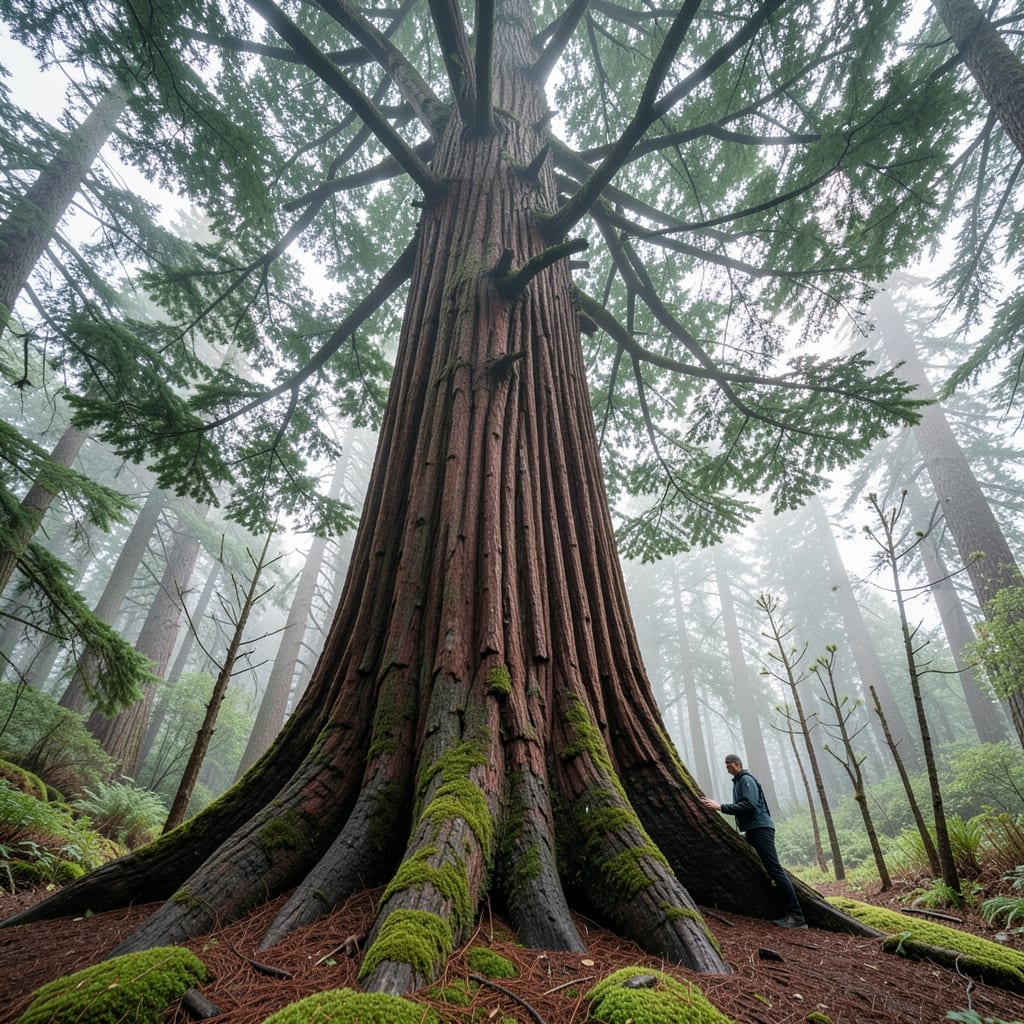
If you’ve ever stood beneath a towering sequoia tree 🌲 and wondered just how tall these ancient giants can grow, the answer might surprise you—some reach heights that defy imagination. The tallest known specimen, Hyperion, stretches an astonishing 380 feet, making it the tallest tree on Earth. But what makes these trees grow so massive, and how do their species compare?
Understanding the growth potential of sequoias isn’t just fascinating—it’s a window into their incredible resilience. From the foggy coasts of California to the mountainous regions of Oregon, these trees thrive in specific conditions that fuel their vertical expansion. Whether you’re dreaming of planting one in your yard or simply marveling at their grandeur, knowing their growth secrets is the first step to appreciating them fully.
In this guide, we’ll break down the height differences between coast redwoods and giant sequoias, explore the environmental factors that shape their size, and even share practical tips for cultivating these majestic trees—if space allows. Ready to uncover the science behind nature’s skyscrapers?
From genetic advantages to climate influences, you’ll discover why sequoias dominate the forest canopy and how you can support their growth—no matter where you live. Let’s dive into the world of these ancient giants and find out what it takes to grow them to their full, breathtaking potential.


Mature heights of sequoia species: coast redwood vs giant sequoia vs big tree
When it comes to sequoia trees, the term "giant" doesn’t even begin to describe their staggering heights. The two most famous species—coast redwoods and giant sequoias—compete for the title of Earth’s tallest trees, with coast redwoods currently holding the record. The tallest known specimen, Hyperion, stands at a breathtaking 380 feet, making it taller than a 30-story building. But how do these species compare, and what factors influence their growth?
First, let’s clarify the terminology. While often used interchangeably, coast redwoods (Sequoia sempervirens) and giant sequoias (Sequoiadendron giganteum) are distinct species with different growth patterns and habitats. There’s also the big tree (Sequoiadendron giganteum), a common name sometimes used for giant sequoias, though it’s not a separate species. For simplicity, we’ll focus on the two primary species: coast redwoods and giant sequoias.
Coast redwoods dominate in height, with mature trees often reaching 200-380 feet. Their slender trunks and ability to grow in dense foggy environments allow them to stretch skyward like nature’s skyscrapers. In contrast, giant sequoias prioritize width over height, with mature specimens typically growing 150-280 feet tall but boasting massive diameters—some exceeding 30 feet across. Their thick, fire-resistant bark and dense wood make them more robust in terms of volume than height.
Here’s where the real magic happens: environmental factors play a critical role in determining how tall a sequoia can grow. Coast redwoods thrive in the foggy coastal climates of California and Oregon, where moisture in the air fuels their rapid vertical growth. Giant sequoias, on the other hand, prefer the drier, mountainous regions of the Sierra Nevada, where their growth is slower but their trunks become thicker and more resilient.
The tallest living tree, Hyperion, a coast redwood, was discovered in 2006 in California’s Redwood National and State Parks. Its height of 380 feet is a testament to the perfect combination of genetics, climate, and space. In contrast, the most massive tree by volume is the General Sherman giant sequoia, standing 275 feet tall but with a volume of 52,500 cubic feet—enough to fill a six-story building.
But what about the big tree? While not a separate species, the term often refers to giant sequoias, which are known for their colossal size rather than just height. Their ability to live for 3,000+ years and regenerate after fires makes them one of the most resilient trees on the planet. This longevity and adaptability contribute to their impressive dimensions, even if they don’t always reach the same heights as coast redwoods.
Now, let’s dive into the specifics with a side-by-side comparison of these two iconic species, including their maximum heights, growth rates, and ideal conditions. This will help you understand why some sequoias grow taller while others become wider—both are a marvel of nature.
As you can see, coast redwoods win the height competition, while giant sequoias take the crown for sheer size and longevity. Both species rely on specific environmental conditions to reach their full potential. For coast redwoods, the foggy coastal climate provides the moisture they need to grow tall and slender. Meanwhile, giant sequoias thrive in the drier, high-elevation environments of the Sierra Nevada, where their thick bark protects them from wildfires and harsh winters.
The growth rate of these trees is another fascinating factor. Young coast redwoods can grow up to 4 feet per year in ideal conditions, while giant sequoias grow more slowly, averaging 2 feet per year in their youth. This slower growth contributes to their massive diameters and longevity. Over time, both species develop shallow but extensive root systems, allowing them to access water and nutrients efficiently, even in challenging environments.
So, if you’ve ever wondered why some sequoias grow taller while others become wider, the answer lies in their genetics, climate, and habitat. Whether you’re admiring a towering coast redwood in a California redwood forest or marveling at the sheer volume of a giant sequoia in the Sierra Nevada, these trees are a testament to nature
Secrets behind sequoia growth: soil, climate, and genetics that fuel their height
Sequoias don’t just grow tall—they defy gravity thanks to a perfect storm of genetic adaptations and environmental conditions. Their thick, fire-resistant bark and shallow but extensive root systems allow them to anchor deeply while reaching for sunlight. But the real magic happens in their native habitats, where foggy coastal climates and nutrient-rich soils create ideal growing conditions.
The coast redwood (Sequoia sempervirens) thrives in California’s foggy redwood belt, where moisture-laden air provides up to 40% of their water needs directly from the atmosphere. Meanwhile, giant sequoias (Sequoiadendron giganteum) dominate higher elevations with cold nights and warm days, a cycle that accelerates their growth during the growing season.
🌱
Key Growth Factors for Sequoias
One of the most critical factors in sequoia growth is their soil composition. These trees thrive in well-drained, nutrient-rich soils with high organic content. In the wild, their roots spread widely but shallowly—perfect for absorbing moisture from fog and surface runoff. This adaptation allows them to outcompete other trees for sunlight and resources.
Genetics also play a huge role in their height. Sequoias produce hormones that promote rapid vertical growth, especially in their early years. A young sequoia can grow up to 3 feet per year under ideal conditions, though this slows as the tree matures. Their thick bark isn’t just for fire protection—it also insulates the trunk, allowing them to grow taller without structural compromise.
However, not all sequoias grow at the same rate. Coast redwoods tend to grow faster in their youth due to the constant fog along the coast, while giant sequoias may take longer to reach their full height because of their higher elevation environments. Understanding these differences helps explain why Hyperion, a coast redwood, holds the world record for height.
If you’re dreaming of growing a sequoia, replicating these natural conditions is key. While most home gardens won’t have the space or climate, microclimates with high humidity, rich soil, and full sun can give your sequoia a fighting chance to reach miniature giant status—just don’t expect it to touch the sky! 🌳