
Size
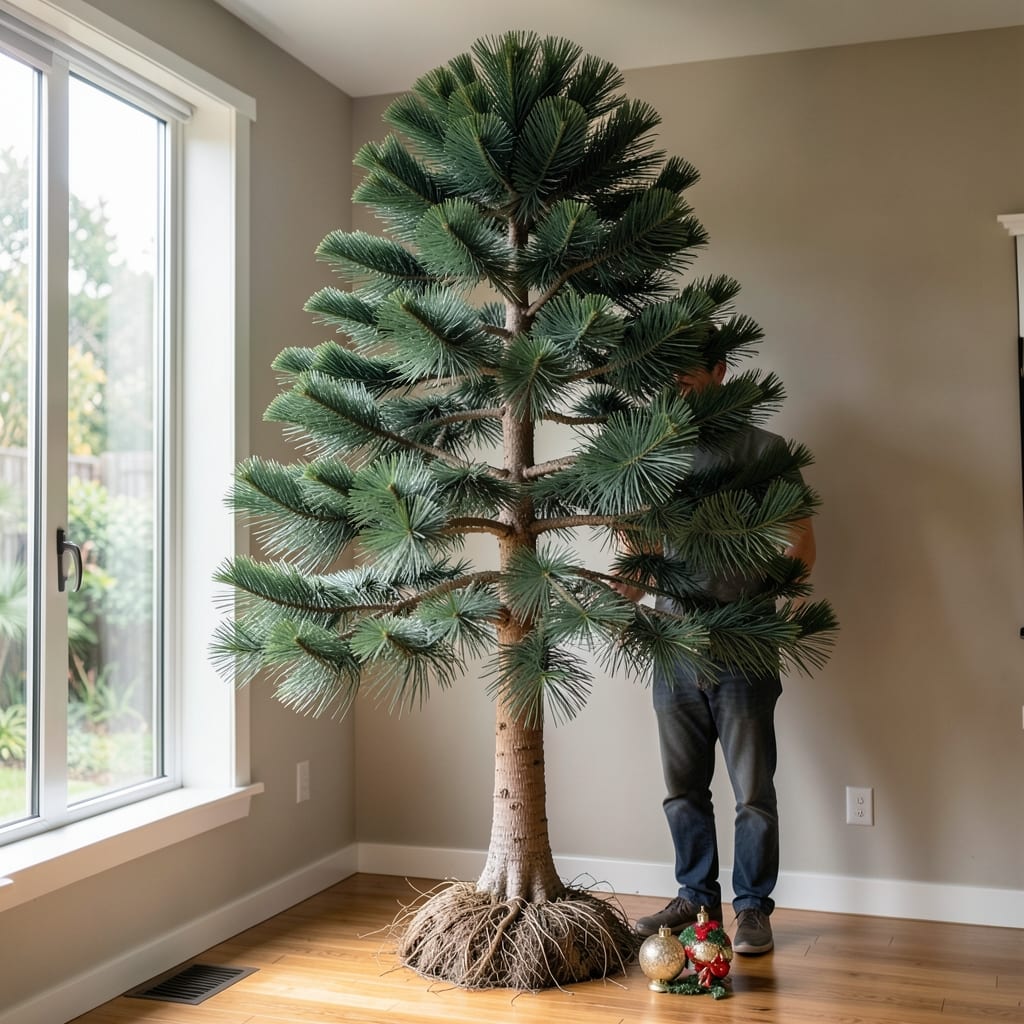
If you’ve ever wondered how tall a Christmas tree can grow—whether it’s a sky-scraping giant or a modest backyard beauty—you’re not alone. The height of a Christmas tree isn’t just about holiday magic; it’s science, patience, and the right growing conditions. Whether you’re eyeing a towering 60-foot giant or a cozy 8-foot dwarf, understanding the factors that shape your tree’s growth is the key to success.
Not all Christmas trees are created equal. Some species, like the Douglas fir, can stretch toward the clouds, while others stay compact enough for small gardens. But here’s the catch: even the tallest trees start small, and their final height depends on where you live, how much sun they get, and how well you care for them. Let’s break down what makes a Christmas tree grow tall—or stay short—and how you can steer the outcome.
You might be surprised to learn that soil quality, watering habits, and even pruning techniques play a bigger role than you think. A tree planted in rich, well-drained soil with plenty of sunlight will grow faster and taller than one struggling in shade or poor conditions. And if you’re planning ahead, knowing when to fertilize and how to protect young trees from frost can make all the difference between a scraggly sapling and a majestic holiday centerpiece.
Ready to turn your backyard into a Christmas tree haven? I’ll walk you through the species that grow the tallest, the factors that influence height, and the steps to nurture a tree that’ll make your neighbors green with envy. Let’s get started!


Christmas tree species and their maximum height potential
If you're dreaming of a backyard Christmas tree that stretches toward the sky, the first question to ask is: what species are you growing? Different Christmas tree varieties have inherent height limits based on their genetics, and some can reach stunning heights—while others stay compact. For example, a standard Douglas fir can tower over 60 feet tall, while a dwarf Alberta spruce might only reach 6 feet at maturity. Choosing the right species is the foundation for achieving your desired height.
The tallest Christmas tree species are prized for their majestic presence, but they require space, time, and proper care to reach their full potential. If you're working with limited space, dwarf or semi-dwarf varieties are excellent alternatives. Below, we’ll explore the most popular Christmas tree species and their maximum height potential, so you can plan accordingly for your holiday centerpiece.
🎄 Did You Know? The tallest Christmas tree ever recorded was a Douglas fir in Washington State, standing at a staggering 221 feet tall—taller than the Statue of Liberty! However, most backyard trees won’t reach such extremes, but with the right species and care, you can grow a tree that rivals a two-story house in height.
| Species | Height Range | Growth Rate | Best For |
|---|---|---|---|
| Douglas Fir (Pseudotsuga menziesii) | 30–60 ft | Fast (1–2 ft/year) | Large yards, bold statements |
| Nordmann Fir (Abies nordmanniana) | 40–60 ft | Moderate (6–12 in/year) | Classic holiday look, needle retention |
| Fraser Fir (Abies fraseri) | 30–50 ft | Moderate (8–12 in/year) | Fragrant needles, traditional shape |
| Scots Pine (Pinus sylvestris) | 20–40 ft | Slow (4–8 in/year) | Rustic charm, drought-tolerant |
| Dwarf Alberta Spruce (Picea glauca 'Conica') | 3–8 ft | Slow (2–4 in/year) | Small spaces, containers |
| Blue Spruce (Picea pungens) | 40–60 ft | Moderate (6–12 in/year) | Colorful foliage, year-round interest |
The Douglas fir and Nordmann fir are the giants of the Christmas tree world, capable of reaching 60 feet or more in ideal conditions. If you're aiming for a statement tree, these species are your best bet—but they require ample space and decades of growth to reach their full height. For a more manageable size, the Fraser fir or Scots pine offer a balance between height and practicality.
On the other hand, if your space is limited, dwarf varieties like the Alberta spruce are perfect for containers or small gardens. These trees stay under 8 feet tall and can even be grown indoors with proper care. Their slow growth rate makes them low-maintenance and ideal for gardeners with small yards or urban spaces. The key is to match your space and timeline with the right species.
Another factor to consider is the growth rate of each species. For instance, a Douglas fir can grow 1–2 feet per year, while a Scots pine grows much slower at 4–8 inches per year. If you're impatient for a tall tree
Key factors that influence Christmas tree growth height
Did you know that a Christmas tree’s height isn’t just about genetics? While species set the baseline, factors like sunlight exposure, soil quality, and even pruning habits can push a tree toward its maximum potential—or hold it back. For example, a Nordmann fir might reach 50 feet with ideal conditions, but poor soil could cap it at 20 feet. Understanding these variables lets you tailor care to your goals, whether that’s a backyard skyscraper or a compact holiday centerpiece.
Let’s start with light exposure, the most critical factor. Christmas trees thrive in full sun (6+ hours daily), but too much shade can stunt growth by 30-50%. If your yard has partial shade, consider dwarf varieties like the Blue Spruce, which tolerate lower light better. Conversely, overcrowding from nearby trees or structures can also limit height—ensure your tree has at least 6 feet of space on all sides for optimal air circulation and growth.
Next, let’s talk soil. Christmas trees prefer well-draining, slightly acidic soil (pH 5.0-6.5). Compacted or alkaline soil can choke roots, reducing height by up to 50%. Amend your soil with compost or peat moss to improve drainage and nutrient availability. If you’re planting in clay-heavy soil, consider raised beds to prevent root suffocation.
Watering plays a surprising role too. While Christmas trees are drought-tolerant once established, young trees need deep weekly watering to reach their full height. Shallow watering encourages weak root systems, which can stunt growth by 20-40%. Use a soaker hose to deliver water directly to the root zone without wetting the needles, which reduces disease risk.
Pruning is another area where less is often more. Many gardeners assume heavy pruning will encourage bushier growth, but over-pruning can actually reduce height by directing energy toward regrowth instead of upward expansion. Stick to removing dead or diseased branches and avoid cutting into live wood—this keeps your tree’s energy focused on reaching its full potential.
Finally, don’t underestimate the power of fertilizer. Applying a balanced NPK (10-10-10) fertilizer in early fall gives your tree a nutrient boost for the next growing season. Avoid over-fertilizing, though—too much nitrogen can lead to excessive foliage at the expense of height. For best results, spread 1 cup per 10 square feet around the tree’s drip line and water it in thoroughly.
By mastering these six key factors, you’ll be well on your way to growing a Christmas tree that meets—or even exceeds—your height expectations. Whether you’re aiming for a 60-foot giant or a 6-foot tabletop tree