
Companion Plants
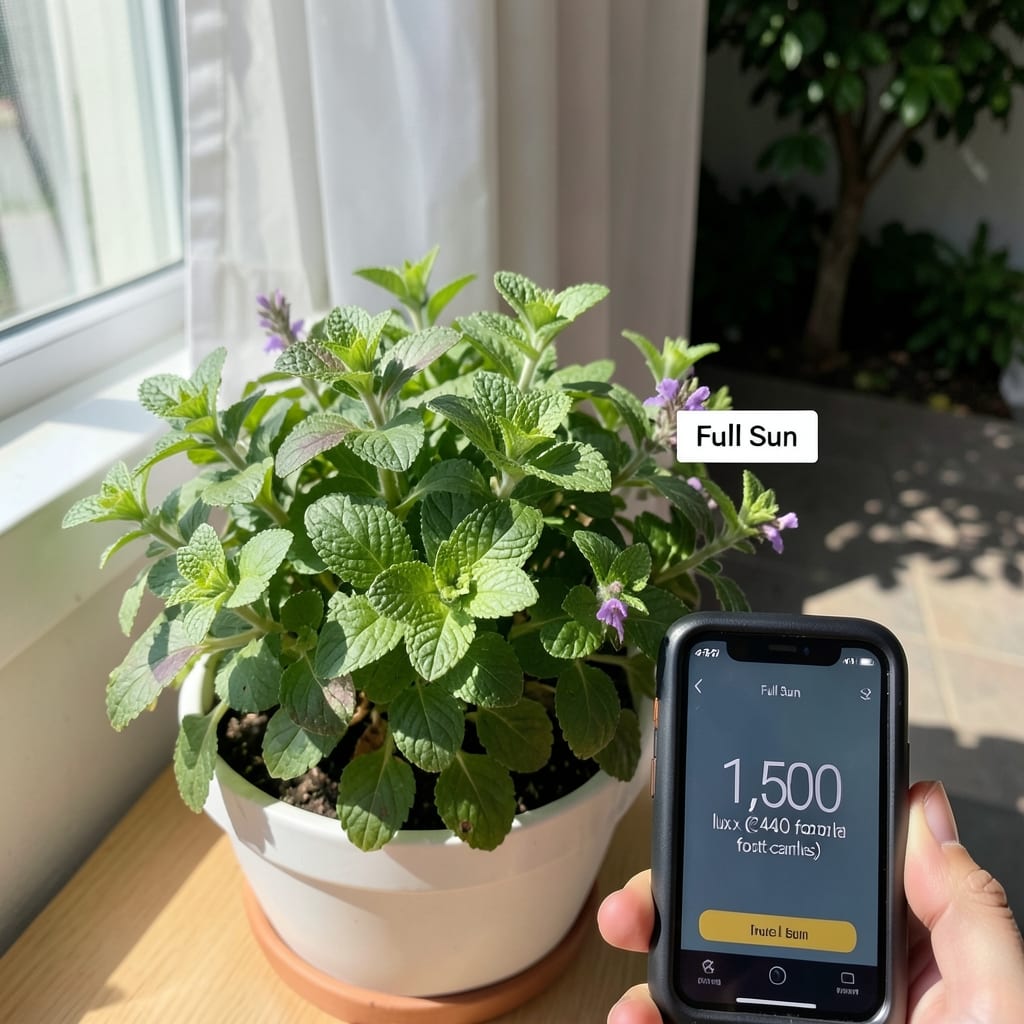
How much light does a mint plant need to thrive? If you're growing this fragrant herb—whether in your kitchen windowsill or garden plot—you might be surprised to learn that too much sun can actually harm it. Unlike sun-loving herbs, mint prefers a gentler touch, balancing bright but indirect light with moments of shade to keep its leaves vibrant and flavorful.
Most gardeners assume mint can handle full sun, but that’s a common mistake—especially in hotter climates like USDA Zone 6a. When exposed to harsh afternoon rays, mint leaves can scorch or turn bitter, ruining the fresh, crisp taste you love in teas and cocktails. The key is mimicking its natural habitat: dappled shade under taller plants or morning sun paired with afternoon relief.
In this guide, I’ll break down exactly how to give your 🌿 mint the perfect light conditions, whether you’re planting it outdoors in spring or nurturing a pot on your windowsill. You’ll learn how to spot signs of over- or under-lighting, adjust your setup for seasonal changes, and even troubleshoot leggy growth or weak stems—so you can enjoy a bountiful harvest from June through September.
Ready to transform your mint from struggling to stunning? Let’s dive into the sunlight secrets that’ll keep your herb lush, aromatic, and ready to harvest whenever you need it.
 Best Window Placement
Mint plant light requirements: the ideal sunlight spectrum for optimal growth
Mint thrives in partial shade, making it perfect for gardeners who want a low-maintenance herb that won’t scorch in direct sun. Unlike sun-loving herbs like basil or rosemary, mint prefers 4-6 hours of sunlight daily, ideally with morning sun and afternoon shade. This balance prevents leaf scorch while ensuring robust growth.
Many gardeners mistakenly assume mint can grow in full shade, but this leads to leggy, weak stems and reduced flavor. Conversely, too much direct afternoon sun (especially in hot climates) causes yellowing leaves and stunted growth. The key is filtered or dappled light, like under tree canopies or near east-facing windows.
For variegated mint varieties, like 'Variegated Mint' or 'Mocha Mint', the light requirements are slightly stricter. These need bright indirect light to maintain their color patterns. Without enough light, the white or cream variegation fades, leaving you with solid green leaves that lose their ornamental appeal.
| Light Condition | Daily Sunlight Hours | Ideal For | Growth Impact |
|---|---|---|---|
| Partial Shade (Ideal) | 4-6 hours | East-facing windows, dappled sunlight | Vibrant leaves, strong stems, best flavor |
| Morning Sun + Afternoon Shade | 3-4 hours direct sun | Outdoor containers, garden beds | Healthy growth, minimal stress |
| Full Shade | 0-2 hours | North-facing windows, deep shade | Leggy growth, weak stems, pale leaves |
| Full Sun (Hot Climates) | 6+ hours | South-facing windows, desert gardens | Leaf scorch, bitter taste, stunted growth |
If you're growing mint in containers, place them where they’ll receive morning sunlight and move them to shadier spots as the day heats up. For outdoor garden beds, position mint near taller plants or under light tree cover to naturally filter the sun. In USDA Zones 6-9, this means planting mint where it gets morning sun and afternoon shade during summer months.
One common misconception is that mint can thrive in full shade because it’s often found growing wild under trees. While it can survive in these conditions, it won’t reach its full potential. For the best flavor and growth, aim for at least 4 hours of bright, indirect light daily. This ensures your mint stays compact, aromatic, and productive.
For indoor mint plants, an east-facing window is ideal because it provides gentle morning light without the harsh afternoon rays. If your home only has south-facing windows, use a sheer curtain to diffuse the light and prevent leaf burn. Avoid placing mint in dark corners or rooms with no natural light, as this leads to weak, sparse growth.
In hot, dry climates (like USDA Zone 10), mint may need additional afternoon shade to prevent heat stress. Use lightweight shade cloth (30-50% coverage) or a breathable fabric to protect your plants during peak sun hours. This is especially important for potted mint, which heats up faster than in-ground plants.
To test if your mint is getting the right amount of light, observe its leaf color and growth pattern. Healthy mint leaves are dark green, glossy, and upright. If leaves turn yellow or pale, it’s getting too much light. If stems stretch tall and leggy, it needs more light. Adjusting its position based on these signs ensures your mint stays lush and flavorful.
Pro tip: Rotate your potted mint every few days to ensure even light exposure on all sides. This prevents one-sided growth and keeps your plant symmetrical and healthy. With the right light balance, your mint will reward you with abundant, aromatic leaves all season long.
Signs your mint plant isn’t getting enough (or too much) light
Your mint plant speaks volumes through its leaves—pay attention to these visual cues that reveal whether it’s crying out for light or burning under too much sun. Yellowing leaves are the first red flag: crisp edges or a pale cast often signal excessive sunlight exposure, especially during hot afternoons. This happens when mint receives more than 4-6 hours of direct sun, particularly in USDA Zones 7-10 where temperatures soar.
On the flip side, leggy stems and spindly growth scream for more light. When mint stretches toward dim windows or shady corners, it’s compensating for insufficient bright indirect light. These stems grow weak and rubbery, making them prone to snapping under their own weight. The leaves also become smaller and less aromatic, losing that signature minty freshness you crave in teas.
Too much sun: Crispy brown edges, bitter taste, stunted growth
Too little light: Pale leaves, weak stems, slow growth
Action: Move plant immediately to 4-6 hours of filtered light
For indoor mint plants, check the window placement first. If your mint sits on a south-facing sill without protection, the intense midday sun can cause leaf scorch—visible as brown patches along the edges. In contrast, a north-facing window might leave your plant stunted and sparse. The solution? Use a sheer curtain on south-facing windows or relocate to an east-facing spot for gentler morning light.
Outdoor mint tells a similar story. If your garden bed mint develops yellow patches during summer, it’s likely overheating under unfiltered afternoon sun. Provide afternoon shade using a lightweight shade cloth (30-50% coverage) or plant near taller companions like tomatoes or peppers, which naturally filter the light. Conversely, if your mint grows slowly with sparse leaves, it’s not getting enough bright indirect light—try moving it to a sunnier spot or pruning nearby plants for better exposure.
Another telltale sign is flowering too early. Mint produces tiny purple flowers when stressed—often a response to too much light or nutrient deficiency. While not harmful, flowering reduces leaf production and can make the leaves less flavorful. Pinch off flowers as soon as they appear to redirect energy back to leaf growth. Combine this with proper light adjustments to keep your mint lush and productive.
To revive a light-stressed mint plant, start by adjusting its position. If it’s been in full sun, move it to partial shade immediately. For underlit mint, gradually increase light exposure over 3-5 days to avoid sunburn shock. Pair this with consistent watering (keep soil moist but not soggy) and a light fertilizer (like 5-10-10) to encourage recovery. With the right light balance, your mint will bounce back with vibrant, glossy leaves within 2-3 weeks.
Pro tip: Use a reflective surface like a white tray under potted mint to bounce extra light onto the leaves. This mimics the natural dappled light mint loves and can make a world of difference for indoor plants in low-light rooms. With these adjustments, your mint will thrive year-round—no more sad, struggling stems!