
Size
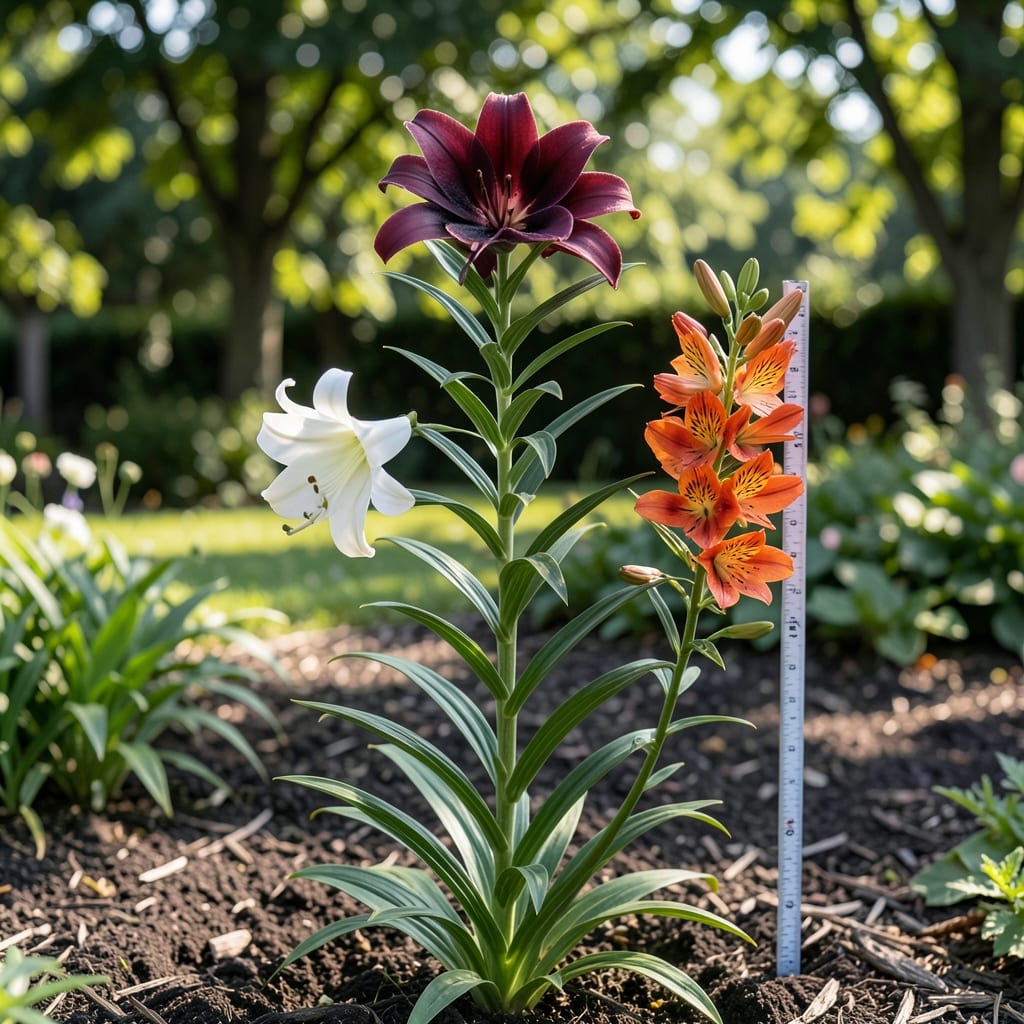
If you’ve ever wondered how tall can lilies grow, the answer might surprise you—some varieties stretch taller than your average adult, while others stay neatly tucked in garden beds. These stunning 🌸 blooms aren’t one-size-fits-all; their height depends entirely on the type you choose, from delicate dwarfs to sky-reaching giants.
Picture this: one year, your Asiatic lilies might reach just 2-3 feet, while your Oriental neighbors tower over your fence at 5-6 feet. That dramatic difference means your garden layout—and your patience—will play a big role in how they perform. The right spacing and care can turn a wild, flopping mess into a structured, show-stopping display.
But here’s the thing: lilies don’t just grow tall on their own. Soil quality, sunlight exposure, and even the right fertilizer can push those stems toward their full potential—or keep them stunted. Whether you’re dreaming of a dramatic 6-foot Trumpet lily or a compact 1-foot Martagon**, we’ll break down exactly what to do (and avoid) for the best results.
Ready to plan your perfect lily garden? Let’s dive into the ultimate height chart by variety, plus the care secrets that’ll make your lilies reach for the sky—without the chaos. Your garden’s vertical potential starts here.


Lily height by variety: towering giants vs. compact dwarfs
When planning your garden, knowing how tall can lilies grow is key to avoiding overcrowding or underwhelming displays. The most dramatic differences appear between Asiatic lilies (2-4 feet) and Trumpet lilies (5-7 feet). Even within a single category, heights can vary by 1-2 feet depending on growing conditions and care.
For example, my Oriental lilies in Zone 7 consistently hit 5-6 feet, while my Martagon lilies (also called Turk's cap lilies) top out at just 2-3 feet. This variation means your garden’s vertical design should account for these extremes—whether you’re creating a lush border or a dramatic focal point.
Here’s how the major lily categories stack up in height, along with their unique characteristics that influence growth:
| Variety | Mature Height | Key Traits | Best For |
|---|---|---|---|
| Asiatic Lilies | 2–4 ft | Early bloomers, disease-resistant, vibrant colors | Borders, containers, cut flowers |
| Oriental Lilies | 4–6 ft | Fragrant, late-season blooms, bold petals | Back of borders, focal points |
| Trumpet Lilies | 5–7 ft | Dramatic, long-lasting blooms, deer-resistant | Tall gardens, woodland edges |
| Martagon Lilies | 2–3 ft | Unique nodding flowers, shade-tolerant | Woodland gardens, partial shade |
| Stargazer Lilies | 3–5 ft | Hybrid vigor, intense fragrance, bold stripes | Cut flower arrangements, mixed borders |
| Daylilies (Hemerocallis) | 1–3 ft | Not true lilies, but often grouped with them; prolific bloomers | Ground cover, pollinator gardens |
If you’re aiming for maximum height, focus on Oriental or Trumpet lilies, which can easily surpass 6 feet with ideal care. My ‘Stargazer’ lilies once reached 6.5 feet in a sunny, well-fed bed—though they required staking to prevent flopping. For compact gardens, Martagon or Asiatic varieties are perfect, staying under 3 feet while still delivering stunning blooms.
One variety that often surprises gardeners is the ‘Regale’ hybrid, a cross between Asiatic and Oriental lilies. These can hit 4-5 feet while offering the disease resistance of Asiatics and the fragrance of Orientals. It’s a great middle-ground option if you’re torn between height and hardiness.
For those with limited space, consider dwarf varieties like ‘Little Champion’ Asiatic lilies, which max out at 18-24 inches. These are ideal for container gardening or rock gardens, where space is at a premium. Even in small pots, they’ll reward you with 3-4 inch blooms that punch well above their weight.
Pro tip: If you’re planting near a fence or trellis, Trumpet lilies can climb or lean gracefully, creating a natural vertical display. Just be sure to secure them with soft ties to avoid stem damage as they grow.
Now that you know the height ranges, the next step is planning your garden layout to accommodate these differences—without sacrificing beauty or functionality. Let’s explore how to space lilies for optimal growth and avoid common height-related pitfalls.
How lily height affects garden planning and spacing
When planning your lily garden, height isn’t just about aesthetics—it’s about survival. A 6-foot Trumpet lily planted too close to a 2-foot Asiatic will steal sunlight and nutrients, leaving both struggling. The key? Spacing by height zones to ensure every plant gets what it needs without competing for dominance.
Start by grouping tall varieties (4-6 ft) like Oriental and Stargazer lilies together in the back of beds or along fences. Their towering stems need room to avoid flopping in wind or rain, so give them 18-24 inches of clearance from other plants. This also prevents their heavy blooms from breaking stems.
For medium-height lilies (2-4 ft), such as Asiatic and Martagon, aim for 12-18 inches of spacing. These work beautifully in mixed borders or as mid-height accents. Plant them 12 inches away from shorter perennials like daylilies or salvia to avoid shading their neighbors.
Don’t overlook dwarf varieties (1-2 ft), like Lilium martagon or some Asiatic hybrids. These thrive in front borders or containers, where their compact size shines. Space them 6-12 inches apart to let air circulate and prevent fungal diseases that thrive in crowded, damp conditions.
Companion planting is another game-changer. Pair tall lilies with deep-rooted perennials like peonies or delphiniums, which won’t compete for water. For shorter lilies, try ground covers like ajuga or creeping thyme to fill gaps without stealing their spotlight.
Here’s a critical mistake many gardeners make: ignoring future growth. A 2-foot lily today could reach 5 feet in 3 years with ideal care. Always plan for mature height, not just the current season’s size. Your garden will thank you with fewer crowded, flopping stems and more dramatic, well-structured displays.
Pro tip: Use stakes or cages for varieties prone to flopping, like Oriental lilies. Install them early—once stems reach 12 inches tall—to avoid damaging roots later. This small step can mean the difference between a neat, upright lily and a wild, tangled mess.
🌿