
Size
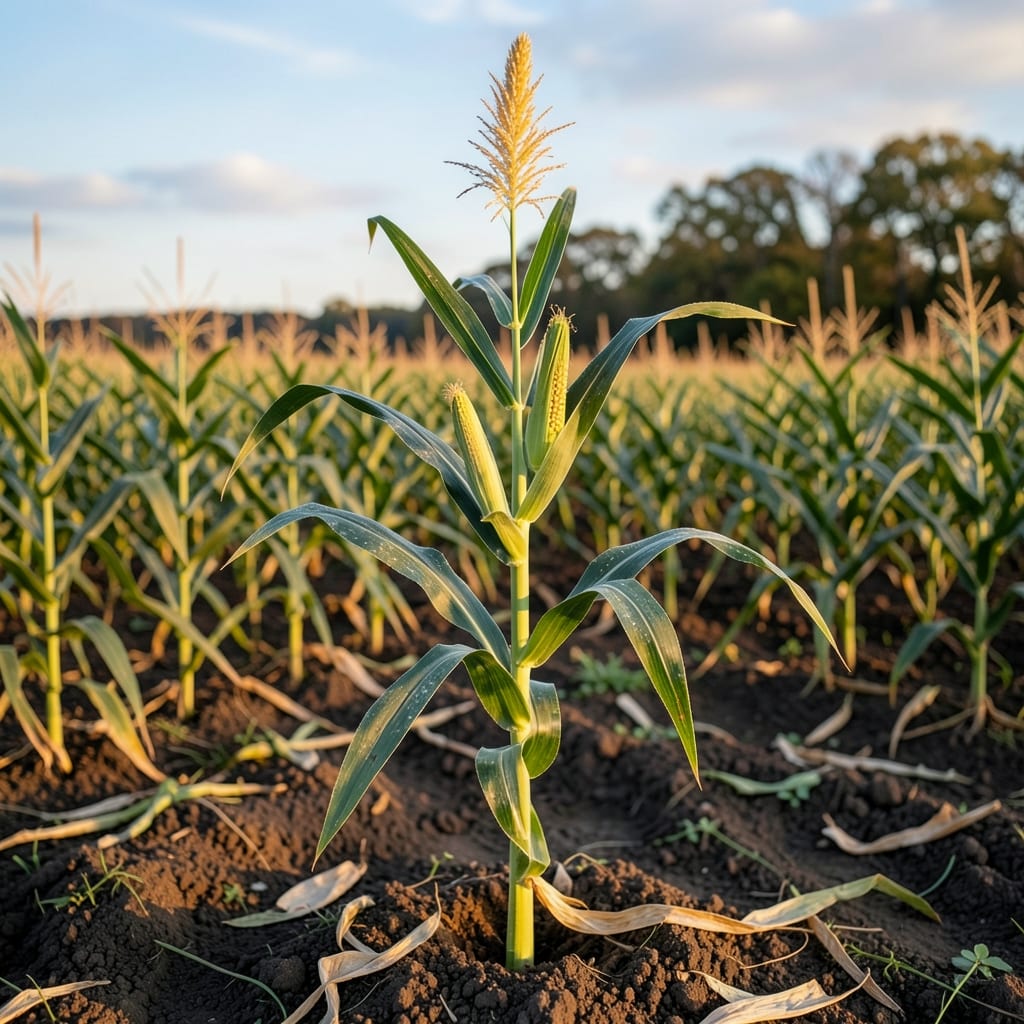
Ever looked at a towering cornfield and wondered how tall can a corn plant grow in your own backyard? The answer might surprise you—some varieties stretch over 12 feet, while others stay compact enough for containers! Whether you're planning a small garden or dreaming of a corn maze, understanding these height differences is the key to success.
Corn isn’t just one-size-fits-all—it comes in a spectrum of sizes, from dwarf varieties perfect for urban balconies to giant stalks that could shade your fence. But what makes the difference? Genetics, sunlight, and soil all play a role in whether your 🌽 will reach sky-high or stay modest. Let’s break down how to pick the right height for your space and grow conditions.
If you’ve ever struggled with stunted plants or overcrowded rows, you’re not alone. The right variety—and a few smart growing tips—can transform your harvest. I’ll share which corn types thrive in USDA Zone 6a and how to support them for maximum height (or keep them manageable). Ready to grow corn that fits your garden—and your goals?
From April planting to July harvests, timing matters just as much as space. Whether you’re a beginner or a seasoned gardener, these insights will help you choose corn that grows tall, strong, and full of flavor. Let’s get started!

Corn plant height variations: from dwarf to giant varieties explained
Corn plants can reach heights that seem almost magical—some barely taller than your knee, while others tower over your house like giant stalks of sunshine. The dramatic differences in height come down to one key factor: variety selection. Whether you're dreaming of a backyard cornfield or a container-friendly harvest, understanding these height ranges will help you plan your garden like a pro.
Most corn varieties fall into three distinct height categories: dwarf (3–5 feet), standard (6–8 feet), and giant (9–12+ feet). Each category serves different purposes, from ornamental displays to high-yield food production. For example, a 5-foot 'Baby Blue' corn thrives in pots, while a 10-foot 'Country Gentleman' needs wide-open space to stretch its leaves toward the sky.
Here’s how these height ranges break down—and which varieties fit where in your garden:
| Height Range | Varieties | Best For | Space Needs |
|---|---|---|---|
| 3–5 feet | 'Baby Blue,' 'Golden Bantam' | Containers, small gardens, ornamental | 6–12 inches apart |
| 5–7 feet | 'Silver Queen,' 'Peaches and Cream' | Backyard gardens, medium spaces | 12–18 inches apart |
| 8–10 feet | 'Country Gentleman,' 'Kandy Korn' | Large gardens, livestock feed, fresh ears | 24–36 inches apart |
| 10–12+ feet | 'Mammoth Melting,' 'Lodening' | Field planting, high yields, rural areas | 36+ inches apart |
Dwarf varieties like 'Golden Bantam' are perfect for container gardening or urban balconies, while standard heights (6–8 feet) work beautifully in raised beds or traditional garden plots. If you’re aiming for a dramatic backyard spectacle, giant varieties will make your neighbors do a double-take—but they require ample spacing to avoid shading each other.
Pro tip: Check seed packets for mature height estimates, and always plant in blocks (not rows) to ensure better pollination, especially for tall varieties. A 12-foot corn plant might look impressive, but without proper spacing, you’ll end up with underdeveloped ears or fungal diseases from poor airflow.
For small-space gardens, consider bush corn varieties like 'Golden Midget,' which grow just 3–4 feet tall but still produce sweet, edible ears. These are ideal for patio planters or even hanging baskets with deep roots. Just be prepared for smaller yields—think of them as the miniature versions of their towering cousins.
One common misconception is that taller corn always means better ears. In reality, height doesn’t guarantee quality—it’s all about genetics, sunlight, and soil health. A 5-foot 'Silver Queen' can produce just as many delicious ears as a 10-foot 'Country Gentleman' if given the right care. The key is matching the variety to your garden’s layout and climate.
If you’re new to growing corn, start with a medium-height variety like 'Peaches and Cream' (6–7 feet). It’s forgiving for beginners, produces abundant ears, and fits well in most backyard gardens. Once you’ve mastered the basics, you can experiment with dwarf or giant varieties to see what thrives in your space.
Remember: Corn plants grow fastest during warm months (June–August in most regions), so if you’re planting in cooler climates, opt for shorter varieties with shorter growing seasons. Varieties like 'Early Sunglow' (5–6 feet) mature in just 60–70 days, making them ideal for short-season gardens.
🌽 Whether you're aiming for a whimsical dwarf corn or a sun-soaked giant, the right variety will transform your garden into a productive, eye-catching masterpiece. Now that you know the height ranges, it’s time to grab some seeds and start planning!
What determines how tall a corn plant grows: genetics, soil, and climate
Ever notice how some corn plants shoot up like sky-scrapers while others stay short and stocky? The answer lies in a mix of genetics, growing conditions, and a little bit of luck. Even if you plant the same variety, factors like soil quality, sunlight, and water can push a 6-foot plant to 10 feet—or stunt it to half its potential. Let’s dig into what really controls those towering (or not-so-tall) stalks.
At the core, corn height is 80% genetics. Hybrid varieties like 'Country Gentleman' are bred to reach 10+ feet, while dwarf types like 'Golden Bantam' max out at 3–4 feet. But even the hardiest genetics need the right conditions to thrive. Think of it like a blueprint versus construction materials—the blueprint (DNA) sets the limit, but the materials (soil, water, sun) determine how close you get to that limit.
Here’s how each factor plays a role in your corn’s height:
Factors That Influence Corn Height
Determines maximum potential height. Hybrid seeds like 'Mammoth Melting' are bred for 10–12 feet, while dwarf varieties stay under 5 feet.
Needs 6–8 hours of direct sun daily. Less light = shorter, weaker stalks and fewer ears.
Rich in nitrogen (N), phosphorus (P), and potassium (K) fuels rapid growth. Poor soil = stunted growth and weak stems.
Consistent moisture (1–2 inches/week) is critical. Drought stress halts growth and can kill plants mid-season.
Overcrowding leads to competition for sunlight/nutrients, resulting in shorter, weaker plants. Follow seed packet spacing guidelines!
Warmer regions (like USDA Zone 8+) grow taller faster. Cooler climates slow growth—opt for shorter-season varieties.
One of the biggest mistakes I see is assuming bigger plants = better ears. In reality, tall corn doesn’t always mean productive corn. A 12-foot stalk with poor genetics or weak soil might produce tiny, underdeveloped ears, while a 6-foot 'Silver Queen' with rich soil and full sun could yield plump, sweet ears. The key is balance—give your plants what they need to reach their genetic potential without overdoing it.
If your corn plants are lagging behind, check these common culprits:
- Nitrogen deficiency (yellow leaves = stunted growth)
- Overcrowding (plants leaning or breaking)
- Inconsistent watering (wilting or dry soil)
- Poor drainage (root rot from soggy soil)
Start by testing your soil’s pH and nutrient levels. Corn thrives in slightly acidic to neutral soil (pH 6.0–7.0) with plenty of organic matter. If your soil is lacking, amend it with compost or a balanced fertilizer (10-10-10) before planting.
For tall varieties, consider adding stakes or trellises to support heavy stalks, especially in windy areas. A 10-foot corn plant can easily snap at the base if unsupported. Even dwarf varieties benefit from light staking if grown in containers, where wind and uneven watering can stress them.
🌾 Pro tip: Plant corn in blocks (not rows) to improve pollination, especially for tall varieties. This ensures even height growth and better ear development across your garden. And remember—patience is key. Corn grows fastest during June–August, so if you’re in a cooler climate, choose early-maturing varieties to avoid stunted growth from shorter seasons.