
Size
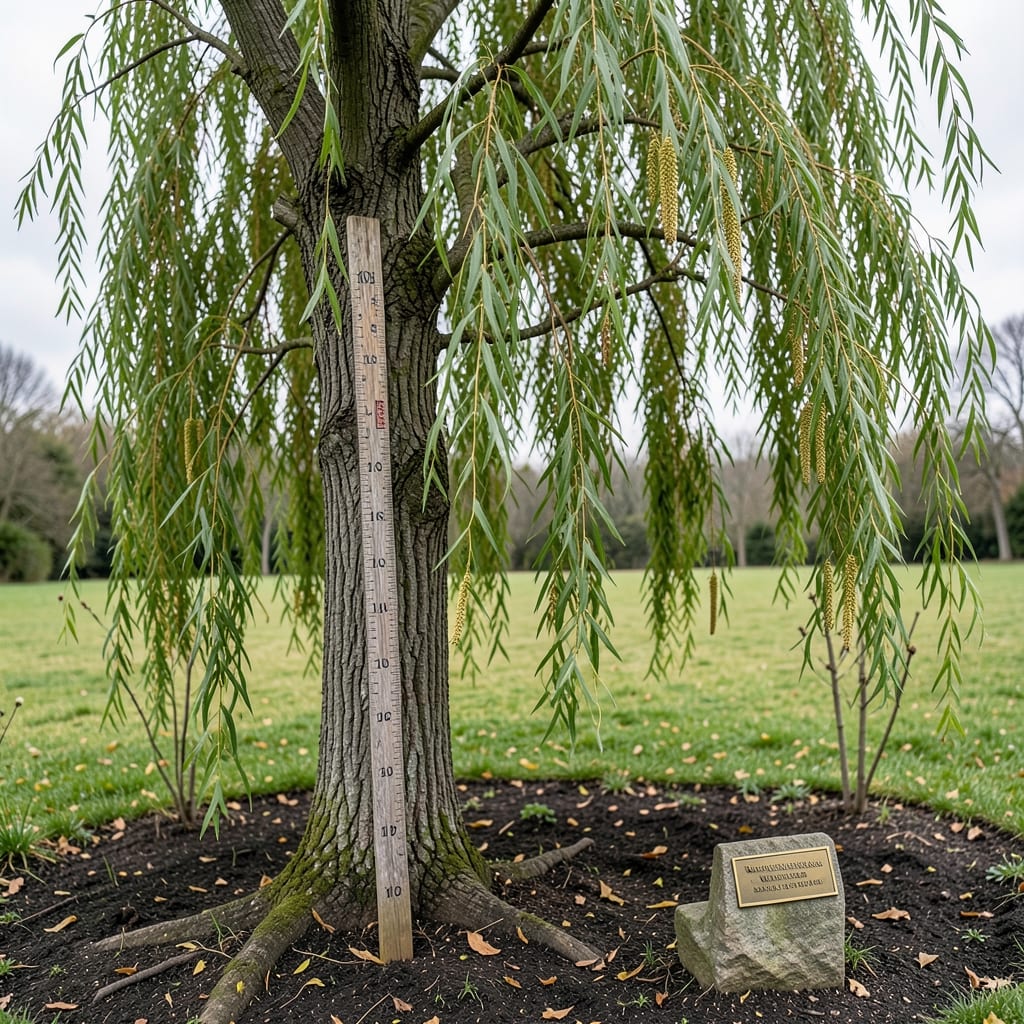
If you’ve ever wondered just how tall willow trees can grow, the answer might surprise you—some varieties stretch toward the sky like natural skyscrapers, while others stay grounded enough for cozy yards. The fastest-growing willows can shoot up 6 feet per year, reaching heights that dwarf even the tallest two-story homes. But before you plant one, knowing the exact space needs and growth habits of your chosen variety is key to avoiding unwelcome surprises.
Willow trees are famous for their dramatic height variations, from the graceful weeping willow (which typically grows 15-30 feet) to the towering giant black willow, capable of soaring over 100 feet in ideal conditions. Whether you’re dreaming of a private shade canopy or a picturesque water feature, understanding these differences will help you pick the perfect tree for your space—and your long-term landscape plans.
For gardeners in USDA Zone 6a, where spring planting season kicks off in March-April, timing and location matter just as much as the variety. A willow planted near a water source thrives with its roots in moist soil, but without proper planning, even the most stunning 🌳 willow tree can become an unwelcome neighbor if it outgrows its welcome. Let’s break down what you need to know to harness their beauty without the headaches.
In this guide, I’ll cover the fastest-growing willow varieties, how to control their size with pruning and barriers, and even which compact options work for small yards. By the end, you’ll know exactly how to balance their breathtaking height with your backyard’s reality—so you can enjoy their elegance without the stress.

Willow tree height by variety: fastest-growing giants and compact options
Willow trees are famous for their dramatic height variations, from delicate weeping varieties that sway like dancers to giant willows that rival skyscrapers. The fastest-growing species can add 6 feet per year—that’s 18 feet every three years—making them both a gardener’s dream and potential nightmare if space isn’t considered. Understanding these differences is key to selecting the perfect willow for your landscape, whether you want a shade canopy or a privacy screen.
Below, I’ve compared the most popular willow varieties by their mature height, growth rate, and ideal planting scenarios. Some varieties, like the giant black willow, are better suited for rural properties with ample space, while others, like the pussy willow, thrive in smaller gardens. Let’s dive into the specifics so you can make an informed choice.
| Variety | Mature Height | Growth Rate | Best For |
|---|---|---|---|
| Weeping Willow (Salix babylonica) | 15–30 ft | 3–6 ft/year | Ponds, shade, privacy |
| Giant Black Willow (Salix nigra) | 50–100+ ft | 4–8 ft/year | Large properties, wetlands |
| Pussy Willow (Salix discolor) | 10–20 ft | 2–4 ft/year | Small yards, ornamental |
| Corkscrew Willow (Salix matsudana 'Tortuosa') | 20–30 ft | 2–5 ft/year | Accent plant, unique shape |
| Purple Osier (Salix purpurea) | 10–15 ft | 1–3 ft/year | Borders, wildlife habitat |
| White Willow (Salix alba) | 30–50 ft | 3–6 ft/year | Large gardens, erosion control |
The weeping willow is one of the most popular choices for home gardens, thanks to its elegant, drooping branches that create a stunning focal point near ponds or patios. However, its rapid growth means it can quickly outpace even the largest yards. If you’re working with limited space, consider the pussy willow or purple osier, both of which stay under 20 feet and add beautiful color and texture without the space demands.
For those with ample room, the giant black willow is a true statement piece, capable of reaching 100 feet or more in ideal conditions. This variety thrives in wetlands or near water sources, making it perfect for rural properties or naturalistic landscapes. Just be prepared for its aggressive growth—this isn’t a tree for small backyards!
If you’re torn between varieties, consider your long-term goals. A weeping willow might start small but will need regular pruning to control its spread. Meanwhile, a corkscrew willow offers a unique, twisted silhouette that’s perfect for adding visual interest without taking over your space. Think about how much maintenance you’re willing to commit to and whether you prioritize height, shape, or ornamental value.
One of the most critical factors in willow tree growth is soil moisture. These trees love water and will grow fastest when planted near ponds, streams, or in areas with high groundwater. In drier climates, you’ll need to supplement with regular watering to encourage healthy growth. If your soil is too dry, even the fastest-growing varieties may struggle to reach their full potential height.
Another consideration is USDA Zone 6a, where willows thrive in the spring planting window (March-April). Planting at the right time ensures your tree establishes strong roots before summer heat sets in. For the fastest growth, aim to plant bare-root willows in moist
How to control willow tree growth: pruning, roots, and space management
Willow trees grow fast—sometimes too fast—and their aggressive roots can spread just as quickly. If you’ve planted one without planning for containment, you might soon face a 100-foot monster crowding your yard or damaging nearby structures. The good news? With the right strategies, you can tame their growth while keeping them healthy and beautiful. Let’s dive into the most effective ways to manage willow trees in any space.
First, pruning is your best friend for controlling height and shape. Young willows respond well to pruning, but timing matters. Cut back 1/3 of the branches in late winter or early spring before new growth begins. This encourages a fuller, bushier form and prevents them from shooting up uncontrollably. For weeping willows, focus on trimming the lowest branches to lift the canopy and improve airflow, reducing disease risk.
🌳Root barriers are a game-changer for preventing willow roots from invading your lawn, driveway, or neighbor’s property. Install a 30-inch deep barrier made of heavy-duty plastic or corrugated metal at least 3 feet away from the trunk. Bury it vertically to block lateral roots while allowing vertical growth. This is especially critical for giant black willows, whose roots can spread 100 feet or more in search of water.
⚠️ Warning: Willow Roots Are Invasive
Willow roots can damage sidewalks, septic systems, and foundations. If you’re planting near structures, install a root barrier immediately—after the fact, removal is far more difficult and costly. For urban gardens, consider container-grown willows (though they’ll still need pruning).
For small yards or urban spaces, choose dwarf varieties like Salix caprea (goat willow), which max out around 15-20 feet. Even then, regular pruning every 1-2 years will keep them in check. Avoid planting near water sources unless you’re prepared for rapid growth—willows thrive near ponds or streams but can become unmanageable without constraints.
Another trick? Mulching heavily around the base with wood chips or straw (keep it 3 inches away from the trunk to prevent rot). This slows root spread slightly and retains moisture, reducing the tree’s need to send out exploratory roots. Pair this with consistent watering (1-2 inches per week) to encourage deeper, less aggressive root systems.
If your willow has already outgrown its welcome, don’t despair—gradual pruning over 2-3 years can reduce its height by 30-50%. Start by cutting back the tallest branches in stages, always removing no more than 25% of the canopy per year. This method is safer for the tree and prevents shock. For extreme cases, consult an arborist about professional topping, though this should be a last resort.
With these strategies, you can enjoy the elegance of willow trees without the chaos. Whether you’re pruning, barrier-installing, or choosing a compact variety, proactive care is the key to keeping your willow tree both stunning and well-behaved. 🪴