
Size
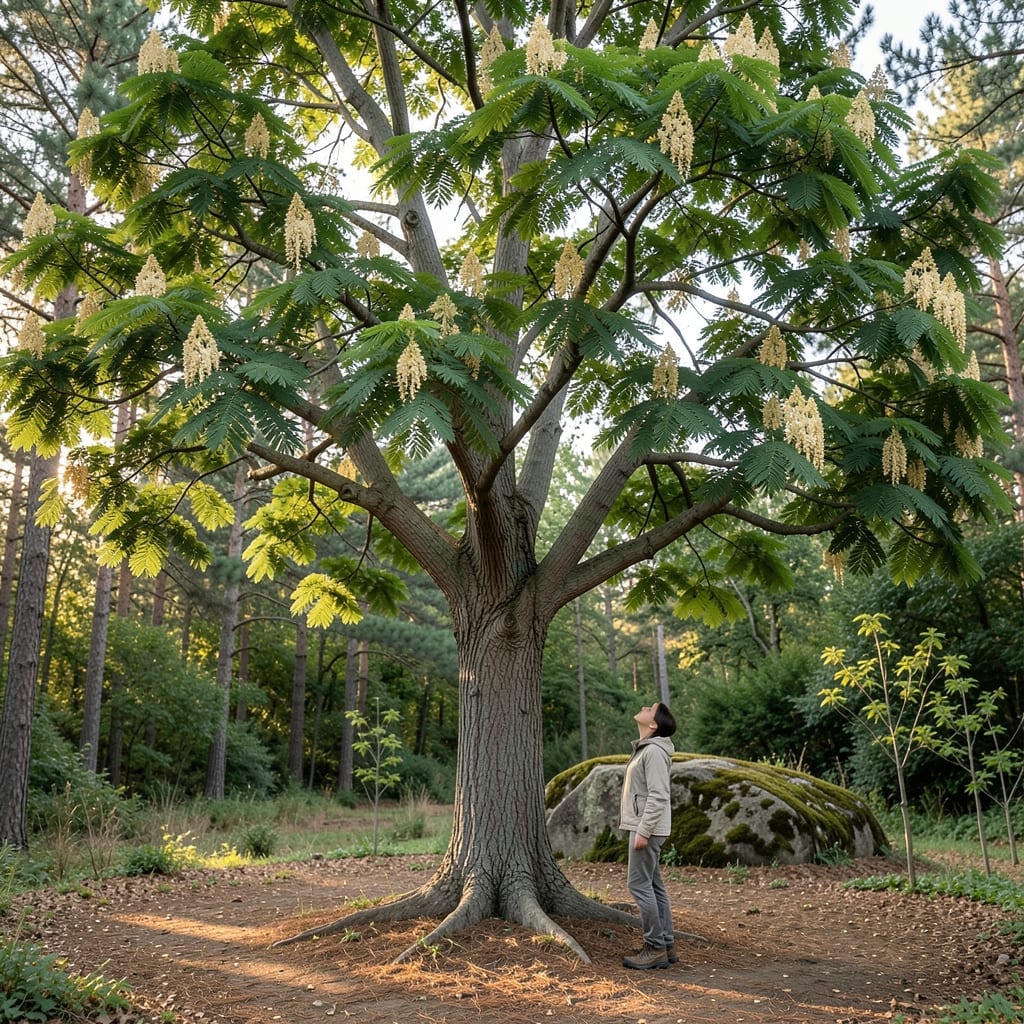
Wondering how tall do acacia trees grow before you commit to planting one? The answer might surprise you—these trees range from dwarf varieties under 15 feet to towering giants that stretch over 60 feet tall, depending on the species and growing conditions.
If you're dreaming of a fast-growing shade tree for your yard, some acacia species like Acacia koa can reach mature heights in just a few decades, while others grow slowly but live for centuries. The key to predicting their height lies in understanding their natural growth habits and how your climate plays a role.
Whether you're working with a small urban garden or a spacious rural plot, knowing which acacia varieties stay compact versus those that need room to spread is the most important first step. Let’s break down the height ranges by species and share tips to help you choose the perfect fit for your space.
From dwarf acacias that fit cozy patios to tall varieties that rival redwoods, we’ll cover everything you need to know before planting. Ready to find your ideal match?

Exact height ranges of Acacia trees by species: from dwarf to giant varieties
Acacia trees come in an astonishing range of sizes, from dwarf varieties perfect for containers to giant species that dominate landscapes. The mature height of an acacia depends entirely on its species, with some reaching 100 feet while others stay under 15 feet. Understanding these differences is crucial for selecting the right tree for your space.
For example, the Acacia koa can grow up to 100 feet in ideal conditions, making it one of the tallest acacia species, while the Acacia baileyana stays compact at just 10–15 feet. Even within the same genus, growth habits can vary dramatically based on climate, soil quality, and pruning practices.
Below is a detailed breakdown of mature heights for popular acacia species, including their growth rates and ideal growing conditions. This will help you visualize how each variety might fit into your garden or landscape.
If you're planning for a small garden, varieties like Acacia baileyana or Acacia fimbriata are ideal because they stay under 25 feet tall. On the other hand, if you're looking for a statement tree, Acacia koa or Acacia melanoxylon will provide dramatic height and shade.
One key factor influencing height is growing conditions. Acacias thrive in full sun and well-draining soil, but their growth rate can slow significantly in shady or waterlogged environments. For instance, Acacia saligna, which naturally grows along coastlines, may reach its full height faster in sandy, well-drained soil than in clay-heavy ground.
For gardeners in urban areas, dwarf varieties like Acacia baileyana are perfect because they fit neatly into patios or small yards without overwhelming the space. Meanwhile, rural or large properties can accommodate the towering Acacia koa, which can create a stunning focal point.
Before planting, always check your local USDA hardiness zone to ensure the species you choose will thrive in your climate. Some acacias, like Acacia melanoxylon, prefer zones 9–11, while others, such as Acacia retinodes, can handle cooler zones down to 7a.
Now that you know the height ranges, the next step is choosing a species that aligns with your space and growth goals. Whether you're aiming for a compact accent plant or a towering shade provider, acacias offer endless possibilities.
Exact height ranges of Acacia trees by species: from dwarf to giant varieties
Acacia trees are famous for their dramatic height variations, from bush-sized shrubs to skyscraper-like giants. The species you choose determines whether your acacia will stay under 15 feet or stretch toward 100 feet. For example, Acacia koa (Hawaiian koa) can reach 60–100 feet in ideal conditions, while Acacia baileyana (Cootamundra wattle) tops out at just 10–15 feet, making it perfect for small gardens.
Understanding these ranges helps you avoid overcrowding or planting a monster tree where it won’t fit. Below, we’ve organized the most popular acacia species by their mature heights, including fast-growing varieties and slow-but-steady growers.
| Species | Mature Height | Growth Rate | Best For |
|---|---|---|---|
| Acacia koa | 60–100 ft | Moderate (3–5 ft/year) | Large estates, shade trees |
| Acacia melanoxylon (Blackwood) | 40–60 ft | Fast (4–6 ft/year) | Urban landscapes, timber |
| Acacia dealbata (Silver Wattle) | 30–50 ft | Moderate (2–4 ft/year) | Ornamental, pollinator gardens |
| Acacia baileyana (Cootamundra Wattle) | 10–15 ft | Slow (1–2 ft/year) | Small gardens, containers |
| Acacia saligna (Port Jackson Wattle) | 20–40 ft | Fast (3–5 ft/year) | Coastal plantings, erosion control |
| Acacia fimbriata (Erica Wattle) | 15–25 ft | Moderate (2 ft/year) | Mediterranean climates, hedges |
| Acacia retinodes (Roots Wattle) | 10–20 ft | Slow (1–2 ft/year) | Drought-prone areas, wildlife habitat |
If you’re working with limited space, dwarf varieties like Acacia baileyana or Acacia retinodes are ideal, while tall species such as Acacia koa or Acacia melanoxylon need room to spread their roots and branches. Always check your local climate—some acacias thrive in arid conditions while others prefer cooler coastal areas.
For fastest growth, prioritize species like Acacia saligna or Acacia melanoxylon, which can add 3–5 feet per year in optimal conditions. However, even these giants take 10–20 years to reach full height, so patience is key if you’re planting for long-term shade or privacy.
Pro tip: Prune young acacias to encourage a stronger structure and control height early. This is especially useful for species like Acacia koa, which can become unmanageable if left unchecked.