
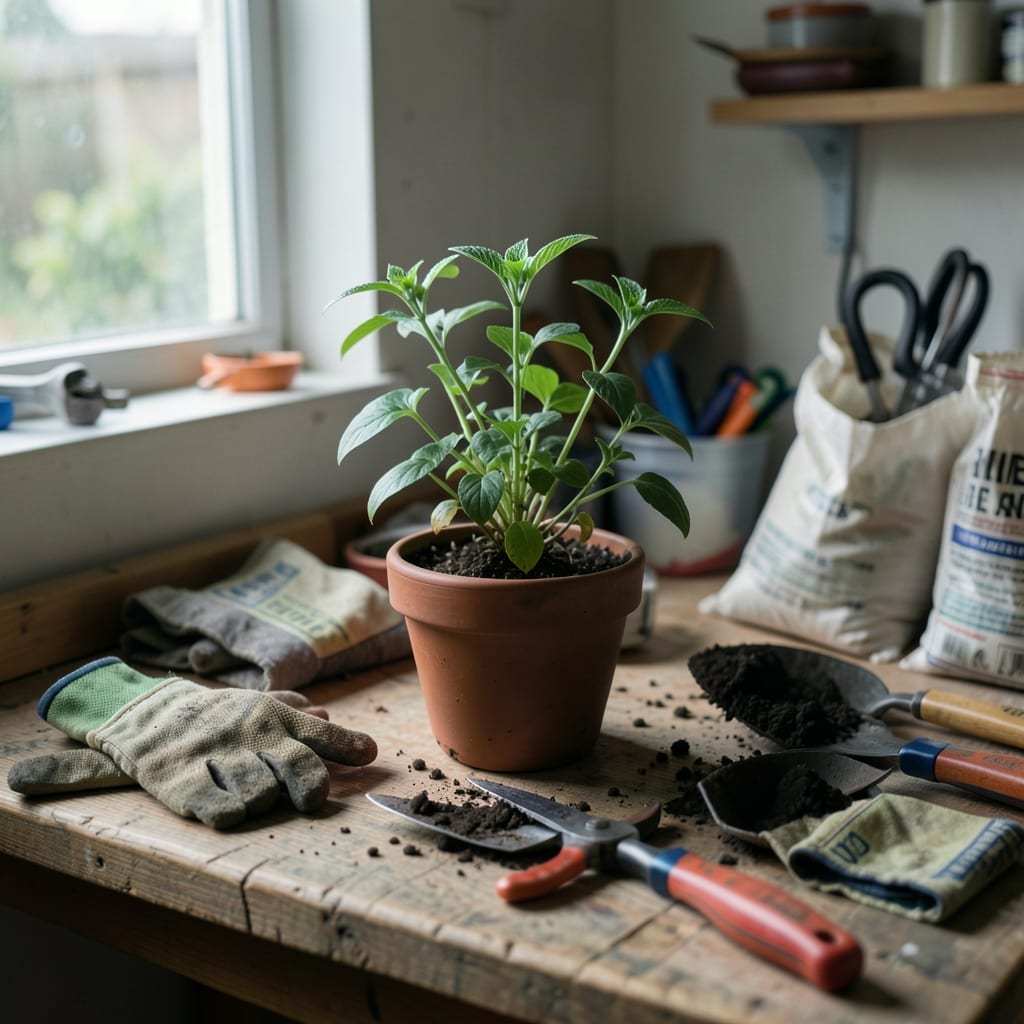
Why this site exists
You’ve got a patch of earth, a bag of seeds, and no idea if either will ever do anything but sit there.
The instructions you’ve found so far are either too vague or too rigid—either ‘plant in full sun’ or ‘follow this exact schedule, or it’s doomed.’ Neither helps when you’re staring at a wilting seedling and wondering if you’ve already ruined it.
This site cuts through the guesswork. It tells you what actually works in a real garden—not what *should* work in a textbook. Mistakes are part of the process, but they don’t have to be fatal.
Here, you’ll find the hard-won lessons: which tomatoes thrive in partial shade, how to revive a root-bound plant, why your soil might be killing more than it’s feeding. No fluff, no dogma. Just the answers that save your plants—and your patience.
Who writes this site
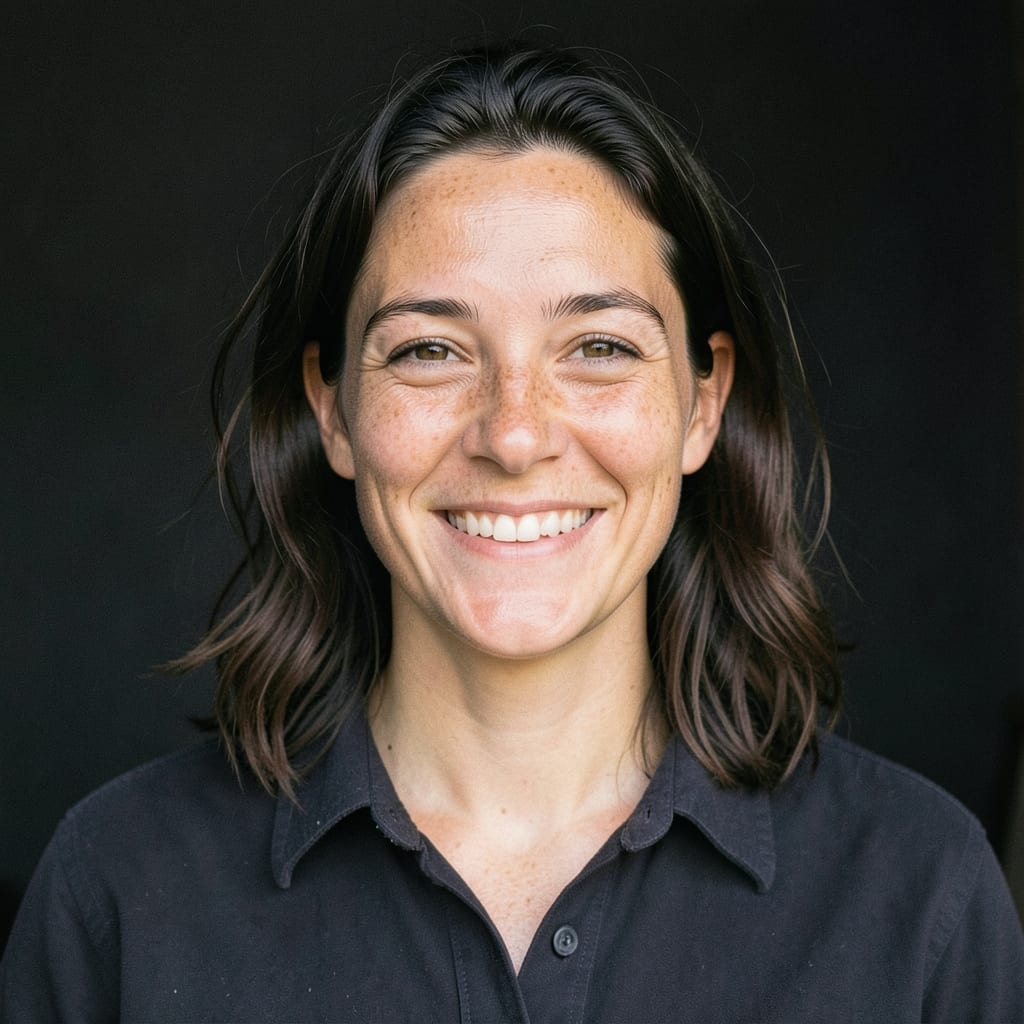
Meet Camille Sizemore, the person who writes this site.
Do you test everything here before writing about it?
Yes—and no. I’ve grown everything I write about, but some lessons come from other gardeners’ failures. If I haven’t tried it myself, I’ll say so. The exceptions are the things that *should* work but don’t, like ‘plant marigolds to deter pests’—turns out, deer love them anyway.
What’s the biggest mistake you’ve made in a garden?
Assuming my soil was ‘good enough.’ I once spent a summer coaxing peppers to grow, only to realize the pH was so off they were basically starving. Now I test before I plant. The hard way.
Why isn’t specific topic covered here?
Either I haven’t grown it yet, or it’s a trend that hasn’t held up in my patch. If you’re asking about hydroponics in a basement, I’ll tell you why it’s not for beginners. If you’re asking about heirloom beans, I’ll tell you which varieties actually thrive in Zone 6.
Camille keeps a small notebook in her gardening apron. Every dead plant gets a one-word diagnosis scribbled next to it—‘root rot,’ ‘deer,’ ‘me.’ The apron is always tied backward, and she swears by the ‘five-finger rule’ for weeding: if it’s taller than your hand, it’s already won.
How a gardening tip is built
It starts with a seed packet, a half-empty bag of compost, and a question no one else has bothered to answer. Maybe it’s ‘Why does my zucchini flower but never fruit?’ or ‘How do I stop slugs without poison?’ The answer isn’t in the seed catalog or the local nursery.
It’s in the dirt, the weather, and the one thing that grew where everything else failed.
The first season
Plant everything. Watch it grow—or not.
Take notes, even if they’re just ‘don’t do that again.’ The first year is about learning which plants like your soil, which hate your shade, and which pests ignore your ‘natural’ deterrents. (Spoiler: Most do.) By the end, you’ll have a list of what *almost* worked—and that’s the real start.
The fixes that follow
Year two is where the soil tests come in, the trellises get built, and you finally admit that ‘full sun’ means six hours, not three. You’ll amend the compost, rotate the crops, and maybe even stop watering at dusk. The goal isn’t perfection.
It’s a garden that doesn’t make you want to scream every time you walk out the door.
What we will not do
This site won’t tell you to buy expensive tools you don’t need, follow a schedule that ignores your climate, or pretend that gardening is a competition. No ‘best of’ lists, no ‘top 10’ shortcuts, and definitely no ‘miracle’ seeds that sound too good to be true. (They are.)
Things you will never find here
- Guaranteed ‘foolproof’ methods that work for exactly one person.
- Recommendations for tools or products we haven’t tested ourselves.
- Step-by-step guides that assume you have perfect conditions.
- Advice that treats gardening like a hobby for people who don’t have to feed themselves.
Where to start
If you’re new, begin with the ‘Troubleshooting’ section—it’s where most gardens go wrong. If you’re stuck on soil, start there. If your plants keep dying, start there. The ‘Seasonal Guides’ tell you what to do now, not what you *should* have done in March.
And if you still can’t find what you need, ask: the contact page is for questions that don’t fit anywhere else.
Say hello
I like hearing about the plants that surprised you, the pests you outsmarted, or the ones that got the better of you. (We’ve all been there.) If you’ve got a garden story—good, bad, or ‘why did I think this would work?’—the contact page is where to share it.
No sales pitches, no ‘tips’ you didn’t ask for. Just two gardeners talking.
The guides are grouped by category: Companion Plants, Flowers, How To, Lawn, Light Requirements and Orchid Care.