
Size
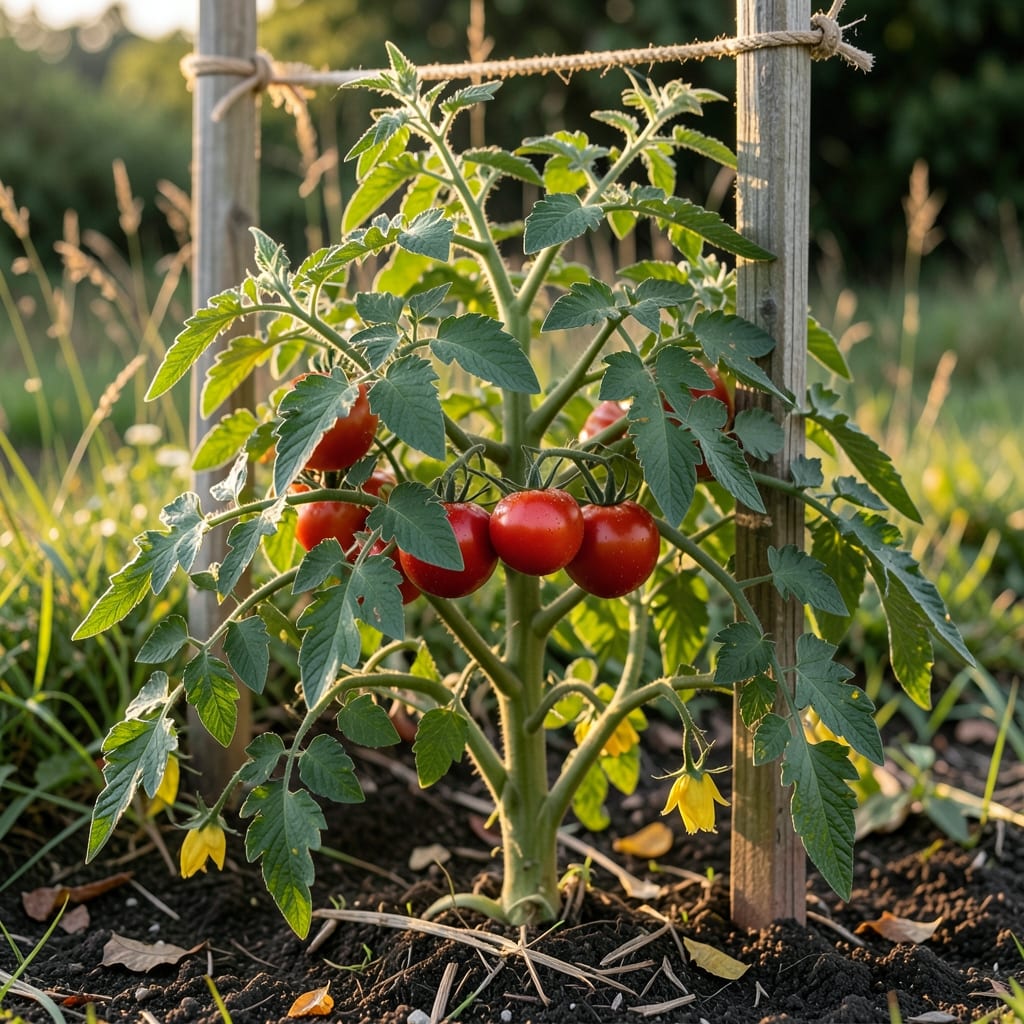
If you're planning to grow beefsteak tomato plants this spring, you might be wondering just how tall these 🍅 giants can get. The answer depends on the variety, but many beefsteak tomatoes reach heights between 4 and 6 feet—sometimes even taller—making proper support a must for maximizing your harvest.
These towering plants are known for their massive fruit, but without the right care, their height can become a challenge. Whether you're working with a determinate variety that stays compact or an indeterminate type that keeps growing, understanding their mature size helps you plan your garden layout and support systems.
In this guide, I’ll break down the exact height ranges for popular beefsteak varieties and share pro tips for controlling growth. From staking to pruning, you’ll learn how to keep your plants healthy while enjoying those restaurant-quality tomatoes you’ve been dreaming of.
Ready to transform your garden into a beefsteak tomato powerhouse? Let’s dive into the details so you can grow like a pro—no matter how tall your plants get!


Beefsteak tomato plant heights by variety: from compact to towering giants
Beefsteak tomatoes are famous for their massive fruit size and vibrant flavors, but their height potential often surprises new gardeners. Most varieties grow between 4 to 6 feet tall, with some indeterminate types reaching even higher if left unchecked. Understanding these differences is key to planning your garden layout and choosing the right support system.
Height isn't the only factor—growth habits matter too. Indeterminate beefsteaks grow continuously until frost, while determinate varieties stop growing after flowering. This distinction affects both space needs and harvest timing. Let's break down the specifics so you can pick the perfect variety for your garden's vertical real estate.
🌱 Pro Tip: Always check seed packets or plant tags for height ranges, as some heirloom varieties like Brandywine can exceed 6 feet without proper training.
🌿 Beefsteak Tomato Height Comparison
| Variety | Growth Type | Mature Height | Fruit Weight | Notes |
|---|---|---|---|---|
| Brandywine | Indeterminate | 5-8 ft | 12-16 oz | Classic heirloom; needs strong support |
| Cherokee Purple | Indeterminate | 4-6 ft | 8-12 oz | Disease-resistant; rich purple color |
| Big Beef | Indeterminate | 6-8 ft | 10-14 oz | Hybrid; crack-resistant fruit |
| Arkansas Traveler | Determinate | 3-4 ft | 8-12 oz | Compact; great for containers |
| San Marzano | Indeterminate | 6-10 ft | 6-10 oz | Classic paste tomato; tall but sturdy |
If you're working with limited vertical space, determinate varieties like Arkansas Traveler are excellent choices. These bushier types typically max out around 3 to 4 feet, making them perfect for container gardening or small backyard plots. However, they'll produce fruit all at once rather than continuously like their indeterminate cousins.
For maximum height control, consider pruning techniques like suckering (removing side shoots) or topping (cutting the main stem). These methods can reduce height by 20-30% while actually increasing fruit size by redirecting energy. Just be sure to prune in the morning to allow wounds to heal before evening moisture sets in.
Climate plays a surprising role in height too. Cooler climates often produce taller, leggier plants as they stretch toward sunlight, while hotter regions may see more compact growth. If you're in a Zone 9 or 10, expect your beefsteaks to grow 1-2 feet taller than the same variety in Zone 5.
Remember that support systems aren't just for aesthetics—they're essential for preventing stem breakage under the weight of those pound-plus tomatoes. A 6-foot plant with 12-ounce fruit needs proper bracing to avoid collapsing mid-season. We'll cover the best support options in the next section, but for now, measure your garden space and choose varieties that match your vertical reality.
🌿 Quick Height Check: Hold a yardstick next to your plant monthly to track growth. Most beefsteaks add 1-2 feet per month during peak growing season.
Support systems for beefsteak tomatoes: cages, trellises, and staking methods
Now that you know how tall your beefsteak tomatoes can grow, let’s talk about the essential support systems needed to keep them standing strong. Without proper support, a 6-foot plant laden with 12-ounce tomatoes will quickly topple over, risking broken stems and lost fruit. The right structure not only prevents collapse but also improves air circulation, reducing disease risk and boosting yield.
Your support choice depends on your variety type, garden space, and personal preference. Indeterminate varieties like Brandywine or Big Beef need tall, sturdy supports (6+ feet), while determinate types like Arkansas Traveler can thrive in shorter cages (3-4 feet). Let’s explore the best options to keep your beefsteaks thriving.
🌱 Pro Tip: Install supports at planting time—waiting until the plant is established makes it harder to insert stakes or cages without damaging roots.
🌿 Beefsteak Tomato Support Comparison
| Support Type | Best For | Height Range | Pros | Cons |
|---|---|---|---|---|
| Trellis | Indeterminate varieties | 6-10 ft | Max air flow, easy pruning | Requires training, DIY effort |
| Cage | Determinate or small indeterminate | 3-6 ft | Low maintenance, contains vines | Limits air flow, harder to prune |
| Stakes | Single-stemmed plants | 4-8 ft | Simple, space-efficient | Needs tying, less stable for heavy fruit |
| Floppy Growth | Container gardening | 2-4 ft | No support needed, compact | Lower yield, higher disease risk |
For indeterminate varieties, a trellis or tall cage is ideal. I recommend using wooden or metal trellises for durability, especially in windy areas. If you’re growing Brandywine or Big Beef, a DIY trellis made from bamboo stakes and twine works wonders. Simply drive stakes 18 inches deep and weave twine horizontally every 12 inches to create a ladder for vines to climb.
If you prefer low-maintenance options, tomato cages are a great choice for determinate varieties or smaller indeterminate types. Look for cages made of galvanized wire with at least 5 feet of height and 18-inch diameter to accommodate sprawling vines. For extra stability, sink the cage 6 inches into the ground and secure it with stakes if needed.
For container growers, floppy growth (letting vines trail) is an option, but it’s not ideal for beefsteaks. The heavy fruit can pull the plant over, and poor air circulation increases disease risk. If you must grow in containers, use a small cage or single stake and prune aggressively to control height.
🌿 Support Hack: Use soft plant ties (like old T-shirts or rubber bands) instead of wire when tying vines to supports. Wire can gouge stems and restrict growth over time.