
Size
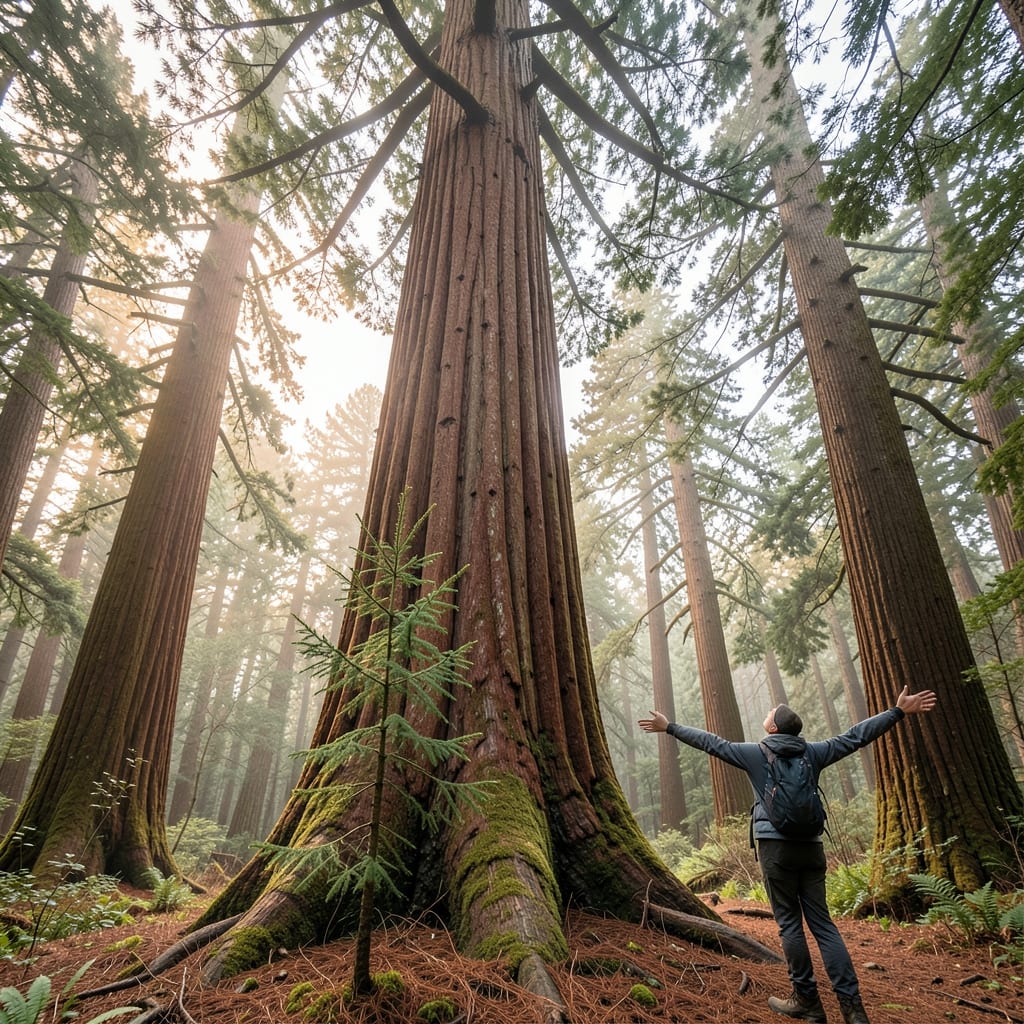
Imagine standing next to a tree so towering that its crown disappears into the clouds—this is the breathtaking reality of how tall can redwood trees grow. These coastal giants, like the legendary 🌲 Hyperion, reach heights of 380 feet, making them the tallest living things on Earth. What makes them grow so massive? It’s a mix of their perfect coastal habitat, deep root systems, and slow-but-steady growth over centuries.
If you’ve ever dreamed of planting one of these living skyscrapers, you’re not alone—but there’s a catch. Redwoods need space, moisture, and patience to reach their full potential. Native to coastal California, Oregon, and Washington, they thrive in USDA Zones 6b-9b, where foggy air and mild winters fuel their growth. But even in ideal conditions, it takes 1,000+ years to reach their towering heights.
For gardeners or landowners, cultivating a redwood is a long-term commitment. These trees aren’t just stunning—they’re architectural wonders that transform landscapes. Whether you’re curious about their growth habits or planning to add one to your property, understanding their needs is the first step. Let’s explore what it takes for these giants to stretch toward the sky.
From their record-breaking heights to the secrets behind their longevity, redwoods offer a masterclass in nature’s engineering. Whether you’re a plant enthusiast or simply fascinated by the world’s tallest trees, there’s so much to discover about these coastal legends. Ready to learn how they defy gravity—and what it takes to grow one?


The record-breaking height of coast redwoods: tallest trees on Earth
When you gaze up at a coast redwood (Sequoia sempervirens), you’re looking at the tallest living organism on Earth. The current record-holder, Hyperion, stands an astonishing 380 feet—taller than a 30-story building. But how do these giants defy gravity? Their success comes from a combination of biological adaptations, ideal growing conditions, and slow, steady growth over centuries.
Redwoods achieve such heights thanks to their deep root systems and efficient vascular systems. Their roots spread up to 100 feet wide, anchoring them while accessing water deep underground. Meanwhile, their thick, fire-resistant bark protects them from wildfires, a common threat in their native habitat. These features allow them to outcompete other trees for sunlight and resources.
🌲
| Statistic | Details |
|---|---|
| Tallest Known Redwood | Hyperion at 380 feet |
| Average Mature Height | 200-300 feet |
| Annual Growth Rate | 1-2 feet per year (young trees) |
| Root Spread | Up to 100 feet wide |
| Time to Reach Maturity | 1,000+ years |
Compared to other giant trees, redwoods outshine even the giant sequoias (Sequoiadendron giganteum), which are wider but not as tall. While giant sequoias can reach 275 feet, redwoods dominate in height. Even the eucalyptus trees of Australia, which can grow up to 300 feet, fall short of the redwood’s record. This height advantage is partly due to redwoods’ ability to grow continuously without forming a true trunk—unlike many other trees.
Another key factor is their fog drip adaptation. In coastal California, fog provides a significant portion of their water needs, allowing them to thrive in areas with low rainfall. This moisture, combined with mild winters and cool summers, creates the perfect environment for their towering growth.
For gardeners dreaming of planting a redwood, it’s important to note that these trees require ample space and consistent care. In their native habitat, they grow in dense forests with minimal competition, but in a backyard or urban setting, they need at least 50 feet of clearance to reach their full potential. Without these conditions, their growth will be stunted, and they may never reach the heights of their wild counterparts.
🌳
The biological mechanisms behind redwood growth are fascinating. Their vascular system is highly efficient, allowing water and nutrients to travel from roots to crown with minimal resistance. Additionally, their needle-like leaves reduce water loss, while their thick bark protects them from fire and pests. These adaptations work together to create a tree that can dominate its environment and grow taller than almost any other species.
If you’re considering planting a redwood, remember that it’s a long-term investment. While they grow at a steady pace of about 1-2 feet per year when young, it takes centuries to reach their full height. But for those willing to commit, the reward is a living monument that will stand for generations.
💧
Understanding the science behind redwood growth also highlights why they’re so rare outside their native range. Their specific climate and soil requirements make it challenging to cultivate them elsewhere. However, with the right conditions—acidic, well-drained soil, high humidity, and protection from extreme temperatures—you can give your redwood the best chance to grow tall and proud.
Optimal growing conditions: why redwoods thrive in coastal California
Redwoods aren’t just tall—they’re perfectionists when it comes to their environment. Their native habitat along coastal California, Oregon, and Washington provides the ideal mix of foggy air, mild winters, and nutrient-rich soil. These conditions create a growth paradise where redwoods can stretch toward the sky with minimal stress. Without these factors, even the hardiest redwood seedlings struggle to reach their full potential.
Their love for coastal fog is legendary. Fog drip—water condensing on leaves and dripping to the roots—provides an extra 10-20 inches of moisture per year. This natural irrigation system explains why redwoods thrive in areas with only 20-40 inches of annual rainfall, far less than most trees require. In non-coastal regions, replicating this foggy microclimate is nearly impossible, but we’ll explore workarounds later.
| Factor | Coastal Redwood Habitat | Non-Coastal Adaptation |
|---|---|---|
| Climate | Mild winters (30-50°F), cool summers (50-75°F) | Zone 6b-9b; avoid extreme heat/cold |
| Moisture Source | Fog drip (10-20" annual) | Deep weekly watering + mulch |
| Soil Type | Acidic (pH 5.5-7.0), well-drained | Amend with peat moss/compost |
| Sunlight | Full sun with coastal fog | 6+ hours direct sun; protect from afternoon heat |
| Wind Exposure | Moderate coastal winds | Shelter young trees from strong winds |
Their root systems are another secret weapon. Redwoods develop shallow, wide-spreading roots that maximize water absorption from the topsoil. This adaptation explains why they thrive in thin, rocky soils where deeper-rooted trees would fail. When planting redwoods in non-native regions, focus on well-draining soil with organic matter—avoid heavy clay, which can suffocate their roots.
Temperature plays a critical role too. Redwoods hate freezing temperatures below 15°F or prolonged heat above 85°F. In inland areas, young redwoods need winter protection like burlap wraps or microclimates near buildings. Their native foggy coastal homes keep temperatures stable year-round, a luxury most gardeners can’t replicate—but with the right site selection, you can come close.
For those outside coastal zones, the key is mimicking fog drip. Install a mist irrigation system or group redwoods with other moisture-loving plants to create a humid microclimate. Pair them with rhododendrons or ferns, which share similar water needs. Just remember: redwoods are not drought-tolerant. Even in their native habitat, they rely on consistent moisture to fuel their vertical growth.
If you’re dreaming of growing a redwood, start small. Young trees need 10-20 gallons of water weekly during their first few years. As they mature, their roots will spread to access deeper water—but until then, your hose (or irrigation system) becomes their lifeline. The payoff? A living monument that could one day rival the 380-foot Hyperion—if given the right conditions.