
How To
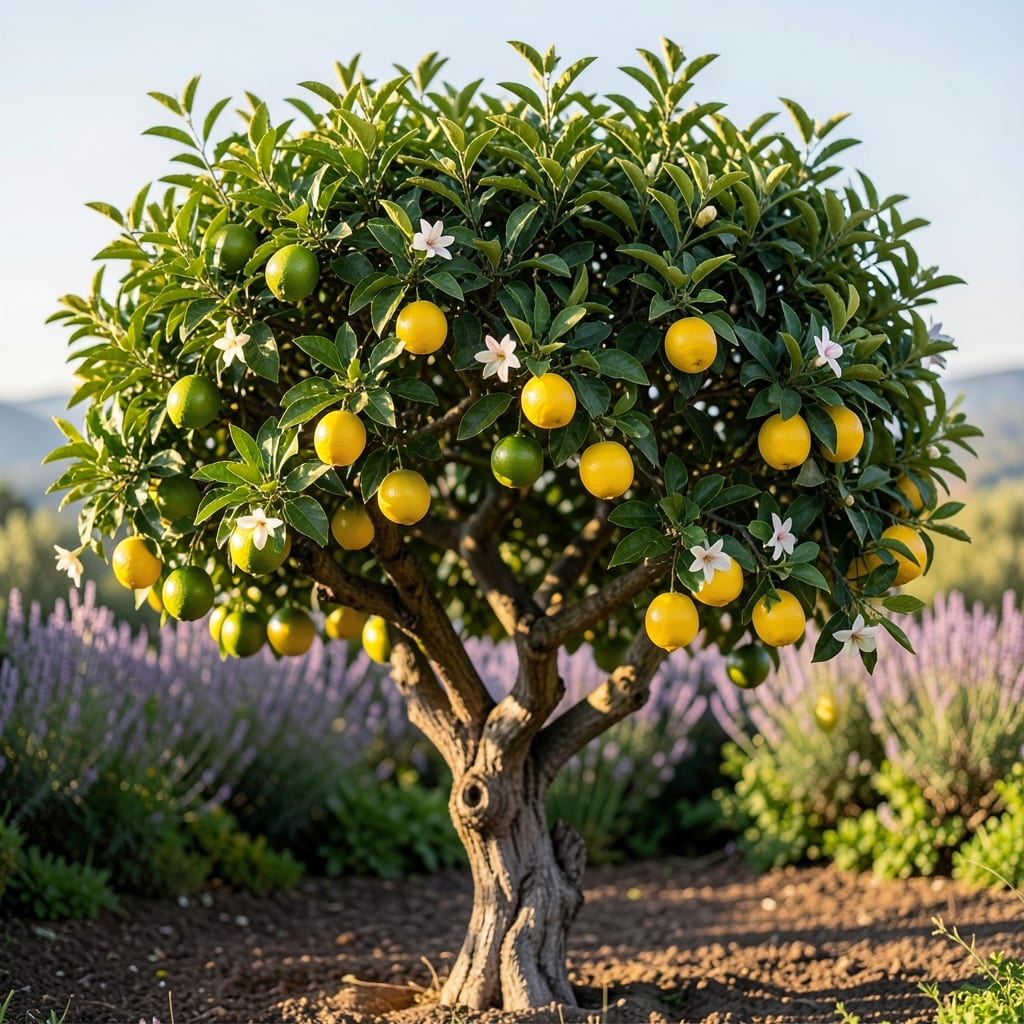
Wondering how tall can a lemon tree grow before it turns your backyard into a jungle? The answer isn’t just about the variety—it’s about where you live, how you prune, and even the pot you choose. A standard lemon tree can reach 20-30 feet, towering like a small oak, while dwarf varieties stay under 8 feet, perfect for containers or small spaces.
If you’re dreaming of fresh lemons but worried about space, don’t stress. With the right care, you can keep your 🍋 tree at just the right height—whether you want a tabletop-sized plant or a backyard staple. I’ll break down the differences between dwarf and standard varieties, so you can pick the perfect fit for your garden or patio.
Climate plays a huge role too. In warmer zones like USDA 10-11, lemon trees grow faster and taller, while colder areas (like Zone 6a) need cold-hardy types that stay shorter. Plus, pruning isn’t just about aesthetics—it’s the secret weapon for controlling height and boosting fruit production.
Ready to grow the perfect lemon tree? Let’s dive into the heights, tips, and tricks to keep your tree at your ideal size—no matter where you live or how much space you have.


Lemon tree mature heights by variety: dwarf to standard sizes explained
If you’ve ever wondered, "how tall can a lemon tree grow?" the answer starts with the variety you choose. Lemon trees aren’t one-size-fits-all—some stay small enough for a sunny windowsill, while others grow tall enough to shade your entire patio. The key is knowing the mature height ranges for popular varieties so you can pick the perfect fit for your space.
For example, the Meyer lemon tree, a favorite for its sweet fruit and cold tolerance, typically reaches 8-12 feet at maturity. Meanwhile, the Eureka lemon, a classic for juicing, can soar to 15-20 feet if left unpruned. Even within dwarf varieties, sizes vary—some stay under 6 feet, while others max out at 10 feet. Let’s break down the most common types and what to expect from each.
| Variety | Mature Height (ft) | Growth Rate (ft/year) | Best For |
|---|---|---|---|
| Meyer Lemon | 8-12 | 1-2 | Containers, cold climates |
| Improved Meyer | 6-10 | 1-1.5 | Pots, small yards |
| Eureka Lemon | 15-20 | 2-3 | Backyards, full sun |
| Lisbon Lemon | 12-18 | 1.5-2.5 | Large containers, warm climates |
| Ponderosa Lemon | 20-30 | 3-4 | Orchards, spacious gardens |
| Dwarf Varieties (e.g., 'Four Seasons') | 5-8 | 0.5-1 | Balconies, patios |
The Meyer lemon and its cold-hardy cousin, the Improved Meyer, are my top picks for small spaces. Their 8-12 foot height makes them perfect for large containers or even indoor growing near a sunny window. If you’re in USDA Zone 8 or colder, these varieties are your best bet—they can handle light frosts and still produce fruit reliably.
For those with more room, the Eureka lemon is a juicing powerhouse but needs space to grow. Without pruning, it can easily hit 15-20 feet, so plan accordingly if you’re planting in your yard. The Ponderosa lemon, with its massive 20-30 foot height and giant fruit, is better suited for orchards or very large properties. If you’re growing for show or commercial purposes, this variety is a statement piece!
Dwarf varieties like 'Four Seasons' are game-changers for urban gardeners. They stay under 8 feet and produce fruit year-round in frost-free zones. These are ideal for balconies, rooftop gardens, or even as a centerpiece in a sunny living room. Just remember: even dwarf trees need full sun and regular pruning to stay compact and healthy.
Choosing the right variety isn’t just about height—it’s also about your climate and how much fruit you want. For example, Eureka lemons produce more fruit per tree but need more space, while Meyer lemons are smaller but sweeter and more cold-tolerant. If you’re unsure, start with a dwarf variety in a pot. You can always transplant it to the ground later if it outgrows its container.
Pro tip: Always check the rootstock of your lemon tree. Trees grafted onto dwarfing rootstock (like Citrange or Swingle citrumelo) will stay smaller, even if the scion variety is naturally tall. This is how nurseries create container-friendly lemon trees that still produce full-sized fruit.
Ready to pick your perfect lemon tree? Measure your space, check your USDA zone, and decide whether you want a compact container plant or a backyard giant. With the right variety, you’ll have fresh lemons in no time—no matter how tall (or short) you want your tree to grow!
How climate zones affect lemon tree height: USDA zones 8-11 guide
Your USDA climate zone is one of the biggest factors in determining how tall your lemon tree will grow. In warmer zones (10-11), lemon trees thrive year-round and can reach their full 20-30 foot height with minimal pruning. But in cooler zones (8-9), cold-sensitive varieties struggle, forcing growers to choose dwarf types or use protective measures to keep trees shorter and healthier.
For example, a standard Eureka lemon tree in Zone 11 might grow 25 feet tall without intervention, while the same variety in Zone 8 could barely survive winter unless heavily pruned back each year. The Improved Meyer lemon, however, handles Zone 8-9 better and stays between 8-12 feet with proper care.
Humidity also plays a role—high-humidity zones (like Florida) can lead to faster, taller growth, while dry climates (like Southern California) may slow growth but produce denser wood. Understanding these factors helps you choose the right variety and plan for pruning before your tree outgrows its space.
| Climate Zone | Lemon Variety | Mature Height | Growth Notes |
|---|---|---|---|
| USDA 8-9 | Improved Meyer | 8-12 ft | Cold-hardy; needs winter protection |
| USDA 10-11 | Eureka | 20-25 ft | Fast-growing; minimal pruning needed |
| USDA 9-10 | Lisbon | 15-20 ft | Moderate height; thrives in warm winters |
| USDA 8-9 (Container) | Ponderosa (Dwarf) | 6-8 ft | Best for pots; needs winter indoors |
In Zone 8-9, frost is the biggest height limiter. A fully grown lemon tree exposed to frost can suffer branch dieback, forcing it to regrow from lower buds and stay shorter. That’s why many growers in these zones plant dwarf varieties or use container growing to move trees indoors during winter.
If you live in Zone 10-11, you’re in luck—your lemon tree can grow unrestricted if given space. But even here, pruning for shape (not just height) improves airflow and fruit production. For example, the Villafranca lemon in Florida can reach 20 feet but benefits from annual pruning to keep it manageable.
Pro tip: If you’re in a borderline zone (like Zone 9acold-hardy rootstocks like Swingle citrumelo to help your tree survive winters and stay within your desired height. With the right variety and care, you can enjoy lemons year-round—no matter your zone! 🌱