
Trees
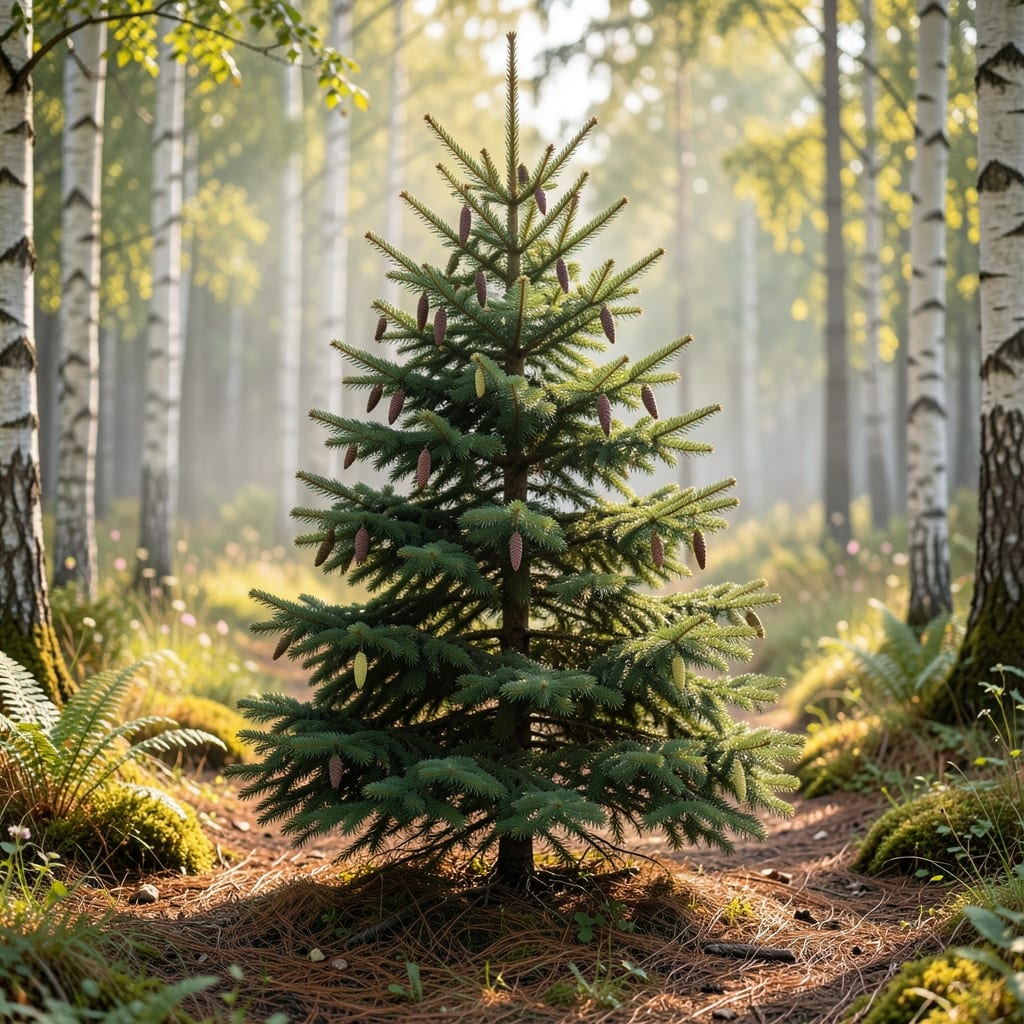
If you're wondering how tall do balsam fir trees grow, you're not alone—this evergreen giant can reach heights that will make your landscape feel like a forest retreat. The 🌲 Balsam Fir (Abies balsamea) typically matures between 40 to 60 feet, towering over most homes and creating a stunning vertical presence in your yard.
But here's the thing: their growth rate and final height depend heavily on where you live. In cooler climates like USDA Zone 6a, these trees thrive naturally, while warmer regions might need extra care to help them reach their full potential. Whether you're planting one as a statement piece or for its classic Christmas tree scent, understanding these factors is key.
What's even more interesting is how quickly they grow—especially in their first few years. With the right soil, sunlight, and a little pruning know-how, you can guide their height and shape to fit your space perfectly. From dwarf varieties to full-sized trees, there's a Balsam Fir for every landscape dream.
Ready to transform your outdoor space? I'll walk you through everything you need to know to grow a healthy, thriving Balsam Fir that fits your vision—whether you want a towering centerpiece or a more manageable ornamental tree.

Balsam fir tree height by mature variety: expected growth ranges
The balsam fir (Abies balsamea) is known for its impressive height, but not all varieties reach the same towering heights. Standard balsam firs typically grow between 40 to 60 feet at maturity, creating a stunning vertical presence in your landscape. However, if you're working with limited space, dwarf and semi-dwarf varieties offer more manageable options while still delivering that classic evergreen charm.
Choosing the right variety isn't just about height—it's also about how quickly the tree grows and how well it adapts to your climate. For example, a standard balsam fir might grow 1 to 2 feet per year in ideal conditions, while dwarf varieties grow much slower, making them perfect for smaller gardens or container planting. Let’s break down the height expectations for each variety so you can pick the perfect fit for your space.
🌲
| Variety | Mature Height | Growth Rate | Ideal Spacing | Best For |
|---|---|---|---|---|
| Standard Balsam Fir | 40–60 ft | 1–2 ft/year | 20–25 ft apart | Large landscapes, privacy screens |
| Dwarf Balsam Fir | 10–15 ft | 6–12 inches/year | 8–10 ft apart | Small gardens, containers, foundation planting |
| Semi-Dwarf Balsam Fir | 20–30 ft | 12–18 inches/year | 12–15 ft apart | Medium-sized yards, hedges |
| Weeping Balsam Fir | 15–25 ft | 8–12 inches/year | 10–12 ft apart | Ornamental features, small woodlands |
| Columnar Balsam Fir | 30–40 ft | 1–1.5 ft/year | 15–20 ft apart | Narrow spaces, vertical accents |
When planning your landscape, consider the mature height of your chosen variety. A standard balsam fir will dominate your yard, while a dwarf variety can add elegance to a small garden or even thrive in a large container. For example, if you're planting near a house or driveway, a dwarf or semi-dwarf variety will avoid overcrowding and reduce maintenance needs like pruning for height control.
Another key factor is the growth rate. Faster-growing varieties like the standard balsam fir will fill out your space quickly, while slower-growing dwarf varieties offer more control over their size. If you're planting multiple trees, spacing them correctly is crucial. For instance, standard balsam firs need 20 to 25 feet of space between them to avoid competition for nutrients and sunlight, which can stunt their growth.
🌿
If you're growing balsam firs for their Christmas tree potential, aim for a height of 6 to 8 feet at harvest. This is where dwarf or semi-dwarf varieties shine—they reach this height in just a few years, making them ideal for small-scale commercial growers or home gardeners who want to cut their own trees. Meanwhile, full-sized trees are better suited for long-term landscaping or as a focal point in a large property.
One of my favorite tips for managing height is to plant balsam firs in groups of three or five. This creates a natural, wooded look while allowing each tree enough space to grow to its full potential. For example, three semi-dwarf balsam firs planted in a triangular formation can create a stunning evergreen grove without overwhelming your yard.
Finally, don’t forget to consider the canopy spread of your chosen variety. While height is the most obvious concern, the width of the tree also plays a role in how it fits into your landscape. Standard balsam firs can spread 15 to 20 feet wide, while dwarf varieties stay much narrower, making them perfect for tight spaces or as accent plants.
✂️
Climate zones and balsam fir growth: how location affects height
The height of balsam fir trees isn't just about genetics—your climate zone plays a huge role in how tall they'll grow. These evergreens thrive in cooler regions, where they can reach their full 40-60 foot potential, but in warmer areas, their growth may slow or even stall without proper care. Let's break down how USDA hardiness zones impact their height and what you can expect in different parts of the country.
In USDA Zones 3-5, balsam firs grow most vigorously, often reaching their maximum height of 60 feet with minimal stress. These zones mimic their native northern forests, where they naturally flourish. Meanwhile, in Zone 6, you'll still see impressive growth, though slightly slower—expect 40-50 feet at maturity. The key difference is how quickly they grow in their early years.
Here's how your location affects growth:
| Climate Zone | Mature Height | Growth Rate (First 10 Years) | Special Considerations |
|---|---|---|---|
| Zones 3-4 | 50-60 ft | 3-5 ft/year | Cold-hardy; minimal winter care |
| Zone 5 | 45-55 ft | 2-4 ft/year | Watch for heat stress in summer |
| Zone 6 | 40-50 ft | 1.5-3 ft/year | Needs afternoon shade in hot climates |
| Zones 7-8 (with care) | 20-35 ft | 0.5-1.5 ft/year | Requires consistent moisture and pruning |
If you're in USDA Zones 7-8, don't assume these trees won't work for you—they absolutely can, but their growth will be slower, and you'll need to take extra steps to help them thrive. I recommend planting them in partial shade and keeping the soil consistently moist. In these warmer zones, you might see heights of 20-35 feet at maturity, which still makes for a stunning focal point in your landscape.
One surprising factor is how elevation within a zone can affect growth. At higher elevations, even in Zone 6, balsam firs may grow taller because the cooler temperatures mimic their native habitat. Conversely, in lowland areas of the same zone, growth might be slightly stunted. Always consider both your zone and local microclimate when planning where to plant.
For those in Zone 6 and below, the good news is that these trees grow relatively quickly in their early years. In their first decade, you can expect 3-5 feet of growth annually, which means you'll see dramatic changes year to year. This rapid growth makes them ideal for creating quick privacy screens or adding instant height to your landscape.
Regardless of your zone, remember that proper care can make a big difference. Even in less ideal climates, with the right soil, watering, and pruning, you can help your balsam fir reach closer to its full height potential. The key is to mimic its natural growing conditions as much as possible—cool roots and gentle sunlight are your best friends. 🌲