
How To
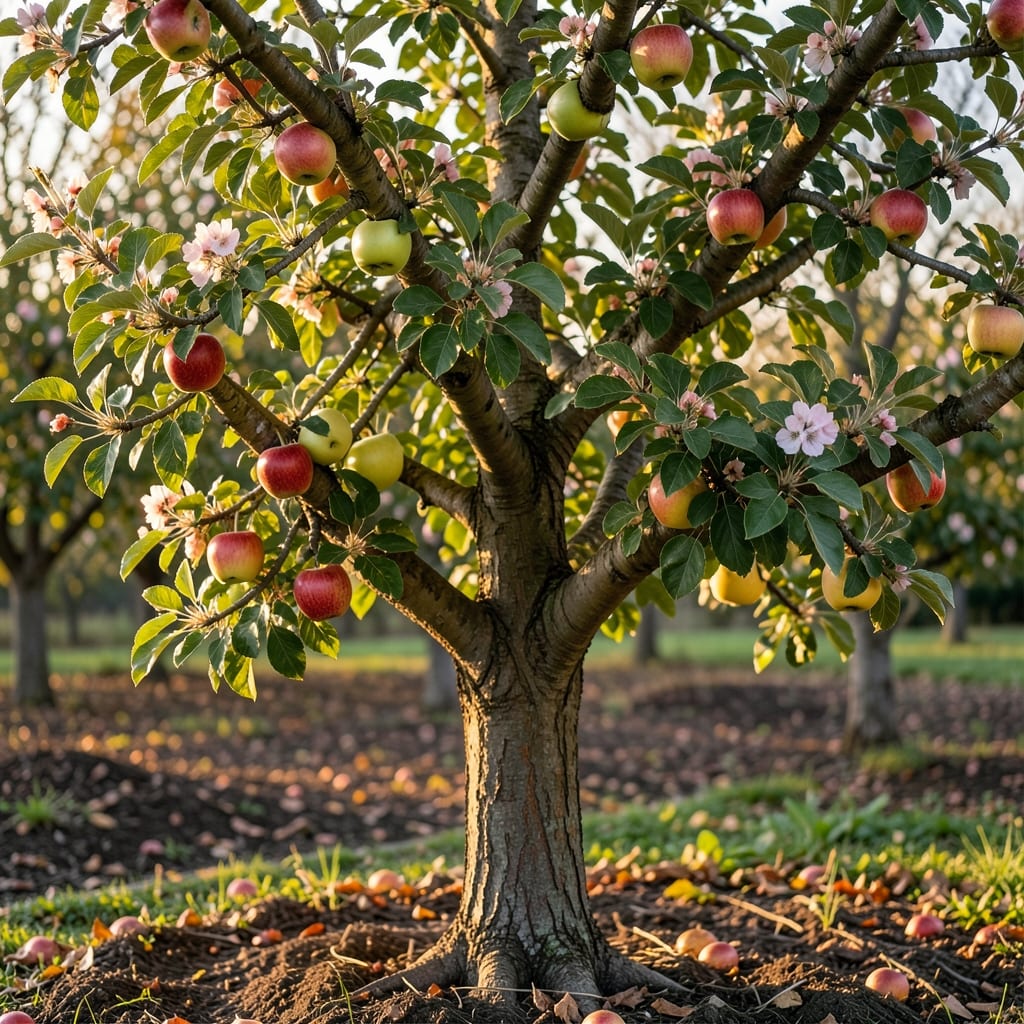
If you’ve ever dreamed of picking fresh apples straight from your backyard, you’re probably wondering how tall an apple tree can grow—because let’s face it, a 30-foot tree might not fit your suburban yard! The truth is, apple trees come in all shapes and sizes, from compact dwarf varieties perfect for containers to towering standard trees that need plenty of space.
What you might not realize is that the height of your 🍎 apple tree depends on more than just its variety—climate, pruning habits, and even your USDA zone play a huge role. In Zone 6a, where many gardeners plant in spring, you could end up with a tree that’s either a manageable 8 feet or a sprawling 25 feet, depending on the choices you make.
Here’s the good news: with the right knowledge, you can control your tree’s growth naturally—no chemicals required. Whether you’re working with a dwarf apple tree for a small garden or a standard variety for a larger plot, I’ll show you exactly how to keep it at the perfect height for your space.
Ready to turn your backyard into an orchard? Let’s break down the heights, varieties, and tips you need to grow the perfect apple tree—no matter how much (or little) room you’ve got.


Apple tree height by variety: dwarf to standard sizes explained
When you’re choosing an apple tree, the first question on your mind is probably how tall it can grow. The answer depends entirely on the variety you pick—some stay as short as 6 feet, while others reach 30 feet or taller. Understanding these differences helps you plan your orchard or container garden with confidence.
Apple trees are typically categorized into four main size groups: dwarf, semi-dwarf, standard, and columnar. Each has unique space requirements and growth habits. For example, a dwarf apple tree like ‘Columnar Honeycrisp’ stays under 8 feet, making it perfect for small yards or even large pots. Meanwhile, a standard variety like ‘Granny Smith’ can soar to 25 feet, needing plenty of room to spread.
Here’s the key takeaway: dwarf varieties are bred to stay compact, while standard trees grow naturally tall. Semi-dwarf trees fall in between, offering a balance of manageable size and productivity. Columnar trees are a special case—they grow tall and narrow, reaching 12-16 feet but with a trunk width of just 6-12 inches, making them ideal for tight spaces.
Let’s dive into the specifics. Below, you’ll see a comparison of popular apple tree varieties and their mature heights. This will help you visualize which type fits your space—and your dream harvest!
Now that you’ve seen the height ranges, you might be wondering how these trees grow over time. A dwarf apple tree planted in spring will reach 2-4 feet in its first year, while a standard tree will grow 6-8 feet in the same time. By year three, dwarf varieties typically hit 6-8 feet, while standard trees can already be 15 feet tall—so plan accordingly!
One common mistake I see is assuming all apple trees need a lot of space. In reality, columnar varieties are perfect for urban gardeners with limited room. They produce abundant fruit without taking up much width, making them a game-changer for small spaces. If you’re in Zone 6a, like many gardeners, you’ll find that dwarf and semi-dwarf varieties thrive with proper care and pruning.
For those with larger properties, standard apple trees offer the classic orchard experience—but remember, they’ll need regular pruning to manage their height and shape. Without pruning, a standard apple tree can easily exceed 30 feet, which might not be ideal for your landscape.
How climate zones affect apple tree growth and maximum height
Did you know your USDA hardiness zone can determine whether your apple tree grows to 25 feet or stays a manageable 12 feet? Climate plays a surprisingly big role in how tall an apple tree can grow, influencing everything from root depth to seasonal growth spurts. In colder zones like Zone 3-5, trees often grow taller to escape frost, while warmer zones like Zone 7-10 favor dwarf varieties that thrive in heat.
For example, in Zone 6a, where many gardeners plant in spring, a standard apple tree might reach 20-30 feet if left unpruned, but a dwarf variety like ‘Columnar’ apples will max out at 8-12 feet. The key difference? Cold-hardy varieties in northern zones develop deeper root systems to survive winter, while southern climates encourage compact growth due to year-round warmth.
Here’s how your zone impacts height: colder climates push trees to grow taller for sunlight access, while warmer zones limit vertical growth due to heat stress. Even pruning habits change—northern trees need aggressive winter pruning to prevent frost damage, while southern trees benefit from summer pruning to manage heat.
| Zone Range | Typical Height | Growth Notes | Best Varieties |
|---|---|---|---|
| 3-5 (Cold) | 20-30 ft | Taller growth for sunlight; deep roots for frost survival | ‘Granny Smith’, ‘McIntosh’ |
| 6-8 (Temperate) | 15-25 ft | Moderate height; prune annually for shape | ‘Fuji’, ‘Gala’ |
| 9-10 (Warm) | 8-12 ft (dwarf) | Compact growth; heat-sensitive; needs shade | ‘Anna’, ‘Dwarf Honeycrisp’ |
In Zone 6a, where frost-free days average 165 days, you’ll see faster vertical growth in spring and summer. To control height, focus on late-winter pruning (just before buds swell) to remove 20-30% of growth15 feet if you’re short on space.
Another pro tip: Semi-dwarf varieties (like ‘Liberty’) grow 12-18 feet and adapt well to Zones 4-8. They’re a happy medium—taller than dwarfs but easier to manage than standards. For container growing in warmer zones, look for ‘Columnar’ apples, which stay under 10 feet and thrive in Zones 5-9 with proper root restriction.
No matter your zone, always plant in well-draining soil with full sun (6-8 hours daily) to avoid stunted growth. And remember: Prune in late winter to shape your tree while it’s dormant—this prevents disease and keeps it at your desired height.