
Trees
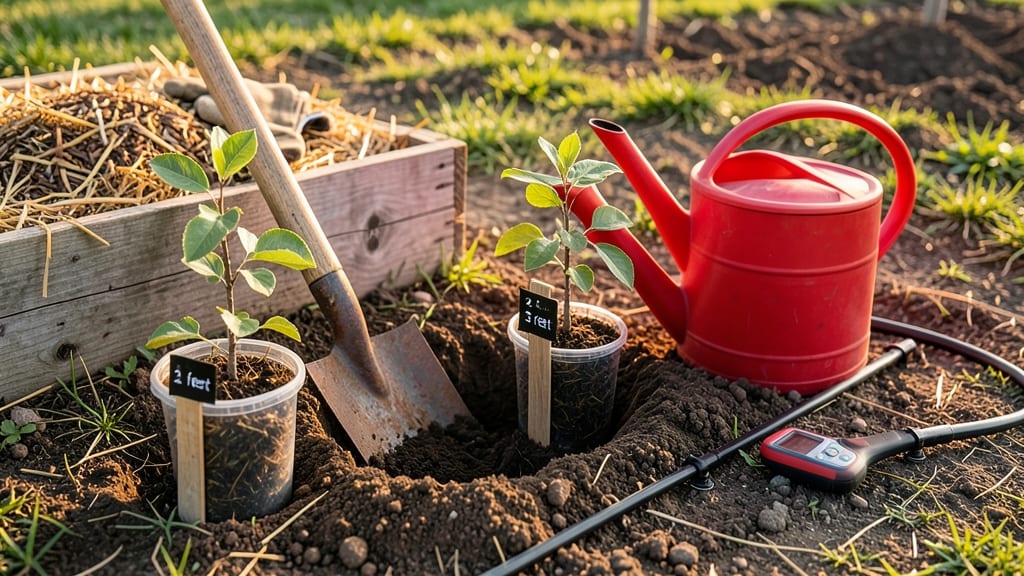
Best planting months for fruit trees in Iowa’s Zone 4 climate
Iowa’s Zone 4 climate demands careful timing when planting fruit trees—just a few weeks too early or late can spell disaster for young roots. The ideal window is early spring (March–April) or early fall (September–October), when soil temperatures hover between 40°F and 60°F.
This range lets roots establish before winter dormancy or summer heat stress.
Most gardeners in Des Moines or Cedar Rapids swear by bare-root planting in April, while those in Sioux City lean toward late September to avoid early frosts. Container-grown trees offer more flexibility—you can plant them throughout spring and early fall, but avoid transplanting during frost warnings or waterlogged soil.
Here’s the golden rule: Plant when the ground is workable but not frozen. Use your finger to test—if soil crumbles easily, it’s ready. Last frost dates in Iowa vary by 5–10 days across regions, so check the ISU Extension’s frost calendar for your county.
Visual Tip: Mark your calendar for March 15–April 15 (spring) and September 1–October 10 (fall) as your prime planting windows. These dates align with soil thaw and root growth triggers in Iowa’s climate.
| Planting Window | Soil Temp | Iowa Regions | Tree Type |
|---|---|---|---|
| Early Spring (March–April) | 40°F–60°F | All (Des Moines, Sioux City) | Bare-root, Container |
| Early Fall (Sept–Oct) | 50°F–65°F | Southern Iowa (Ames, Ottumwa) | Container (best) |
| Avoid: Late Spring (May) | N/A | All | Risk of late frost |
| Avoid: Late Fall (Nov) | N/A | All | Roots won’t establish |
For apples and pears, early April is ideal—these trees need 60–90 days of root growth before winter. Peaches and cherries, however, prefer late April to early May to avoid late spring frosts that can damage blossoms. Stone fruits like plums also thrive with fall planting in September, as cooler temps reduce transplant shock.
Iowa’s microclimates play a huge role. In northern Iowa (Zone 4a), aim for April 1–May 1 to dodge May frosts. In southern Iowa (Zone 4b), you can push fall planting to October 15 if soil stays above 50°F.
Always monitor local weather forecasts—a 10-day outlook can save your tree from freeze damage.
If you’re planting multiple trees, space them 20–30 feet apart for air circulation—critical for fungus prevention in Iowa’s humid summers. Dwarf varieties (like Honeycrisp apples) can go in 12–15 feet apart, but avoid crowding near fences or buildings, which can block sunlight.
One common mistake is planting too late in spring. If your last frost date is April 15 (like in Des Moines), don’t wait until May—new growth will freeze if temps dip below 28°F. Use frost cloth for extra protection if planting in early April.
For container-grown trees, fall planting (September) gives roots time to acclimate before winter. Water deeply before planting and mulch heavily—Iowa’s winter winds can dry out
Critical factors that determine Iowa fruit tree planting success
Iowa’s Zone 4 climate throws curveballs like late frosts and heavy snow, so timing isn’t the only factor—soil conditions and tree health matter just as much. The ideal soil pH for most fruit trees (6.0–7.0) ensures nutrient uptake, while well-draining soil prevents root rot during Iowa’s wet springs.
Test your soil before planting to avoid costly mistakes.
Another critical factor is frost-free days. Iowa averages just 165 frost-free days, leaving a narrow window for root establishment. Planting too early risks late frosts (common in April), while late planting may not give roots time to harden before winter.
Use mulch (4–6 inches of straw or wood chips) to insulate roots and retain moisture.
Don’t overlook rootstock selection. Dwarf or semi-dwarf varieties (like M.9 rootstock for apples) thrive in Iowa’s compact yards and establish faster than standard trees. For peaches, choose Lovell rootstock, which tolerates Iowa’s drought-prone summers.
Always buy from local nurseries (e.g., Iowa State University Extension partners) for cold-hardy varieties.
Iowa’s average last frost date is April 15, but late frosts can hit May 10 in some years. Young fruit trees (especially peaches and cherries) are vulnerable. Use frost cloth or plant late-blooming varieties (e.g., Honeycrisp apples) to avoid damage.
🌱 Pro Tip: Monitor Iowa State University’s frost alerts or use a local weather app for real-time updates.
Watering strategies also make or break success. Newly planted trees need deep watering (1–2 inches per week), but Iowa’s clay-heavy soils can suffocate roots if overwatered. Use a soaker hose to deliver water slowly at the drip line (not the trunk).
Avoid watering at night to prevent fungal diseases like apple scab, which thrives in Iowa’s humid summers.
Finally, pruning young trees in late winter (before buds swell) encourages strong branching. Remove dead or crossing branches and thin out suckers (shoots growing from the base). For stone fruits (peaches, cherries), prune in early spring to avoid spreading bacterial canker, a common Iowa issue.
By focusing on soil prep, rootstock, watering, and pruning, you’ll give your fruit trees the best shot at thriving in Iowa’s challenging climate. Start with these factors, and you’ll avoid the most common pitfalls that trip up new growers. 🌳