
Plants
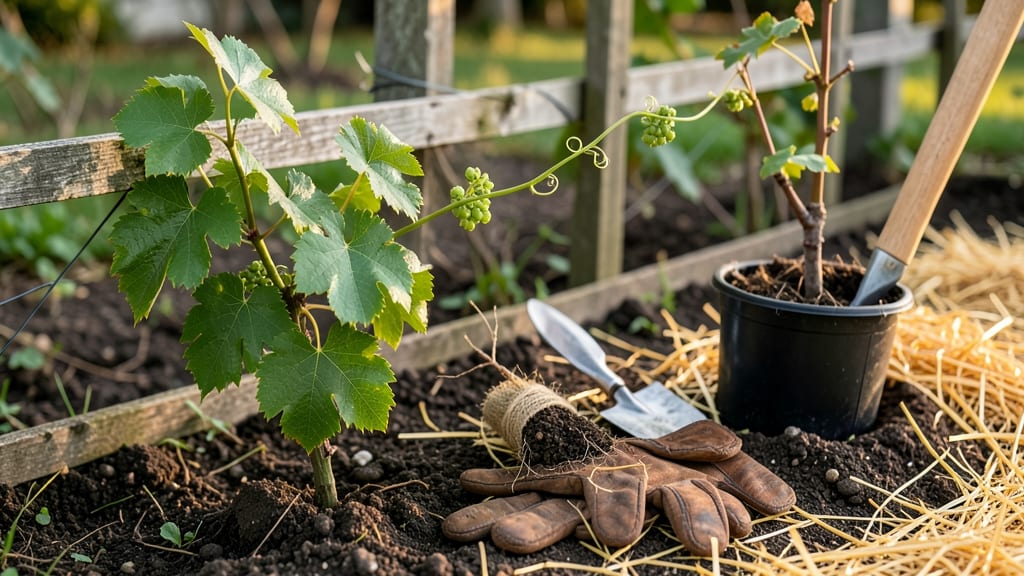
Planting grape vines in Georgia at the wrong time can mean the difference between lush, productive vines and struggling plants that barely survive the heat. With USDA Zones 7b-8a offering extended growing seasons, timing your 🍇 grape vine planting is the key to strong root establishment and bountiful harvests.
Whether you're a seasoned gardener or just starting, knowing when to plant grape vines in Georgia is critical. The ideal window falls between late winter and early spring, but fall planting also works—each method has its advantages depending on your region's microclimate.
Let’s break down the best times and how to prepare for success.
Georgia’s warm climate means you can avoid the common mistake of planting too early, which risks frost damage. Instead, focus on soil temperature and local frost dates to ensure your grape vines get the best possible start.
We’ll cover everything from soil prep to post-planting care, so you can set your vines up for a thriving season.
From Muscadine to Scuppernong, the right variety and planting strategy can make all the difference. Discover how to choose the best grape vines for your Georgia garden and the exact steps to maximize their growth—so you can enjoy a harvest of sweet, homegrown grapes in late summer or early fall.
Best planting windows for grape vines in Georgia (Zone 7b-8a)
Georgia’s USDA Zones 7b-8a offer two prime windows for planting grape vines: late winter/early spring and fall. Each has unique advantages, but timing depends on your microclimate—whether you’re in the coastal humidity of Savannah or the drier Piedmont of Athens.
Let’s break down the best months and why they matter.
For most Georgia grape varieties, February to March is ideal for spring planting. This gives roots 6-8 weeks to establish before summer heat hits. In fall, aim for September to October, allowing vines to root before first frost (typically mid-November).
Fall planting reduces transplant shock and leverages cooler temps for root growth.
Soil temperature is your best guide: plant when soil reaches 55°F (13°C). Use a soil thermometer to check—this usually aligns with late February in north Georgia and early February in south Georgia. Container-grown vines can handle slightly earlier planting since their roots are less sensitive to cold.
Muscadine grapes, Georgia’s native powerhouse, thrive with fall planting (September-October) because their thick skins handle winter better. European varieties like Catawba or Norton prefer spring planting to avoid winter stress. Always check your vine’s hardiness zone rating—most Georgia grapes are Zone 6-9 hardy.
🌱 Pro Tip: If you miss the ideal window, bare-root vines can be planted in early December (before ground freezes), while potted vines can go in until late November. Just mulch heavily to insulate roots.
Georgia’s microclimates can shift planting windows by 2-4 weeks. Coastal areas like Savannah (Zone 8a) can plant 2 weeks earlier than Atlanta (Zone 7b) due to milder winters.
Use your local extension office’s frost date maps—they’re gold for precision. For example, Tifton in south Georgia can start January planting for heat-loving varieties.
If you’re container planting, adjust timing slightly: potted vines can handle 2-3 weeks later than in-ground because their roots stay warmer. Just ensure pots have drainage holes and use well-draining soil mixes to prevent root rot in Georgia’s humidity.
Containers also let you move vines to sunnier spots if needed.
Trellis installation is non-negotiable—plant with your support system already in place. Georgia’s summer storms can topple young vines, so secure trellises to concrete anchors or buried posts. For Muscadines, use overhead arbors since they grow sprawling. Prune new vines to 2-3 buds after planting to encourage bushier growth.
💧 Watering Tip: After planting, water deeply every 3-5 days for the first 6 weeks, even if rain falls. Georgia’s clay-heavy soils can dry out surprisingly fast in spring. Use a drip irrigation system to keep moisture consistent—this prevents stress that weakens root establishment.
Timing your grape vine planting in Georgia isn’t just about months—it’s about soil temps, variety hardiness, and local microclimates. Spring gives you a head start, while fall reduces stress. Either way, prep your soil
Best planting windows for grape vines in Georgia (Zone 7b-8a)
Georgia’s USDA Zones 7b-8a offer two prime windows for planting grape vines: late winter/early spring (February–March) and fall (September–October). Spring planting aligns with rising soil temperatures, while fall gives vines time to establish roots before winter dormancy.
Both timings avoid Georgia’s extreme summer heat and humidity, which can stress young vines.
For spring planting, aim for when soil temperatures reach 50°F (10°C)—typically late February to early March in most of Georgia. This ensures roots can grow actively without frost risk. In coastal regions (e.g., Savannah), wait until mid-March to avoid early warm spells followed by cold snaps.
Fall planting is ideal for September–October, allowing vines to establish roots before first frost (usually mid-November). This method reduces transplant shock and promotes stronger growth the following spring. However, avoid planting too late—vines need 4–6 weeks to root before winter.
🍇 Georgia Grape Vine Planting Comparison
| Season | Best Months | Soil Temp | Pros | Cons |
|---|---|---|---|---|
| Spring | Feb–Mar | 50°F+ | Faster growth, full season to establish | Risk of late frost damage |
| Fall | Sep–Oct | 60°F+ | Reduces transplant shock, strong root growth | Limited growing time before dormancy |
Container planting offers flexibility for both seasons. In containers, you can plant 4–6 weeks earlier in spring or 2–3 weeks later in fall than in-ground vines, since pots warm up faster. However, ensure containers are at least 15 gallons to accommodate root growth and drainage.
Georgia’s microclimates play a huge role. In Piedmont regions (e.g., Athens), plant 2 weeks earlier than coastal areas (e.g., Brunswick) due to cooler nights. Always check your local frost dates—the University of Georgia Extension provides updated maps for precise timing.
After choosing your window, harden off bare-root vines for 3–5 days before planting. Acclimate them to Georgia’s sun and humidity gradually to prevent stress. For best results, plant on a cloudy day to reduce transplant shock.