
Trees
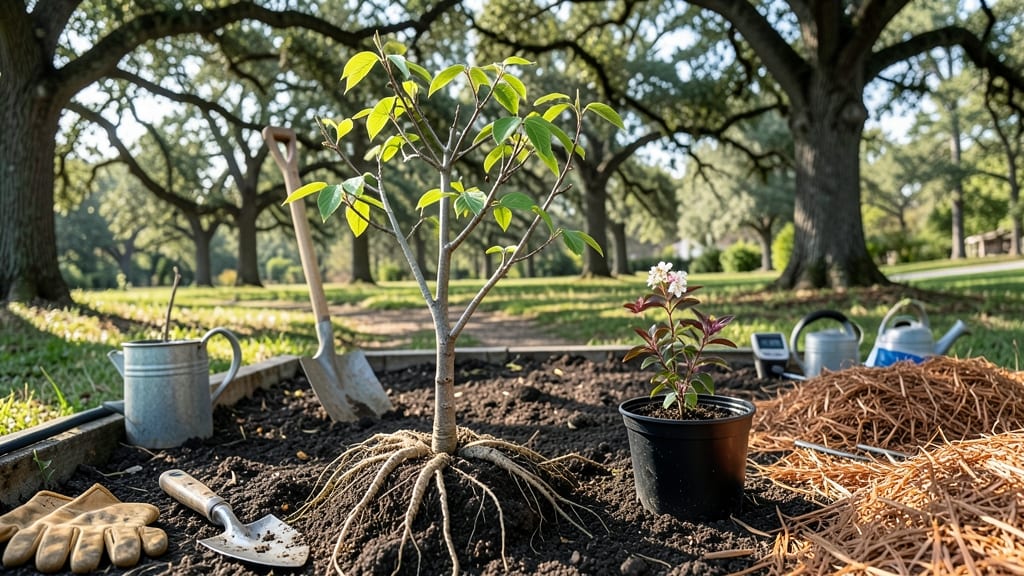
Planting your dogwood tree 🌳 at the wrong time in Texas could mean the difference between a stunning spring bloomer and a struggling sapling. With Texas' unpredictable weather—from scorching summers to sudden freezes—timing is everything for root establishment and survival.
Most gardeners assume spring is the only window, but the ideal months for dogwood trees in Texas actually span late fall to early spring. This gives young roots time to settle before summer's brutal heat or winter's chilly snaps.
Whether you're in North Texas' 8a zone or South Texas' 10b climate, knowing when to plant makes all the difference. I'll break down the best 4-month window and how to prep your soil for maximum success.
Let's dive into the exact timing, soil prep, and care tips that'll help your dogwood thrive year after year in Texas' challenging conditions.
Best months to plant dogwood trees in Texas for maximum survival
Timing is critical when planting dogwood trees in Texas—these trees thrive when planted during their dormant season, which aligns with cooler temperatures and reduced stress.
The ideal window spans from late fall to early spring, specifically November through February, to ensure strong root establishment before summer heat arrives.
Texas' diverse climate zones—from North Texas' colder winters to South Texas' mild winters—mean planting schedules vary slightly. In North Texas (USDA Zones 7b-8a), aim for November to early March to avoid late frosts.
Meanwhile, Central and South Texas (Zones 8b-9a) can plant as late as February or even early March, as frost risks are lower.
Here’s a quick breakdown of the best months for each Texas region to maximize survival rates and growth potential:
Why fall planting? Cooler temperatures and higher humidity reduce transplant shock, while soil moisture remains consistent. Planting in late fall (November) gives roots time to establish before spring growth begins. For early spring planting (February–March), prioritize well-draining soil and consistent watering to combat Texas’ rapid warming.
If you miss the optimal window, late winter (January) is still acceptable, but avoid planting in summer (April–October). Dogwoods struggle with heat stress and drought conditions, which are common in Texas summers. Even bare-root trees planted in summer often fail to establish properly.
Pro tip: Check your local frost dates—North Texas typically sees its last frost around February 15, while South Texas may experience frost as late as January 15. Planting 4–6 weeks before the average last frost date gives your dogwood the best chance to thrive.
For container-grown dogwoods, you can plant slightly later—up to April in South Texas—but always water deeply and mulch heavily to retain moisture. These trees are sensitive to drought, so early establishment is key to long-term survival.
Remember, soil temperature matters just as much as air temperature. Aim for soil temps below 60°F to prevent root burn. Use a soil thermometer to monitor conditions, especially in urban areas where pavement can raise ground temperatures.
Once planted, mulch around the base with 2–3 inches of organic mulch to retain moisture and regulate soil temperature. This is especially critical in Texas’ hot summers, where mulch acts as a protective barrier for young roots.
By following these regional guidelines, your dogwood will have the best chance to grow into a healthy, long-lived shade tree that enhances your Texas landscape for decades.
Best months to plant dogwood trees in Texas for maximum survival
Texas's diverse climate means dogwood trees thrive when planted during cooler months—avoiding the brutal summer heat or unpredictable winter freezes. For most regions, the ideal planting window spans from November to February, aligning with natural rainfall patterns and soil moisture.
This timing gives roots time to establish before the 100°F+ temperatures of Texas summers.
In North Texas (USDA Zones 7a-8a), aim for November through March to outpace late frosts, which can occur as late as February 15. Meanwhile, South Texas (Zones 9a-10b) benefits from October to January planting, where milder winters allow for earlier starts.
The key is planting 4-6 weeks before the first expected frost in your area.
Here’s how Texas’s three regions differ in optimal planting months:
While March and April are still acceptable in cooler zones, planting during these months risks heat stress as soil temperatures rise above 70°F. Dogwood roots prefer cooler soils (60-65°F), so prioritize fall planting for the best survival rates.
If you must plant in spring, do so before April 15 in most regions.
Pro tip: Use a soil thermometer to confirm temperatures are ideal before planting. Aim for 50-60°F soil temps—this ensures roots establish quickly without drying out. Mulch heavily (3-4 inches) to retain moisture and regulate soil temperature.
Remember, dogwoods are slow to establish—rushing the process by planting in summer can lead to transplant shock or even death. Patience pays off with a healthy, long-lived tree that provides decades of shade and spring blooms. 🌳