
Plants
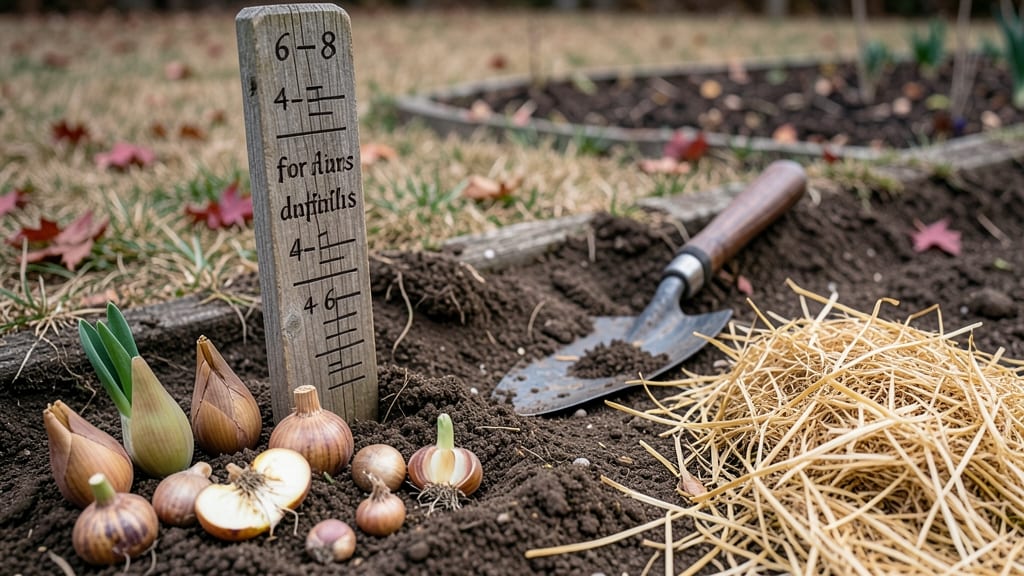
Timing your when to plant bulbs in Central Texas can mean the difference between a vibrant spring garden and a sad, wilted investment. With our long, hot summers and unpredictable winters, getting the schedule right is everything—especially for classic Spring Flowering Bulbs 🌷 like tulips and daffodils.
Most gardeners in USDA Zone 8a-8b assume fall planting is the only option, but the truth is more nuanced. Plant too early, and your bulbs may bake in the soil before winter; too late, and frost could catch them off guard.
I’ll break down the exact windows—including heat-resistant alternatives—that actually work in our climate.
You’ll discover which bulbs thrive despite our heat, how to prep your soil for success, and when to adjust for those unpredictable Texas freezes. No more guessing games—just a foolproof plan to get those spring blooms popping up right on schedule.
Ready to transform your garden? Let’s dive into the perfect planting calendar for Central Texas, so you can enjoy those first colorful bursts of spring without the stress.
Central Texas bulb planting deadlines: avoid heat & frost traps
Timing is everything when planting bulbs in Central Texas. Unlike cooler climates, our USDA Zones 8a-8b demand precise scheduling to avoid summer heat stress or winter frost damage. The 6-8 week rule before first frost applies, but our unpredictable winters mean you must plan carefully.
Most traditional spring-flowering bulbs—like tulips and daffodils—need to be planted in fall (October-December). However, Central Texas’s hot summers and variable winters create unique challenges. Plant too early, and bulbs may sprout prematurely and die in heat. Plant too late, and they won’t establish roots before frost.
Here’s the key: Aim for October 15 to December 1 for most bulbs. This window ensures bulbs root before first frost (Dec 15) but avoids summer heat exposure. For heat-resistant varieties, like rain lilies or spider lilies, you can extend planting into early January.
| Bulb Type | Ideal Planting Window | Frost Risk | Heat Tolerance |
|---|---|---|---|
| Tulips | October 15 - November 15 | High (needs frost) | Low (avoid summer heat) |
| Daffodils | October 1 - December 1 | Moderate (tolerates light frost) | Moderate (avoid extreme heat) |
| Rain Lilies | September - January | None (heat-resistant) | High (thrives in heat) |
| Spider Lilies | October - January | None (tropical) | Very High (summer bloomer) |
For Central Texas gardeners, the first frost date (Dec 15) is your deadline. Use this as your anchor: Count backward 6-8 weeks to determine your planting window. For example, if frost hits Dec 15, plant tulips by Nov 1 to ensure roots establish before cold sets in.
Pro tip: Use a soil thermometer to monitor temperatures. Bulbs need soil temps between 40-60°F to root successfully. If temps rise above 70°F before planting, bulbs may sprout too early and die in heat.
Don’t forget about summer-blooming bulbs, like crinum lilies or zephyranthes. These thrive in Central Texas heat and can be planted anytime after last frost (Jan 15). Their flexibility makes them ideal for our climate.
If you miss the fall window, some bulbs—like rain lilies—can handle January planting. However, traditional spring bulbs planted after December 1 risk poor root development and fewer blooms. Plan ahead!
For container gardening, adjust timing slightly. Potted bulbs warm up faster, so plant them 2-3 weeks earlier than in-ground bulbs to compensate for heat exposure.
Finally, mark your calendar for early spring (March) when bulbs begin emerging. This is when you’ll see if your timing paid off—or if you need to adjust next year’s schedule.
Central Texas bulb planting deadlines: avoid heat & frost traps
Central Texas gardeners must work with a narrow window to plant bulbs successfully. Unlike cooler climates, our USDA Zone 8a/8b means bulbs planted too early can bake in the soil, while those planted too late may not establish roots before winter.
The key is timing—aim for 6-8 weeks before your first frost, which typically falls between mid-December and early January.
For most traditional spring bulbs like tulips and daffodils, the ideal planting window is October through December. This gives roots time to form before the ground cools.
However, Central Texas's unpredictable winters mean some years may require adjustments. Watch local weather forecasts and use frost-free deadlines as your guide.
Here’s how to avoid common mistakes: Skipping soil prep can lead to poor drainage, while planting too shallow risks bulb rot. Use a trowel to dig holes 2-3 times deeper than the bulb’s height and mix in compost for nutrients.
In Central Texas’s alkaline soil, a touch of sulfur can help acid-loving bulbs thrive.
| Bulb Type | Planting Window | Bloom Season | Notes |
|---|---|---|---|
| Tulips | October-November | March-April | Needs cool soil; mulch heavily |
| Daffodils | November-December | March-May | Drought-tolerant; deer-resistant |
| Rain Lilies | August-September | Summer (after rain) | Heat-resistant; blooms after heavy rain |
| Crinum Lilies | September-October | Fall-Winter | Thrives in heat; fragrant blooms |
If you miss the fall window, don’t despair! Some bulbs, like rain lilies and spider lilies, can be planted in late summer or early fall to escape Central Texas’s summer heat.
These varieties are perfect for gardeners who want blooms without the traditional timing constraints. Just be sure to water them deeply after planting to help roots establish.
For gardeners in Zone 8b, where winters are milder, you might get away with planting as late as early January. However, this is risky—bulbs planted this late may not bloom as vigorously.
To hedge your bets, opt for heat-resistant bulbs like crinum lilies or spider lilies, which can handle our warmer winters better than traditional tulips.
Always check the back of your bulb packaging for specific instructions, as some varieties have unique needs. For example, hyacinths prefer cooler soil and may need extra mulch in Central Texas’s warmer winters. By following these guidelines, you’ll give your bulbs the best chance to thrive despite our unpredictable climate.