
Plants
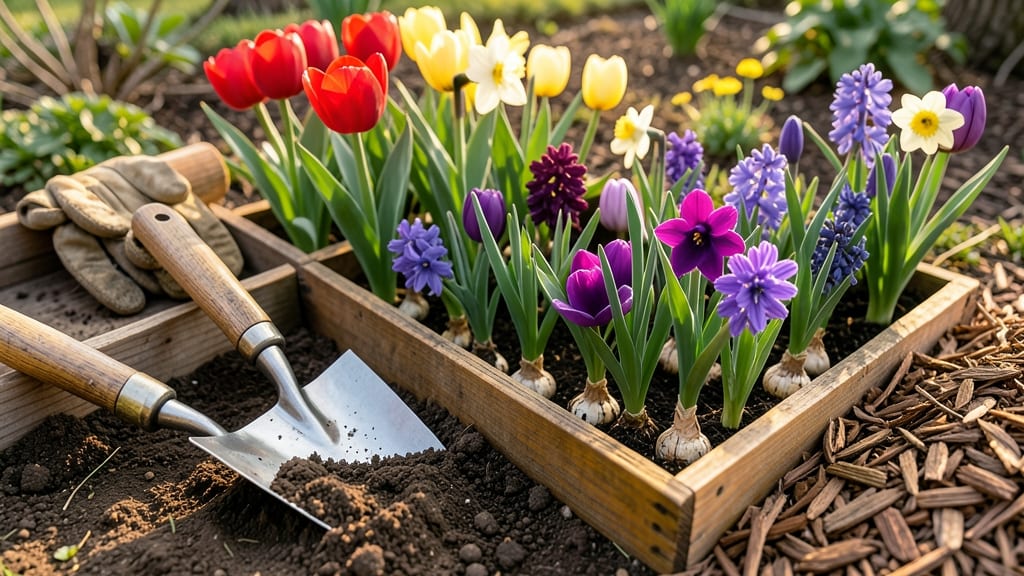
Spring bulb planting timeline: exact dates by US hardiness zones
Spring bulb planting isn’t a one-size-fits-all task—your USDA hardiness zone determines the perfect window to plant for frost-free growth. In Zone 3 (think Minnesota or Montana), aim for late April to early May when soil temps hit 50°F.
Meanwhile, gardeners in Zone 9 (like Southern California) can start as early as January to avoid summer heat stress.
For most gardeners in Zones 4-8, the sweet spot is 4-6 weeks before your last frost date. This gives bulbs time to root before spring warmth triggers growth. Use the National Weather Service’s frost calculator to pinpoint your exact date—just plug in your ZIP code!
Pro tip: Tulips and hyacinths prefer cooler soil (45-55°F), while daffodils and alliums tolerate slightly warmer conditions (50-60°F). Adjust planting depth too—6-8 inches deep for most bulbs, but shallower for small varieties like grape hyacinths.
Here’s the critical visual guide to help you plan:
| Zone | Ideal Planting Window | Soil Temp Threshold | Best Bulbs for Zone |
|---|---|---|---|
| 3-4 | Late April–Early May | 45–55°F | Tulips, Daffodils, Alliums |
| 5-6 | Mid-March–Early April | 50–60°F | Hyacinths, Crocuses, Fritillaries |
| 7-8 | January–February | 55–65°F | Daffodils, Rain Lilies, Snowdrops |
| 9-10 | November–December | 60–68°F | Daffodils, Alliums, Cyclamen |
If you’re in a transition zone (like Zone 6b vs. 7a), err on the earlier side—bulbs planted too late may not bloom fully before summer heat sets in. For example, Zone 6 gardeners should plant by mid-April to ensure tulips finish flowering before June.
Don’t forget to amend your soil before planting! Mix in compost or bulb fertilizer (high in phosphorus) to encourage strong root development. A well-draining soil is non-negotiable—bulbs rot in soggy conditions.
For container gardeners, use pots with drainage holes and plant bulbs 3 times as deep as their height. Place containers in a south-facing spot for maximum sunlight, and water deeply but infrequently—overwatering is a common killer.
Watch for early sprouts in warm zones—if shoots appear before frost, protect them with row covers or mulch. In colder zones, mulch after planting to insulate bulbs from freeze-thaw cycles that can damage emerging roots.
Timing isn’t just about dates—it’s about reading your climate. Check your local cooperative extension service for hyper-local advice, especially if you’ve had unpredictable springs lately. 🌱
Moon phase planting secrets: root vs. flower bulbs explained
Planting bulbs by the moon isn’t just old wives’ tales—it’s a science-backed way to boost root growth and flower strength. The moon’s gravitational pull affects water absorption in soil, and timing your planting to its phases can mean the difference between weak stems and showstopping blooms.
For spring bulbs, the key is understanding whether you’re planting for roots or flowers, as each requires a different lunar approach.
Rooting bulbs—like daffodils and tulips—thrive when planted during the waxing moon (the days leading up to a full moon). This phase encourages deep root development before the above-ground growth begins.
On the other hand, flowering bulbs—such as hyacinths and alliums—benefit from planting during the waning moon (after the full moon), which directs energy toward bloom production rather than roots.
Here’s the golden rule: Always plant bulbs when the moon is in the same sign as the part of the plant you’re focusing on. For example, planting tulips (root-focused) during a Taurus or Virgo moon (earth signs) will give them a stronger foundation.
Meanwhile, planting hyacinths (flower-focused) during a Libra or Pisces moon (water signs) will enhance their bloom abundance.
If you’re planting in March, aim for the waxing gibbous moon (just before full) for daffodils and tulips. For April plantings, wait until the waning crescent moon to give hyacinths and alliums a bloom boost.
A quick trick? Use a moon phase app to set reminders—most show lunar signs alongside phases, making it easy to align your planting with celestial timing.
Don’t overlook the soil temperature when combining moon phases with planting. Even the best lunar timing won’t help if the ground is still too cold. Aim for 40-50°F soil temps—use a soil thermometer to check before digging.
In Zone 5, this usually means waiting until mid-to-late March, while Zone 8 gardeners can start as early as February.
For container gardeners, lunar timing matters just as much. Plant bulbs in pots during the waxing moon for stronger roots, then move them to a sunnier spot during the waning moon to encourage flowering.
Just remember: well-draining soil is non-negotiable—even the best moon phase won’t save bulbs from soggy roots. Add a layer of perlite or sand to potting mixes to ensure success.
Harnessing the moon’s power is like giving your bulbs a natural growth hack. Start experimenting this spring, and you’ll notice healthier foliage, longer stems, and more vibrant blooms—all without extra fertilizer or fuss. Happy planting under the stars! 🌙