
Plants
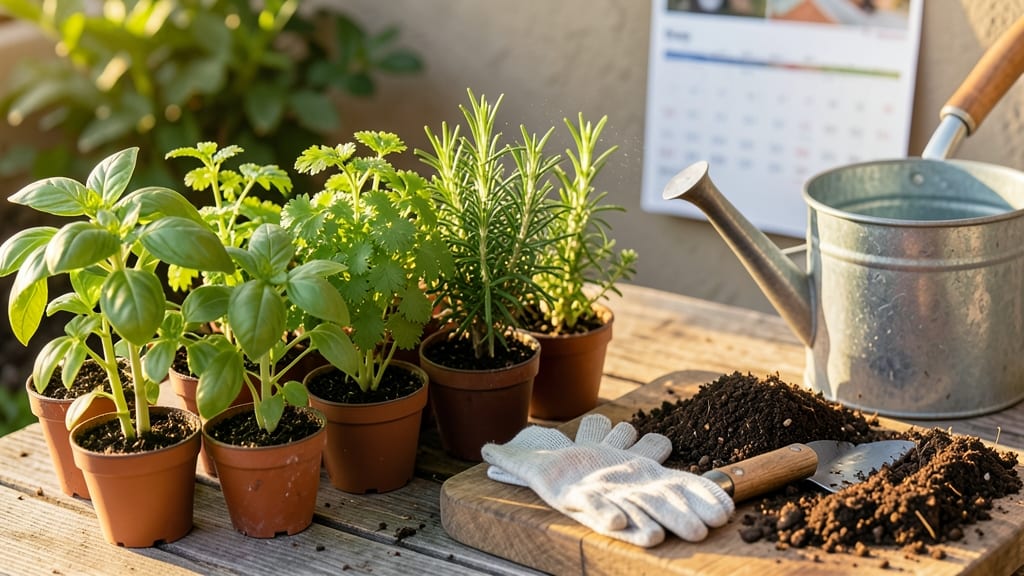
If you’ve ever planted fresh 🌿 herbs in Southern California only to watch them bolt into flower within weeks, you’re not alone. The key to thriving basil, rosemary, and cilantro lies in understanding your microclimate’s unique rhythms—whether you’re battling coastal fog or inland heat.
Unlike regions with harsh winters, Southern California’s 9b-11 zones let you grow herbs year-round, but timing still matters. Plant too early in the heat, and your cilantro will turn bitter; too late in summer, and your basil may struggle.
I’ll break down the perfect windows for coastal, desert, and inland areas so you can harvest fresh flavors without the guesswork.
From fall’s ideal start for cool-season herbs to summer’s heat-tolerant picks, this guide covers everything you need. You’ll learn how to avoid common pitfalls like bolting, when to start seeds indoors, and which herbs thrive in containers—no matter where you live in SoCal.
Ready to turn your garden into a year-round herb powerhouse? Let’s dive into the exact months and methods that work for your specific corner of Southern California.
Southern California herb planting calendar by microclimate zone
Southern California’s three distinct microclimates—coastal, inland, and desert—each demand unique timing for herb planting. Coastal areas enjoy milder winters and cooler summers, while inland zones face intense heat and desert regions experience extreme drought.
Even rosemary and thyme, heat-lovers, need strategic timing to thrive. Let’s break down the perfect planting windows for each zone to keep your herbs lush and productive year-round.
For coastal gardens (e.g., Malibu, Santa Barbara), the ideal planting window stretches from September through April.
This avoids the foggy summer months, which can stunt growth. Cilantro and parsley thrive in these cooler conditions, while basil and oregano prefer the spring and fall when temperatures hover between 60°F and 75°F.
Inland areas like Los Angeles and Riverside can plant year-round, but summer planting requires extra shade and water.
The desert regions (e.g., Palm Springs, Joshua Tree) have the shortest growing season for cool-season herbs.
Plant cilantro and dill in late fall (October-November) or early spring (February-March) to avoid bolting from 100°F+ heat. Rosemary and lavender, however, thrive in desert summers—plant them in spring (March-April) for peak performance.
Here’s a quick reference for herb planting by microclimate, including frost-free windows and heat tolerance thresholds:
| Microclimate | Best Planting Months | Herbs to Plant | Avoid Planting |
|---|---|---|---|
| Coastal (e.g., Malibu) | Sep–Apr | Basil, Cilantro, Parsley, Thyme | Jun–Aug (foggy, slow growth) |
| Inland (e.g., LA, Riverside) | Year-round (with adjustments) | Rosemary, Oregano, Sage (summer); Cilantro, Dill (fall/spring) | Jun–Sep (extreme heat) |
| Desert (e.g., Palm Springs) | Oct–Nov, Feb–Mar | Cilantro, Dill, Chives | Apr–Sep (bolting risk) |
| All Zones | Mar–Apr, Sep–Oct | Rosemary, Lavender, Thyme (heat-tolerant) | None (perennial herbs) |
Pro tip: Use UC Master Gardener recommendations for your specific area. For example, Santa Barbara’s coastal fog allows year-round basil, while Riverside’s inland heat demands afternoon shade for tender herbs like cilantro.
Always check local frost dates, even in desert zones—high elevations (e.g., Big Bear) can drop below 32°F in winter.
For heat-sensitive herbs like basil and cilantro, start seeds indoors 6–8 weeks before your ideal outdoor planting date.
This gives them a head start before summer’s brutal heat arrives. Rosemary and thyme, on the other hand, can handle direct summer sun—plant them in spring (March-April) for a bold, flavorful harvest through fall.
If you’re in a transition zone (e.g., Orange County), split your planting schedule: cool-season herbs in fall/winter and warm-season herbs in spring. This ensures a continuous supply of fresh herbs without gaps. For example, plant cilantro in October and basil in March to keep your kitchen stocked year-round.
Don’t overlook container gardening for urban areas. Pots give you flexibility to move herbs between sun and shade as needed. For instance, place basil in full sun in spring/fall but move it to partial shade in summer to prevent bolting.
Use well-draining soil and terracotta pots to mimic desert conditions for heat-loving herbs like oregano.
Remember:
How to avoid bolting in Southern California herbs (critical tips)
Herbs in Southern California face a unique challenge: extreme heat and unpredictable rainfall can send your cilantro racing to flower in days. Bolting—when herbs send up bitter flower stalks—ruins flavor and harvests. The key? Understanding your herbs’ heat thresholds and adjusting care to keep them cool and happy.
For example, cilantro bolts in 70°F+ temperatures, while rosemary thrives in 90°F+ heat. My trick? Plant heat-sensitive herbs like parsley and basil in fall or winter, when temps stay mild. For summer gardens, opt for heat-tolerant varieties like Thai basil or lemon thyme.
🌿Pro Tip: Use shade cloth (30-50%) during peak summer afternoons to protect delicate herbs. Even a few hours of relief can extend your harvest by weeks.
⚠️ Watch for These Bolting Triggers
- Heat Stress: Temps above 80°F for 3+ days
- Drought: Skipping water for 5+ days in summer
- Cold Snaps: Nights below 40°F (even in SoCal!)
- Overcrowding: Plants competing for nutrients
💡 Fix It: Mulch heavily, water deeply at soil level, and thin plants to 3-4 inches apart.
Watering is another bolt-inducer. Deep, infrequent watering (1-2 inches per week) encourages strong roots, while light, frequent sprinkling stresses plants. I set a timer to water my herb containers every morning at 6 AM—consistency is key. Avoid wetting leaves to prevent fungal diseases that weaken plants.
For year-round success, pair herbs with companion plants that share their needs. For example, oregano (drought-tolerant) protects basil from heat, while parsley (cool-loving) thrives under rosemary’s shade in summer. This natural teamwork keeps your garden balanced and productive.
🌡️ Seasonal Swap Strategy: Rotate herbs by season—plant cool-season crops (cilantro, dill) in fall/winter, then replace them with heat-lovers (rosemary, oregano) in spring/summer. This keeps your garden in peak condition without bolting drama.
Finally, harvest regularly to encourage bushier growth. Pinch off flower buds as soon as they appear—this redirects energy to leaves instead of seeds. With these tweaks, you’ll enjoy flavorful, bolt-free herbs all year, even in SoCal’s wild climate! 🌱