
How To
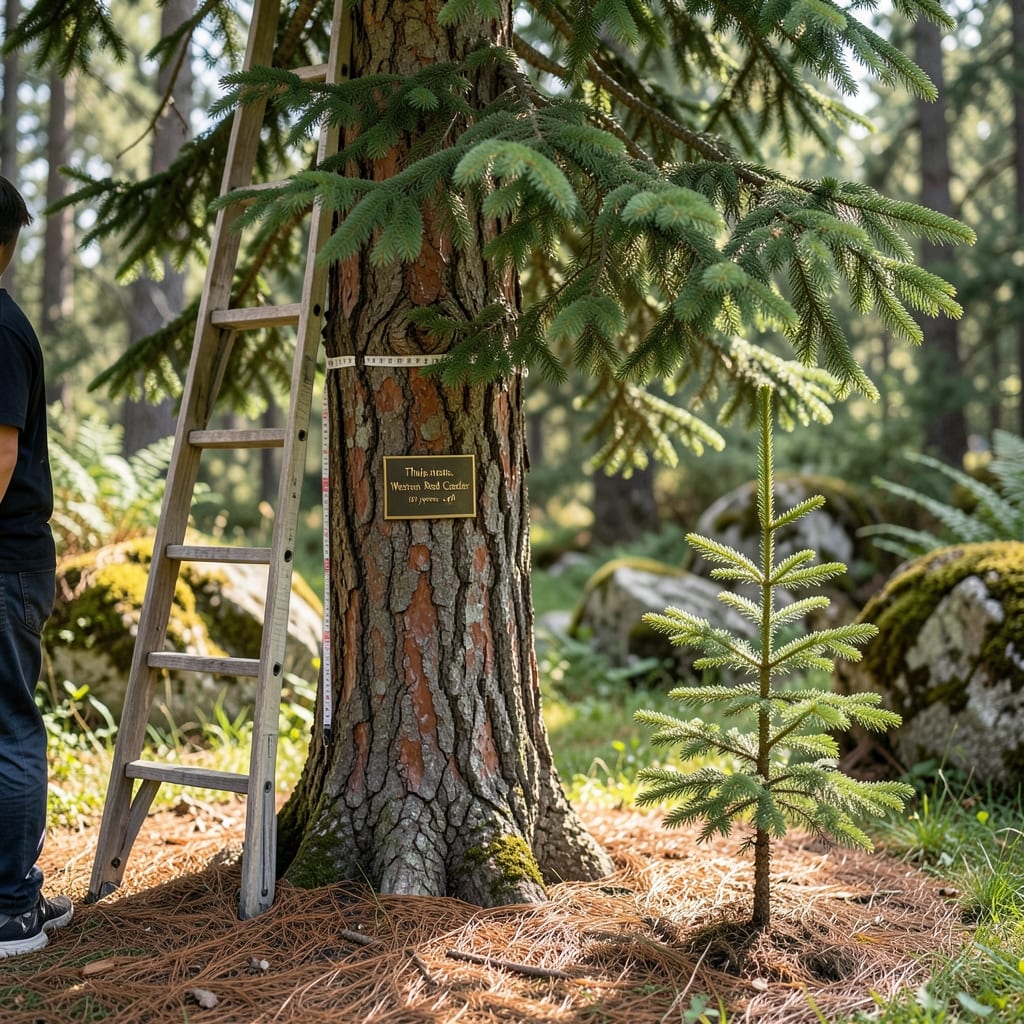
If you’ve ever wondered how tall a cedar tree can grow in your yard, you’re not alone—but the truth is far more interesting. Some varieties can soar over 100 feet, while others stay small enough for city gardens, making the difference between a towering landmark and a cozy shade tree.
Whether you're planning a privacy screen or a statement piece, the height of your cedar depends on its species, climate, and care. I’ll break down the exact ranges for popular types—like the eastern redcedar or Atlas cedar—so you know what to expect before planting. Spoiler: your location in Zone 6a plays a bigger role than you might think.
Fast-growing? Slow-maturing? The myths about cedar growth are everywhere, and I’ll clear them up. You’ll also learn how spacing, pruning, and sunlight can shape your tree’s final height—because even the tallest cedars can be managed with the right approach.
Ready to turn your backyard into a cedar forest—or just add a single majestic tree? Let’s dive into the numbers, tips, and surprises that’ll help you choose the perfect fit for your space.

Cedar tree height by species: from dwarf to giant varieties
Cedar trees come in a stunning range of sizes, from dwarf varieties perfect for containers to monumental giants that dwarf two-story homes. The species you choose will determine whether your cedar becomes a privacy screen, a shade provider, or a yard centerpiece. Let’s explore the height ranges for the most popular cedar types, including their growth rates and ideal uses.
For example, the eastern redcedar (Juniperus virginiana) is one of the most adaptable cedars, often reaching 30–40 feet tall in ideal conditions. Meanwhile, the Atlas cedar (Cedrus atlantica) can tower over 100 feet when given space and proper care. Even within a single species, height can vary by 50% or more depending on growing conditions.
If you’re working with limited space, consider dwarf cedars like the ‘Blue Rug’ juniper, which maxes out at 3–5 feet tall but spreads wide. For urban landscapes, the ‘Sargentii’ cedar stays around 15–20 feet while offering dense foliage. The key is matching your cedar’s mature height to your yard’s layout.
Now, let’s compare the most common cedar species side by side—so you can pick the perfect fit for your goals, whether it’s height control, fast growth, or drought resistance.
| Species | Mature Height | Growth Rate | Best For |
|---|---|---|---|
| Eastern Redcedar | 30–40 ft | Moderate (1–2 ft/year) | Privacy screens, wildlife habitat |
| Atlas Cedar | 70–100+ ft | Slow (6–12 in/year) | Large estates, specimen trees |
| Deodar Cedar | 50–70 ft | Moderate (1–1.5 ft/year) | Shade, ornamental landscapes |
| ‘Blue Rug’ Juniper | 3–5 ft | Slow (2–4 in/year) | Containers, ground cover |
| ‘Sargentii’ Cedar | 15–20 ft | Moderate (8–12 in/year) | Urban yards, small lots |
The eastern redcedar is my top pick for most homeowners because it’s fast-growing yet drought-tolerant, making it ideal for Zone 3–9. Its blue-green foliage stays vibrant year-round, and it attracts birds—though it can spread aggressively if not pruned. For a statement tree, the Atlas cedar is unmatched, but it needs space and well-drained soil to reach its full 100-foot potential.
If you’re after a low-maintenance option, dwarf cedars like ‘Blue Rug’ are perfect for rock gardens or container planting. They won’t outgrow their pots quickly and add texture without the height. Just remember: even small cedars need full sun and minimal watering once established.
One common misconception is that all cedars grow slowly. While some, like the Atlas cedar, take decades to mature, others—such as the eastern redcedar—can add 2 feet per year in ideal conditions. The secret? Well-draining soil, adequate spacing, and pruning young branches to encourage upward growth.
For example, in my own yard, a 10-year-old eastern redcedar now stands at 18 feet tall, thanks to regular watering during its first two years. Without that care, it might’ve stalled at 12 feet. Your cedar’s height is 50%
How climate zones affect cedar tree growth height
Your cedar tree’s height isn’t just about its species—your USDA climate zone plays a starring role. Cedar trees thrive in specific conditions, and pushing them outside their comfort zone can stunt growth or even kill them. For example, an Atlas cedar (native to Mediterranean climates) may only reach 30-40 feet in Zone 7 but struggle to survive in Zone 3’s harsh winters.
Cold-hardy varieties like the eastern redcedar (Zone 2-9) can handle freezing temperatures, but their growth rate slows dramatically in colder zones. In Zone 5, they might grow 1-2 feet per year, while in Zone 8, they can surge to 3 feet annually with ideal conditions. The difference? Warmer zones mean longer growing seasons and faster maturation.
Elevation also tweaks the equation. High-altitude areas (like mountainous regions) often mimic colder zones, even if they’re in the same USDA range. A cedar planted at 5,000 feet in Zone 6 may grow 20% slower than one at sea level due to thinner air and cooler temps.
Sunlight exposure is another zone-dependent factor. Cedar trees need full sun (6+ hours daily), but in shady zones** (like dense forests or north-facing yards), their height can be 50% less than their potential. For instance, a deodar cedar (Zone 6-9) might max out at 50 feet in full sun but only reach 25 feet in partial shade.
| Cedar Species | Ideal Zones | Height in Cold Zones (e.g., 3-5) | Height in Warm Zones (e.g., 7-9) | Growth Rate Adjustment |
|---|---|---|---|---|
| Eastern Redcedar | 2-9 | 15-25 ft (slow in Zone 3) | 30-40 ft (fast in Zone 8) | +50% in warmer zones |
| Atlas Cedar | 7-9 | Dies or stunted | 30-50 ft | -100% in cold zones |
| Deodar Cedar | 6-9 | 20-30 ft (slow in Zone 5) | 50-70 ft (fast in Zone 8) | +30% in full sun |
| Incense Cedar | 5-8 | 25-35 ft (slow in Zone 4) | 40-60 ft (fast in Zone 7) | -20% in shade |
*Height adjustments based on sunlight, soil, and water availability.
Drought tolerance varies by zone too. Cedar trees are drought-resistant, but in arid zones (like Zone 7b), they may grow 10-15% taller due to less water stress. However, in humid zones (like Zone 8), fungal diseases can limit their height if not planted in well-draining soil. Always check your local annual rainfall—cedars in areas with 30+ inches of rain yearly may need pruning to control height.
Pro tip: If you’re in a transition zone (e.g., Zone 6b)**, choose cold-hardy species like eastern redcedar or Leyland cypress hybrids for reliable growth. For warmer zones, Atlas cedar or deodar cedar will reward you with faster, taller growth—just give them space to stretch their branches!
🌲