
Trees
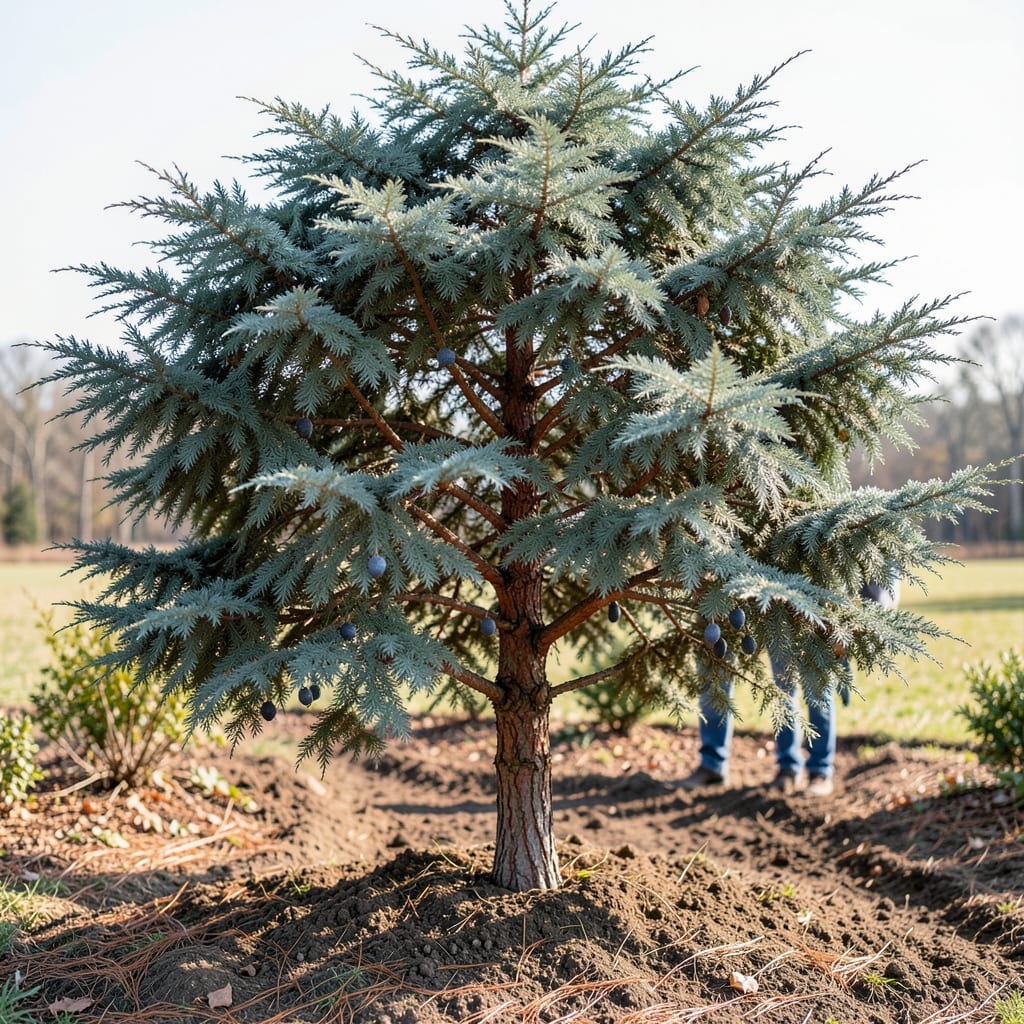
If you're wondering how tall can cedar trees grow, the answer might surprise you—these evergreens can range from tiny shrubs to towering giants that dwarf your house! Whether you're planning a privacy screen or just admiring their natural beauty, knowing the height potential of different cedar species is key to making the right choice for your space.
From the compact 'Blue Rug' cedar that stays under 5 feet to the majestic Deodar Cedar that can soar over 100 feet, the variation is staggering. Some species grow fast, while others take decades to reach their full height. I’ll break down the fastest-growing varieties and how to encourage healthy growth for the perfect fit in your landscape.
Want to control the height of your cedar tree? Pruning and choosing the right variety can make all the difference. Whether you’re working with a small backyard or a sprawling estate, understanding these factors ensures your cedar tree thrives—and stays the size you envision.
Let’s dive into the specifics so you can pick the perfect cedar for your needs, whether you’re after a quick-growing screen or a long-term investment in natural beauty. Ready to find out which species will work best for you?

Cedar tree height by species: from dwarf varieties to towering giants
Cedar trees are among nature's most versatile landscape stars, offering everything from privacy screens to shade providers. But their height varies dramatically depending on the species—some stay small enough for container gardening, while others become forest giants. Let me break down the height ranges for popular cedar varieties so you can choose the perfect fit for your space.
First, let's clarify that "cedar" isn't a single species but a common name for several evergreen trees in the Cupressaceae family. The most common types—like Eastern Red Cedar, Atlas Cedar, and Deodar Cedar—can reach vastly different heights. Even within species, dwarf varieties exist that stay under 5 feet tall.
Here's where things get exciting: A Deodar Cedar can grow taller than a three-story building (100-130 feet), while a 'Blue Rug' Juniper (often called a dwarf cedar) stays under 3 feet. Your choice depends on whether you want a sky-scraping sentinel or a compact accent plant.
| Species | Mature Height | Growth Rate | Best For |
|---|---|---|---|
| Eastern Red Cedar | 40-60 ft | 12-24 in/year | Privacy screens, wildlife habitats |
| Atlas Cedar | 60-80 ft | 24-36 in/year | Large landscapes, statement trees |
| Deodar Cedar | 100-130 ft | 36-48 in/year | Park settings, large estates |
| 'Blue Rug' Juniper | 3-5 ft | 6-12 in/year | Containers, rock gardens |
| 'Green Spire' Eastern Red Cedar | 15-25 ft | 12-18 in/year | Small yards, urban gardens |
| 'Emerald Sentinel' Thuja | 12-15 ft | 8-12 in/year | Foundation plantings |
The Eastern Red Cedar is America's most popular cedar, often reaching 40-60 feet in ideal conditions. I planted one in my Zone 6 garden 10 years ago, and it's now a 25-foot privacy wall—perfect for blocking neighbors' views while attracting birds. For smaller spaces, the 'Green Spire' variety grows just 15-25 feet tall, making it ideal for urban backyards.
If you're after a statement tree, the Atlas Cedar from the Mediterranean can soar to 80 feet with its weeping branches. These trees thrive in USDA Zones 6-9 and love well-draining soil. I've seen them used as focal points in large estates, where their blue-green needles create stunning contrast.
For container gardening, dwarf varieties like 'Blue Rug' Juniper are game-changers. These stay under 3 feet tall and wide, perfect for patio planters or rooftop gardens. Just ensure they get full sun and well-draining soil to prevent root rot—a common issue with cedars in clay-heavy soils.
One common misconception is that all cedars grow equally fast. In reality, Deodar Cedars can grow 3 feet per year in ideal conditions, while dwarf varieties might only add 6 inches annually. Your local climate zone plays a huge role—cedars in arid regions like Arizona grow faster than those in humid climates like the Southeast.
When planning your landscape, consider not just height but also spread
Fastest-growing cedar trees: how quickly they reach mature heights
If you're eager to see your cedar tree grow fast, some species can reach 10 feet in just 5-7 years—but not all cedars grow at the same pace. The 'Green Spire' Eastern Red Cedar is a standout, shooting up 12-24 inches per year under ideal conditions. Meanwhile, the Deodar Cedar, though slower, can still add 24-36 inches annually when young, making it a speedy giant in the long run.
For gardeners with limited patience, the 'Emerald Sentinel' Cedar is another fast performer, growing 10-15 inches per year and reaching 10 feet in about 6 years. These rates can double if you provide full sun, well-draining soil, and minimal competition from other plants. But remember, growth slows as trees mature—so early years are critical for maximizing height gains.
Here’s how quickly some top cedar species hit key height milestones:
To push your cedar’s growth, focus on soil quality and sunlight. Amend heavy clay with compost to improve drainage, and mulch around the base to retain moisture. Avoid over-fertilizing—cedars thrive in lean, well-draining soil. If you’re planting for a quick privacy screen, 'Green Spire' or 'Emerald Sentinel' are your best bets for rapid vertical growth.
Once your cedar hits 10 feet, growth slows significantly. The Deodar Cedar, for example, may take 20-30 years to reach its full 100-foot height, but the first decade is when you’ll see the most dramatic changes. Plan accordingly if you’re working with limited space—some varieties simply outgrow their welcome!
For a balanced approach, consider the 'Kaizuka' Cedar, which grows 8-12 inches per year and tops out at 30-40 feet. It’s a middle-ground option that delivers height without the extreme maintenance of faster growers. The key is matching your cedar’s growth rate to your landscape goals and timeline.
Whether you’re after a fast privacy hedge or a slow-growing statement tree, knowing these growth rates helps you set realistic expectations. And if you’re impatient? Start with a fast grower like 'Green Spire'—you’ll have that towering cedar sooner than you think! 🌳