
Size
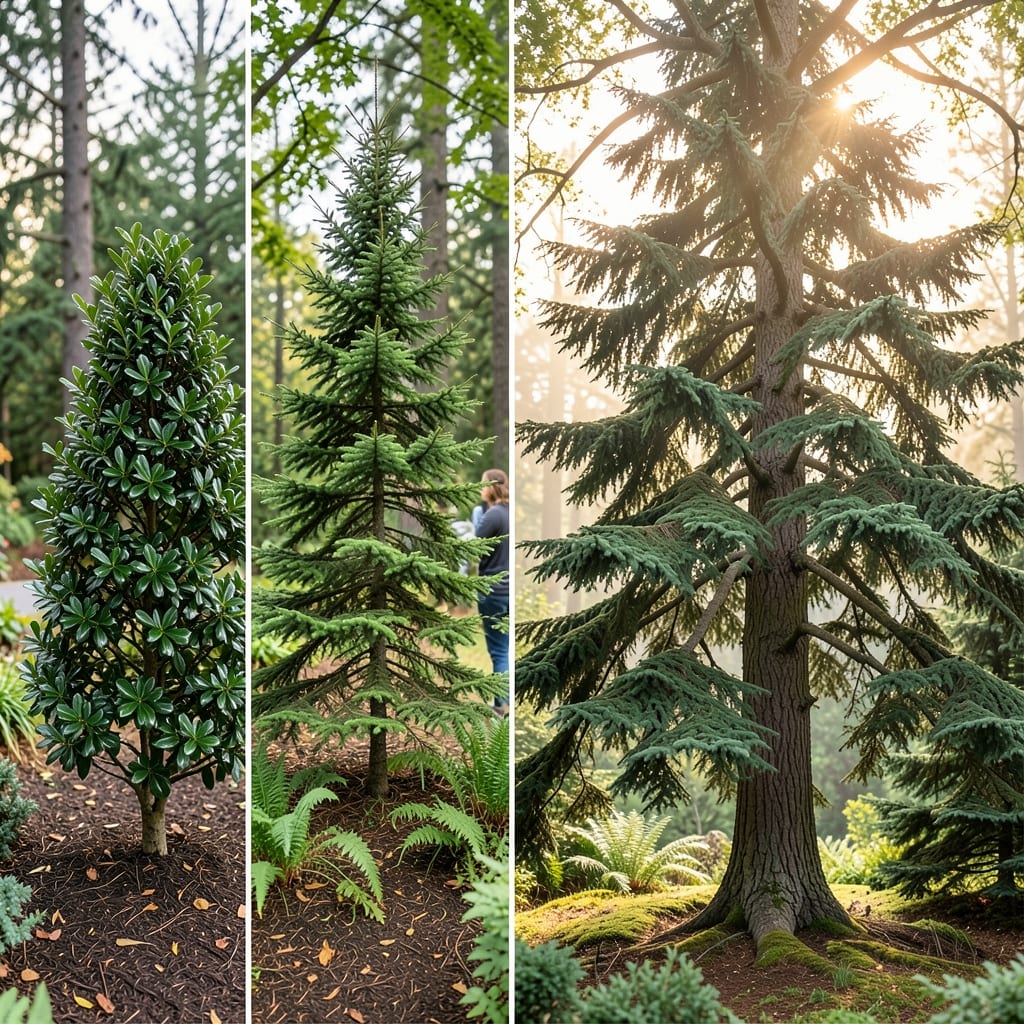
If you’ve ever wondered how tall can evergreen trees grow, the answer might surprise you. The tallest evergreen trees on Earth—like the legendary coast redwoods—can stretch over 375 feet, making them taller than a 30-story building. But for your backyard or landscape, the height potential varies wildly depending on the species, climate, and care you provide.
Most gardeners planting evergreens in Zone 6a (like pines, spruces, or cedars) can expect mature heights between 10 and 50 feet, but some fast-growing varieties—like the Leyland cypress—can reach 60 feet in just 20 years. The key to unlocking their full height lies in understanding their natural growth habits, soil needs, and how pruning (or lack thereof) shapes their future.
Whether you’re dreaming of a sky-high privacy screen or just curious about the giants in your neighborhood, this guide breaks down the fastest-growing evergreens, their sky-high limits, and how to nurture them for maximum height. Let’s explore which trees will give you that dramatic, vertical impact—without waiting centuries.
From ancient redwoods to your own 🌲 backyard, the possibilities are as vast as the treetops themselves. Ready to discover how tall your evergreen could grow?


Tallest evergreen trees in the world: height records and species breakdown
When it comes to how tall can evergreen trees grow, the coast redwood (Sequoia sempervirens) takes the crown—literally. The tallest known specimen, "Hyperion", stands at a staggering 379.7 feet, making it the tallest tree on Earth. These giants thrive in California’s foggy coastal regions, where high humidity and rich soil fuel their vertical growth.
But redwoods aren’t the only sky-scrapers. The Douglas fir (Pseudotsuga menziesii) can reach 300+ feet, while the giant sequoia (Sequoiadendron giganteum) may not top out as high, but its massive trunk diameters (up to 36 feet) make it a close contender. For gardeners in Zone 6a, these ancient giants are out of reach—but their smaller cousins still pack a punch.
Here’s how the tallest evergreen trees compare, including their growth rates and ideal climates. Understanding these species helps you choose the right tree for your landscape, whether you’re aiming for a privacy screen or a statement piece.
While these giants dominate the height records, most gardeners will work with smaller evergreens like pines, spruces, or cedars. For example, a Norway spruce (Picea abies) typically reaches 40–60 feet, while a dwarf Alberta spruce (*Picea glauca 'Conica') stays under 10 feet—perfect for containers or foundation plantings.
If you’re planning a privacy hedge or windbreak, focus on fast-growing evergreens like Leyland cypress or Thuja plicata (Western red cedar), which can grow 3–5 feet per year in ideal conditions. Just ensure you have the space—their mature heights can still dwarf your expectations!
For those in Zone 6a, soil quality and sunlight exposure are critical. A well-draining, slightly acidic soil (pH 5.0–6.5) paired with full sun will maximize growth. In contrast, poor soil or shade can stunt a tree’s height by 50% or more, turning a potential tower into a stunted shrub.
Pruning also plays a role. Topping (cutting the top) can encourage bushier growth but may reduce overall height. For maximum vertical growth, avoid heavy pruning—let your evergreen stretch toward the sky. With the right conditions, even a backyard pine can reach
What determines evergreen tree height: climate, soil, and genetics explained
The height of evergreen trees isn’t just luck—it’s a mix of genetics, climate, and soil conditions. Some species, like the coast redwood, are genetically programmed to reach 375 feet, while others, like dwarf Alberta spruce, max out at 10 feet. But even within the same species, your local microclimate can push a tree toward its sky-high potential—or stunt its growth.
For example, coastal evergreens thrive in high humidity and mild winters, growing twice as fast as their inland cousins. The Douglas fir, native to Pacific Northwest forests, can hit 300 feet with ideal moisture, but in drier Zone 6a, it might only reach 60 feet. Your elevation also plays a role—trees at higher altitudes grow slower due to cooler temps and thinner air.
🌲
🌱 Key Factors Affecting Evergreen Height
| Factor | Optimal Conditions | Impact on Height |
|---|---|---|
| Genetics | Species-specific growth potential | Determines max height (e.g., redwoods vs. junipers) |
| Climate | High humidity, mild winters, full sun | Faster growth, taller mature size |
| Soil | Well-draining, nutrient-rich, slightly acidic | Healthier roots = taller growth |
| Sunlight | 6+ hours daily | Critical for photosynthesis and vertical expansion |
| Water | Deep, consistent moisture | Drought stunts growth; excess causes root rot |
Your soil composition is another game-changer. Evergreens like pine trees prefer acidic soil (pH 4.5–6.0), while cedars tolerate slightly alkaline conditions. Amend your soil with organic matter (like compost or pine bark) to improve drainage and nutrient uptake—this can add 10–20 feet to a tree’s mature height over decades.
Don’t underestimate the power of human intervention, either. Pruning can either encourage height (by removing lower branches) or cap it (with topping). For example, if you prune the top of a young Leyland cypress, you’ll stunt its growth, but if you let it grow wild, it can shoot up 6 feet per year in ideal conditions. Conversely, grafting dwarf varieties onto fast-growing rootstock can create a miniature version of a towering tree.
Even the spacing between trees affects height. Crowded evergreens compete for sunlight and nutrients, often resulting in shorter, bushier growth. Give your trees room to stretch—10–15 feet of space for medium-sized evergreens and 20+ feet for giants like Douglas firs. This simple adjustment can mean the difference between a 30-foot tree and one that reaches 50 feet.
Finally, remember that patience is key. Most evergreens grow 1–3 feet per year in their prime, but some, like the Eastern white pine, can hit 2 feet per year when young. Track your tree’s growth with a measuring tape each spring—you’ll be amazed how quickly those 🌲 sky-high dreams become a reality.