
Trees
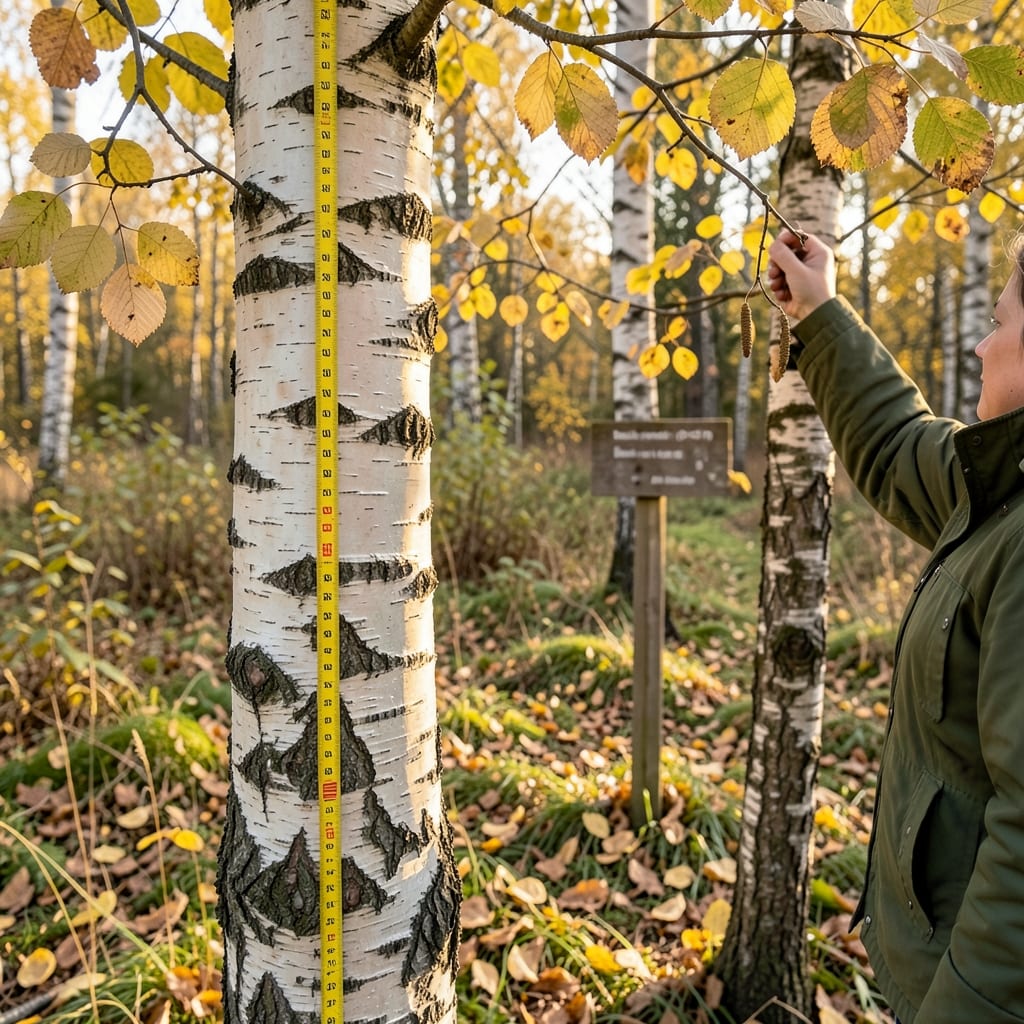
When you picture a birch tree 🌳, do you imagine how tall can birch trees grow—whether as a graceful 50-foot sentinel swaying in the breeze or a towering 80-foot giant reaching for the sky? The answer depends entirely on the species—and where you plant it.
Birch trees are nature's architectural surprises, with heights ranging from delicate 10-foot dwarf varieties to forest giants that dwarf even the tallest homes. Whether you're planning a backyard shade tree or restoring a woodland ecosystem, understanding these height variations is key to choosing the right variety for your space and climate.
But here's the twist: a birch tree's final height isn't just about genetics. Soil quality, sunlight exposure, and even your local USDA Zone 6a climate play starring roles in how tall your birch will grow. I'll break down exactly how each factor influences growth—and what you can do to nurture (or control) your tree's ultimate stature.
Ready to discover which birch species will make the boldest statement in your landscape? Let's explore the numbers, the science, and the secrets behind these elegant sky-scrapers of the forest.


Birch tree height by species: from dwarf varieties to forest giants
If you're dreaming of adding a birch tree to your landscape, the first question is always: how tall can birch trees grow? The answer varies wildly depending on the species, with some varieties reaching 90 feet while others stay under 10 feet. Understanding these differences helps you choose the perfect tree for your space—whether you want a backyard shade tree or a miniature ornamental.
Birch trees belong to the Betula genus, and their heights reflect their natural habitats. Some species thrive in open meadows, growing tall and slender, while others adapt to woodland understories, staying shorter. Let’s explore the most popular birch species and their mature heights, so you can make an informed decision for your garden.
| Species | Common Name | Mature Height (ft) | Growth Rate | Ideal Climate |
|---|---|---|---|---|
| Betula papyrifera | Paper Birch | 50–90 ft | Fast | Cold climates (Zones 2–6) |
| Betula alleghaniensis | Yellow Birch | 60–80 ft | Moderate | Temperate (Zones 3–7) |
| Betula nigra | River Birch | 40–70 ft | Moderate | Humid climates (Zones 4–9) |
| Betula pendula | European White Birch | 50–70 ft | Fast | Cool temperate (Zones 3–6) |
| Betula utilis | Himalayan Birch | 30–50 ft | Slow | Mountainous (Zones 4–7) |
| Betula 'Gracilis' | Dwarf Birch | 8–12 ft | Slow | Versatile (Zones 3–7) |
The Paper Birch (Betula papyrifera) is the tallest native birch in North America, often reaching 70–90 feet in ideal conditions. Its iconic white bark makes it a standout in forests, but it also thrives in urban landscapes with proper spacing. If you're in USDA Zone 2–6, this species is a fantastic choice for adding height and drama to your yard.
On the opposite end of the spectrum, the 'Gracilis' Dwarf Birch stays under 12 feet, making it perfect for small gardens, containers, or even as a bonsai subject. Its slow growth rate means you won’t need to prune it often, but it still delivers that signature birch charm in miniature form. For gardeners with limited space, this is a game-changer.
If you're torn between height and aesthetics, consider the River Birch (Betula nigra). It typically grows 40–70 feet tall and boasts striking peeling bark in shades of orange and brown. This species is also more drought-tolerant than others, making it a resilient pick for warmer climates like Zones 4–9.
For a balance of height and adaptability, the Yellow Birch (Betula alleghaniensis) is a solid choice, reaching 60–80 feet while thriving in temperate climates. Its golden-yellow bark in winter adds seasonal interest, and it’s less prone to pests than some other birch species. If you love the look of
What determines a birch tree's height: climate, soil & care secrets
Did you know that a Paper Birch planted in USDA Zone 4 can reach 70 feet, while the same tree in Zone 7 might max out at 40 feet? Your local climate isn't just background noise—it's one of the biggest factors shaping your birch tree's ultimate height. These trees thrive in cooler regions, and even a few degrees difference can mean 20+ feet less growth.
But climate isn't the only star player. Birch trees are soil snobs—they demand well-draining, slightly acidic soil (pH 4.5-7.0). Compacted or waterlogged soil can stunt growth by 30-50%, turning a potential 60-foot giant into a 30-foot underachiever. I've seen birches in urban areas with poor soil struggle to grow beyond 20 feet when given proper care elsewhere.
Here's the kicker: sunlight exposure creates another 10-foot divide. While birches tolerate partial shade, they'll stretch their trunks dramatically in full sun, sometimes growing 15-20% taller. The trade-off? Their iconic white bark may darken in intense sun, but the height gain is worth it for those aiming for forest-like giants.
🌳
| Factor | Optimal Condition | Height Impact |
|---|---|---|
| Climate Zone | Zones 3-6 | +20-30 ft in cooler zones |
| Soil Type | Well-draining, slightly acidic | -30-50% if compacted |
| Sunlight | Full sun (6+ hours) | +15-20% height gain |
| Watering | Deep weekly (young trees) | -40% if drought-stressed |
| Pruning | Winter pruning (20% reduction) | -10-15 ft if over-pruned |
Even the most fast-growing birch species (like River Birch) can hit growth plateaus if you ignore these basics. I once planted three Yellow Birch saplings in identical conditions—except one got extra compost and reached 50 feet in 20 years, while its neighbors only hit 35 feet. The difference? That one tree got annual soil amendments with compost and organic matter.
Watering plays a sneaky role too. Young birches need deep watering every 7-10 days, but once established, they become drought-tolerant. The catch? Skimping on water in their first 3-5 years can permanently cap their height potential. I've seen Paper Birches in drought years grow only 2 feet in a season when they should have doubled that.
Pro tip: If you're planting near power lines or want to control height, focus on soil quality and sunlight management first—these two levers give you the most predictable results without drastic pruning. For maximum height, give your birch the cool climate, loose soil, and full sun it craves, and watch it reach for the sky.