
Trees
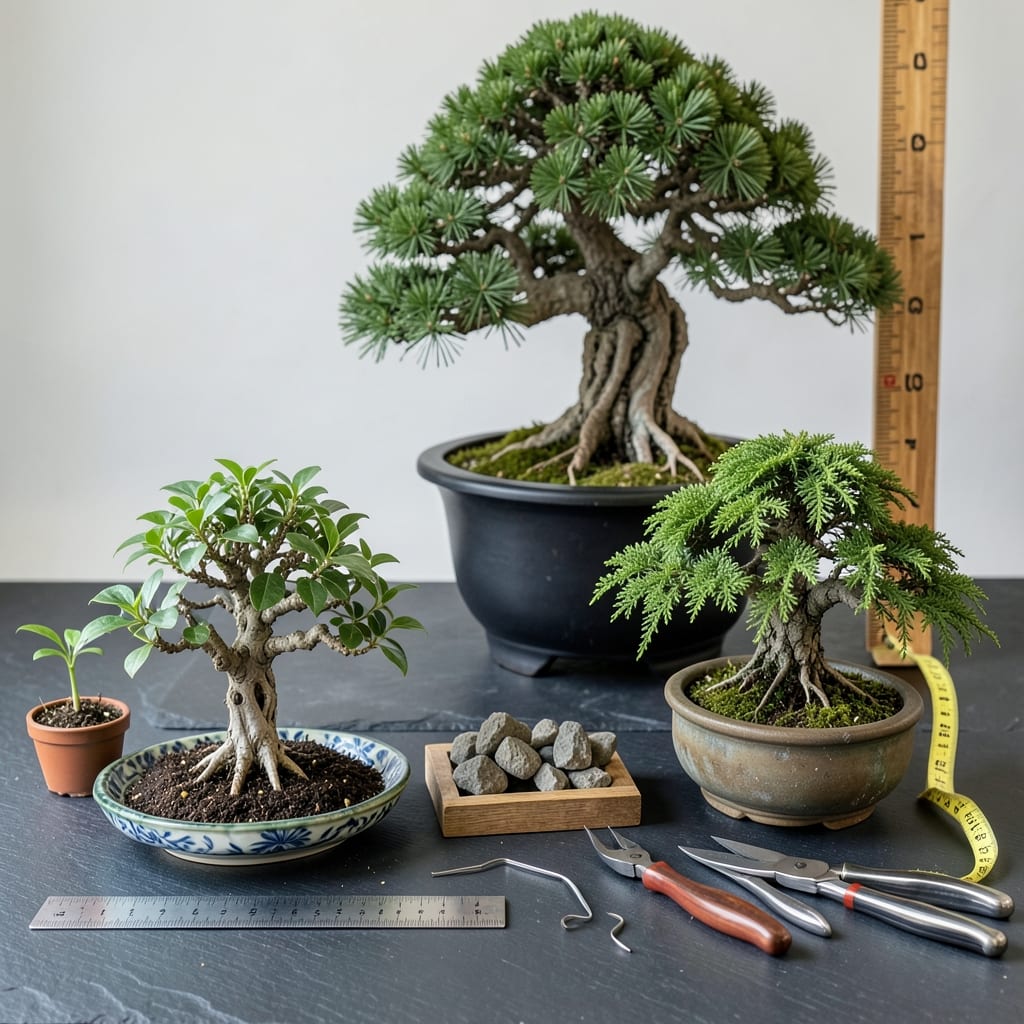
If you’ve ever dreamed of growing a bonsai tree 🌳 and wondered how tall can bonsai trees grow, the answer might surprise you. While most bonsai stay between 1-3 feet tall, some species naturally defy expectations—growing much taller if given the chance. The secret? It’s all in the species, pruning techniques, and a little patience.
Imagine a Black Pine bonsai reaching 10 feet or more while still maintaining its delicate, miniature aesthetic—yes, it’s possible! But for most beginners, the magic happens in the pruning and root restriction techniques that shape these trees over time. Whether you want a tiny tabletop masterpiece or a bold statement piece, understanding these factors is key.
In this guide, I’ll break down the natural height limits of popular bonsai species, from dwarf junipers to towering oaks, and share the pruning secrets that keep them at your desired size. You’ll also discover how to balance artistic vision with plant health—because even the tallest bonsai starts as a tiny seedling.
Ready to transform your green thumb into a bonsai artist? Let’s explore how to control height, choose the right species, and cultivate a tree that’s as unique as it is stunning.


Natural height limits of popular bonsai tree species
When you think of bonsai trees, images of delicate, miniature trees often come to mind—but the truth is far more fascinating. While most bonsai stay between 1-3 feet tall, their potential height varies wildly by species. Some, like the Juniper bonsai, naturally top out at just 12-18 inches, while others, such as the Black Pine, can reach 10 feet or more with the right care. The key lies in understanding each species' inherent growth potential and how bonsai artists manipulate it through pruning and root restriction.
The magic of bonsai begins with selecting the right species for your vision. For example, a Ficus bonsai typically matures between 1-2 feet, while a Japanese Maple can stretch to 3-4 feet while still maintaining its refined appearance. Even within a single species, dwarf varieties exist—like the Dwarf Gardenia, which rarely exceeds 1 foot in height. Your choice of species isn’t just about aesthetics; it’s about aligning your artistic goals with the plant’s natural tendencies.
Here’s a quick look at how some of the most popular bonsai species compare in terms of height potential. Remember, these are natural limits—with patience and skill, you can push boundaries or keep them even smaller.
| Species | Wild Mature Height | Bonsai Height Range | Notes |
|---|---|---|---|
| Juniper (e.g., Procumbens) | 30-50 ft | 1-2 ft | Slow-growing; ideal for beginners |
| Ficus (e.g., Retusa) | 50-100 ft | 1-3 ft | Forgiving; great for indoor bonsai |
| Black Pine (Pinus thunbergii) | 30-50 ft | 3-10+ ft | Classic; can be trained tall |
| Japanese Maple (Acer palmatum) | 20-30 ft | 2-4 ft | Stunning foliage; needs shade |
| Azalea (Rhododendron) | 6-10 ft | 1-2 ft | Flowering; prefers acidic soil |
| Oak (Quercus) | 60-80 ft | 4-6 ft (or taller) | Long-lived; requires patience |
| Dwarf Gardenia | 6-10 ft | 6-12 inches | Fragrant; slow-growing |
The wild mature height of a species gives you a clue about its potential in bonsai form. For instance, a Juniper that grows 50 feet tall in nature can still be kept under 2 feet as a bonsai, thanks to root pruning and defoliation. Meanwhile, a Black Pine, which also reaches 50 feet in the wild, can be trained to 10 feet or more while still looking like a miniature forest giant. The art lies in balancing the plant’s natural growth with your creative vision.
If you’re a beginner, I recommend starting with slow-growing species like Juniper or Ficus. They’re forgiving and easier to control, giving you time to master the basics of pruning and wiring before tackling taller varieties. For example, a Ficus bonsai might grow 6 inches in a year, while a Black Pine could add 12 inches or more—so your pruning schedule will need to adjust
Can you grow a 'tall' bonsai? Species that defy miniature expectations
While most bonsai trees stay between 1-3 feet tall, some species naturally grow much taller when cultivated as bonsai—challenging the classic "miniature tree" perception. These unconventional bonsai can reach 6-10 feet or more while maintaining their artistic form. The key? Choosing the right species and embracing bold styling techniques that celebrate height rather than restraint.
For example, a Black Pine bonsai (Pinus thunbergii) can grow 10+ feet tall while still showcasing its rugged, windswept beauty. Similarly, Oak bonsai (Quercus species) and Wisteria bonsai often exceed 6 feet in height, creating dramatic focal points in gardens. These trees aren’t just tall—they’re statement pieces that redefine what bonsai can be.
Here’s the catch: these "tall" bonsai require larger pots, deeper root systems, and strategic pruning to maintain health. Unlike traditional bonsai, which rely on root restriction to stay small, these giants need room to grow while still being shaped with precision. It’s all about balancing natural growth potential with artistic vision.
If you’re dreaming of a tall bonsai, start with a young, healthy specimen and invest in a large, shallow pot (e.g., 12-18 inches wide) to accommodate root growth. Avoid over-pruning the roots—these trees need depth and stability to support their height. For example, a 10-foot Black Pine bonsai might take 20-30 years to cultivate, but the reward is a living work of art that commands attention.
Pro tip: Pair your tall bonsai with complementary ground cover or smaller bonsai to create a balanced display. For instance, a 6-foot Oak bonsai looks stunning alongside a 2-foot Juniper bonsai—the contrast adds depth to your collection. Just remember, taller bonsai need more frequent watering, stronger supports, and careful wiring to stay healthy and stunning.
Ready to challenge the status quo? With the right species and techniques, you can grow a bonsai that reaches for the sky—literally. Start small, dream big, and let your tree grow into the masterpiece you’ve always imagined. 🌳