
How To
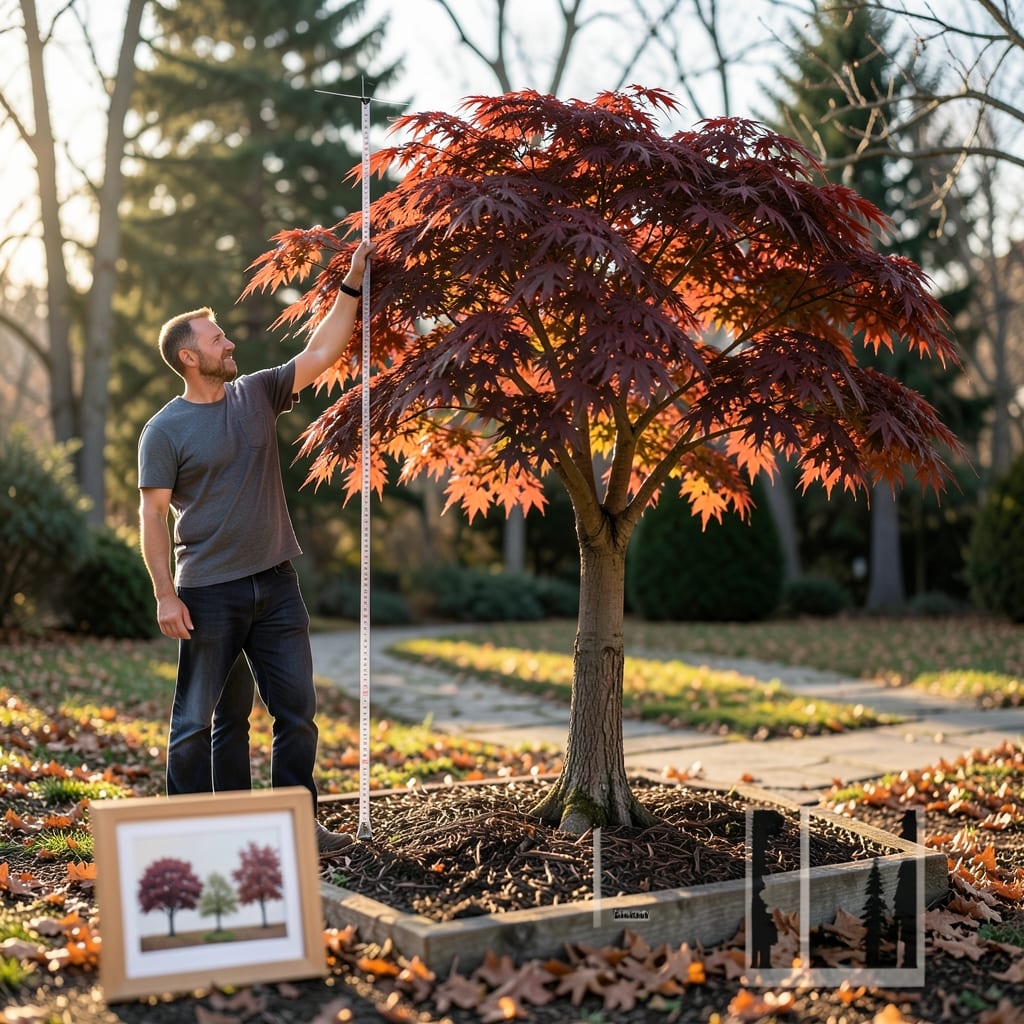
If you're dreaming of a stunning Japanese Maple 🌿 in your yard, you might be wondering just how tall these graceful trees can grow. The answer isn't one-size-fits-all—some varieties stay compact enough for small gardens, while others reach towering heights that make them landscape stars.
Understanding these height differences is key to choosing the right variety for your space. Whether you're working with a cozy backyard or a sprawling property, knowing the mature size helps you plan everything from planting spots to long-term care. I'll break down the most popular varieties and what to expect from each.
From dwarf types that barely top 6 feet to majestic specimens reaching 30 feet or more, Japanese Maples offer incredible diversity. The good news? Their slow growth means you won't see dramatic changes overnight, giving you plenty of time to shape their future.
Ready to find the perfect fit for your garden? Let's explore how to match your space with the ideal Japanese Maple—and how to keep it thriving at the right height for years to come.


Japanese Maple tree height by variety: dwarf to giant sizes explained
Japanese maples offer a stunning range of sizes, from delicate dwarf varieties perfect for containers to towering specimens that become landscape centerpieces. The mature height of your tree depends entirely on the variety you choose—some stay under 6 feet, while others reach 30 feet or more.
For gardeners with limited space, dwarf varieties like 'Tamukeyama' or 'Shishigashira' are ideal, topping out around 6-10 feet. Meanwhile, standard varieties such as 'Bloodgood' or 'Seiryu' can grow 20-30 feet tall, making them better suited for large properties or as shade trees.
The key to selecting the right variety lies in understanding their growth habits. Most Japanese maples grow slowly—typically 6-12 inches per year—so you won't see dramatic changes overnight. This slow growth gives you time to shape their development, but it also means planning ahead for their eventual mature size.
Here’s a quick comparison of popular varieties and their typical mature heights to help you visualize their potential in your garden:
| Variety | Mature Height (ft) | Spread (ft) | Growth Rate | Best For |
|---|---|---|---|---|
| 'Tamukeyama' | 6-10 | 4-6 | Slow | Containers, small gardens |
| 'Shishigashira' | 8-12 | 6-8 | Slow | Bonsai, patio planting |
| 'Bloodgood' | 20-25 | 15-20 | Moderate | Large gardens, shade trees |
| 'Seiryu' | 25-30 | 15-20 | Slow to moderate | Statement trees, parks |
| 'Crimson Queen' | 15-20 | 10-15 | Slow | Medium gardens, accent planting |
When choosing a variety, consider not just the height but also the spread of the tree. Some varieties, like 'Bloodgood,' have a wide canopy that requires ample space, while others like 'Tamukeyama' stay compact and work well in containers or small yards.
For example, if you're working with a 6-foot-tall space, a 'Shishigashira' Japanese Maple will thrive beautifully in a large pot on your patio. On the other hand, if you have a spacious backyard, a 'Seiryu' can become a breathtaking focal point with its towering height and striking foliage.
Another factor to consider is the growth rate. While most Japanese maples grow slowly, some varieties like 'Bloodgood' may grow a bit faster, reaching 12 inches per year under ideal conditions. This means you’ll need to plan for their eventual size sooner rather than later.
If you're unsure about which variety to choose, start by assessing your garden's available space. Measure the area where you plan to plant the tree, and use this as a guide to
How to control Japanese Maple tree height: pruning and growth tips
Managing the height of your Japanese Maple 🌿 is all about timing, technique, and understanding how these trees respond to pruning. Unlike fast-growing trees, Japanese maples grow slowly—typically 6-12 inches per year—so you have plenty of time to guide their shape. The key is to prune at the right time and use the right methods to control vertical growth without harming the tree.
Most gardeners make the mistake of pruning at the wrong time of year. Late winter or early spring (just before buds swell) is ideal for shaping your Japanese Maple. This timing encourages healthy new growth while minimizing stress on the tree. Avoid heavy pruning in fall or winter, as this can leave wounds vulnerable to disease and pests.
Here’s a critical warning about pruning mistakes that can stunt growth or damage your tree:
- Topping (cutting back to a stub) – Causes weak, unsightly regrowth and invites disease.
- Pruning in hot summer months – Stress from heat + pruning can shock the tree.
- Removing too many branches at once – Over-pruning weakens the tree’s structure.
Japanese maples are sensitive to aggressive pruning—always remove no more than 25% of the canopy in a single session.
To control height effectively, focus on selective pruning. Remove branches from the lower third of the tree to encourage upward growth, but leave the upper branches intact to maintain the tree’s natural shape. For varieties like 'Bloodgood' that tend to grow taller, aim to prune 1-2 branches per year to keep them manageable.
Another powerful tool for managing height is root pruning. If your Japanese Maple is growing too quickly, gently prune the roots (especially if it’s in a container) to slow vertical growth. This technique works best in early spring before new shoots emerge. Just be cautious—over-pruning roots can stress the tree, so limit this to 10-15% of the root system at a time.
Soil and nutrients also play a role in height control. Japanese maples thrive in well-draining, acidic soil with a balanced fertilizer (10-10-10) applied in early spring. Avoid heavy nitrogen fertilizers, which can encourage rapid (and often unruly) growth. Instead, focus on slow-release fertilizers to promote steady, controlled development.
For container-grown Japanese maples, height management becomes even simpler. Since their roots are naturally restricted, they’ll grow more slowly and stay compact. Just ensure your pot has adequate drainage and refresh the soil every 2-3 years to prevent root-bound stress, which can spur erratic growth patterns.