
Flowers
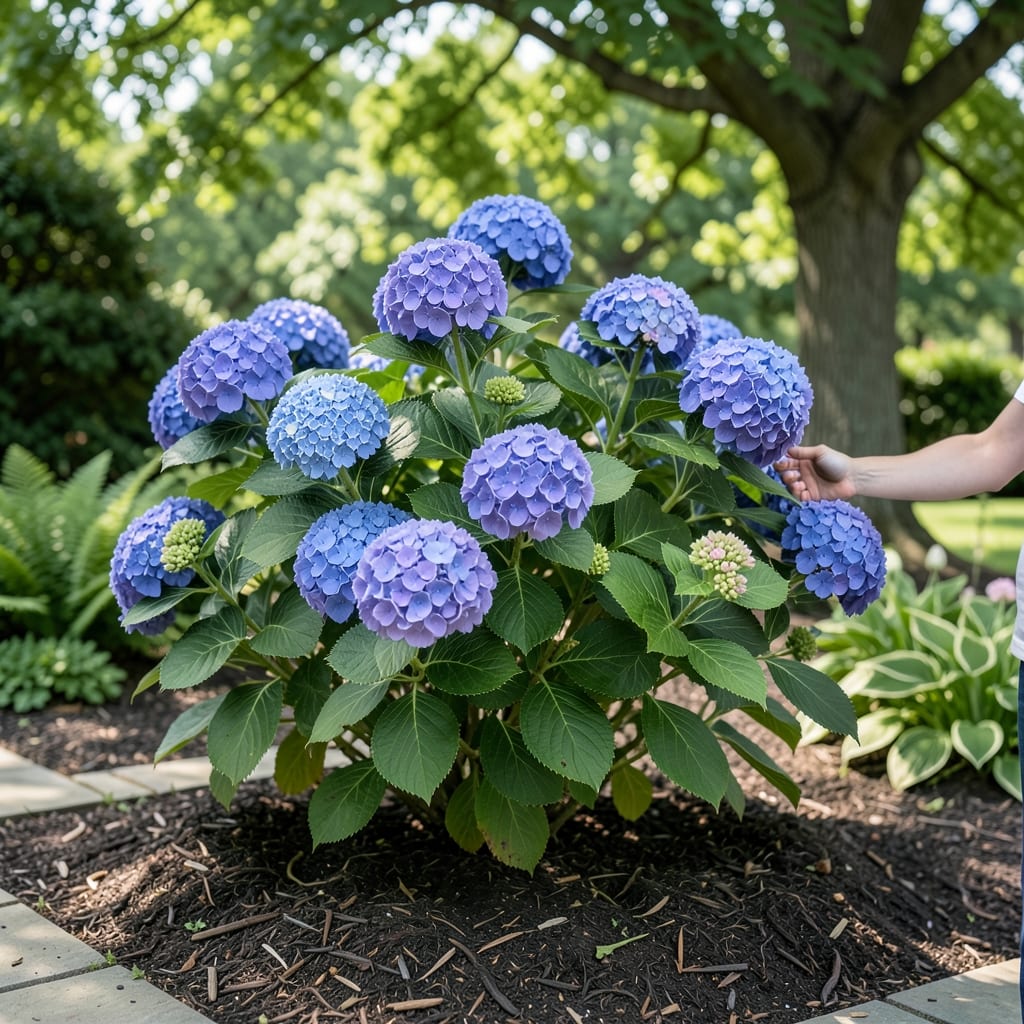
Planning your dream garden but not sure how tall and wide hydrangeas grow? Picking the wrong variety could mean your stunning 🌸 hydrangeas end up dwarfing your patio or disappearing in your backyard. The right choice means vibrant blooms that fit perfectly—and knowing the exact size ranges for each type is the secret to nailing your garden layout.
From the compact 2–4 ft 'Little Lime' that thrives in containers to the towering 6–8 ft 'Limelight' that makes a bold statement, hydrangeas come in all shapes and sizes. I’ll break down the most popular varieties so you can visualize exactly how they’ll fill your space—whether you’re working with a cozy balcony or a sprawling landscape.
But here’s the catch: pruning makes all the difference. A well-timed trim can keep your hydrangeas lush and manageable, while neglect might turn them into unruly giants. I’ll share the pruning rules for each type so you can control their growth and keep those blooms coming year after year.
Ready to pick the perfect hydrangea for your garden? Let’s dive into the size guide and care tips that’ll help you create the showstopping display you’ve been dreaming of.


Hydrangea size guide: mature height and spread by popular varieties
Choosing the right hydrangea variety starts with knowing their mature size—because what looks perfect on your neighbor’s porch might overwhelm your small balcony. The Bigleaf hydrangea (Hydrangea macrophylla) typically reaches 3–6 ft tall and 3–5 ft wide, making it ideal for garden beds or as a specimen plant. But if you’re working with limited space, compact varieties like 'Endless Summer' (4–5 ft tall) or 'Little Lime' (2–3 ft tall) are game-changers.
For those who love bold statements, Panicle hydrangeas (Hydrangea paniculata) like 'Limelight' or 'Little Quickfire' can grow 6–8 ft tall and 4–6 ft wide, perfect for tall hedges or privacy screens. Meanwhile, Oakleaf hydrangeas (Hydrangea quercifolia) add texture with their unique foliage, reaching 5–8 ft tall and 4–6 ft wide—great for woodland gardens.
Don’t overlook Smooth hydrangeas (Hydrangea arborescens), which stay shorter (3–5 ft tall and 3–4 ft wide) but pack a punch with their abundant blooms. Varieties like 'Annabelle' or 'Incrediball' are perfect for containers or foundation plantings. Each type has its own growth quirks, so let’s break down the specifics to help you pick the perfect fit.
| Variety | Mature Height | Mature Width | Sunlight Needs | Best For |
|---|---|---|---|---|
| Bigleaf ('Endless Summer') | 4–5 ft | 3–4 ft | Partial shade | Garden beds, containers |
| Bigleaf ('Little Lime') | 2–3 ft | 2–3 ft | Partial shade | Containers, small spaces |
| Panicle ('Limelight') | 6–8 ft | 4–6 ft | Full sun to partial shade | Hedges, privacy screens |
| Panicle ('Little Quickfire') | 3–4 ft | 3–4 ft | Full sun | Containers, small gardens |
| Oakleaf ('Snow Queen') | 5–8 ft | 4–6 ft | Partial shade | Woodland gardens |
| Smooth ('Annabelle') | 3–5 ft | 3–4 ft | Full sun to partial shade | Foundation plantings |
If you’re planning for year-round interest, Oakleaf hydrangeas are winners—their fall foliage turns fiery red, adding seasonal drama. Meanwhile, Panicle hydrangeas like 'Firelight' or 'Gold Rush' produce late-season blooms that last well into autumn, giving you extra curb appeal. For container gardening, stick to dwarf varieties like 'Mini Penny' (2–3 ft) or 'Bobo' (3–4 ft), which thrive in pots and can even be moved indoors during winter.
One critical factor that affects height and spread is soil quality. Hydrangeas love moist, well-draining soil with a
How pruning affects Hydrangea growth: when, why, and how to control size
Pruning isn’t just about keeping your hydrangeas tidy—it’s the secret weapon for controlling their height and spread. The wrong cuts can turn your 3-foot 'Endless Summer' into a 6-foot monster, while smart trimming keeps even large varieties like 'Limelight' (6–8 ft) manageable. Timing matters most: prune at the wrong season, and you might sacrifice next year’s blooms.
Most hydrangeas bloom on new wood (current season’s growth), so deadheading spent flowers in late summer encourages more blooms. But Oakleaf hydrangeas bloom on old wood, so prune them right after flowering—or you’ll lose next year’s blooms entirely. This one rule alone can halve your plant’s size if done correctly.
Here’s the golden rule: Never prune before mid-spring unless you’re dealing with a panicle-type like 'Little Lime' (2–4 ft). These varieties thrive with hard pruning in late winter, while bigleaf types need gentle trimming after blooming. Skipping this step means your hydrangeas will grow wildly unbalanced, with leggy stems and sparse blooms.
For panicle hydrangeas like 'Grandiflora,' prune in late winter/early spring to encourage taller, bushier growth. Cut back 1/3 of the oldest stems to the ground, and watch your plant double in width while staying compact. This method works wonders for 'Vanille Fraise' (4–6 ft), turning it from a sprawling mess into a neat, blooming machine.
Container growers, listen up: Prune early and often to keep dwarf varieties like 'Mini Penny' (2–3 ft) from outgrowing their pots. Trim back 1/4 of the stems every 6–8 weeks during growing season, and your hydrangeas will stay dense and proportional to their container size. Neglect this, and you’ll end up with a root-bound giant that’s impossible to manage.
Pro tip: Shape your hydrangeas like a lollipop—cut back 1/3 of the oldest stems to the ground while leaving younger stems intact. This creates a fuller base and encourages upward growth. Over time, your 6-foot 'Nikko Blue' will stay proportionally balanced, with blooms at eye level instead of towering over your patio.