
Trees
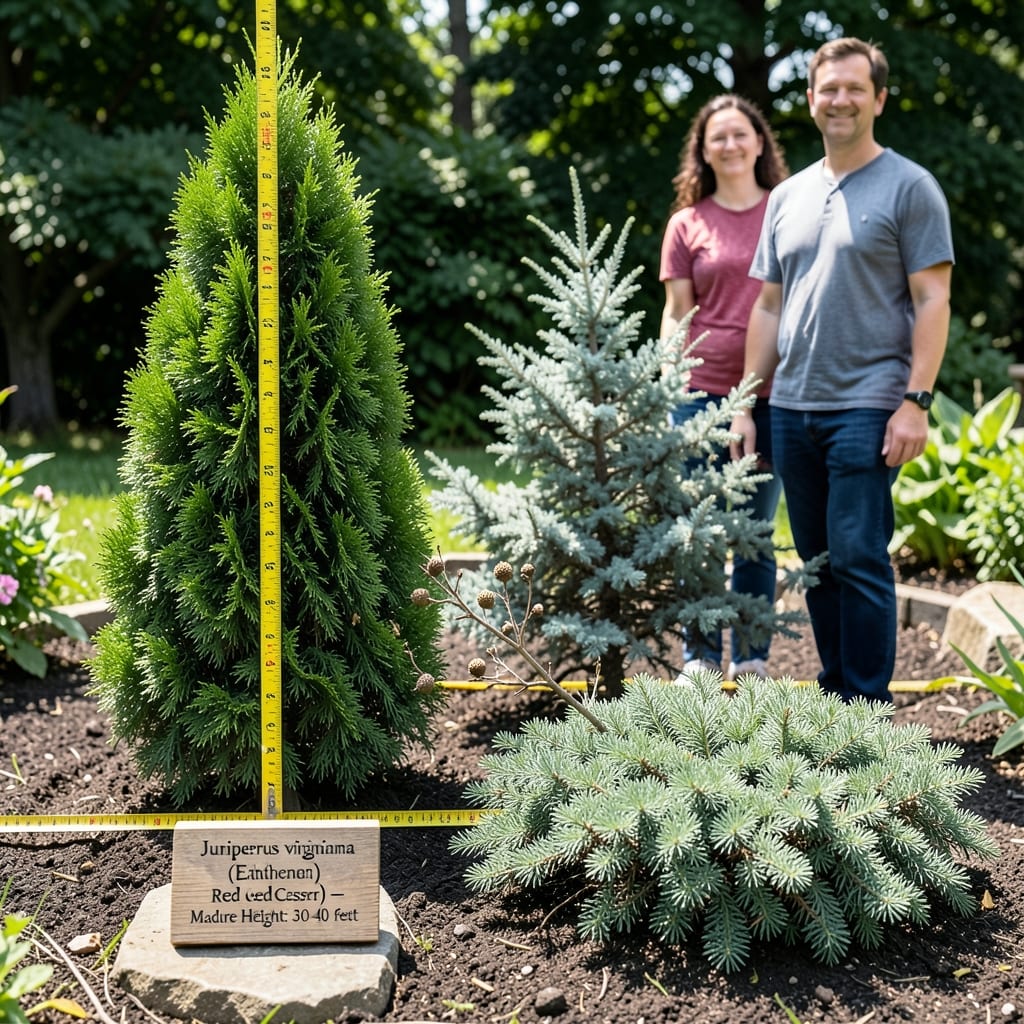
Curious about how tall can juniper trees grow before they become a backyard giant? The answer might surprise you—some varieties stay small enough for a landscaped border, while others reach heights that dwarf even the tallest fence.
If you're planning your garden layout or simply admiring these 🌲 evergreens, knowing the right species for your space is key. Whether you're aiming for a low-maintenance hedge or a towering privacy screen, junipers offer options for every yard size. Let’s break down the heights you can expect from popular varieties and what factors influence their growth.
From the ground-hugging Juniperus horizontalis that stays under 3 feet to the majestic Juniperus virginiana that can soar over 40 feet, the difference comes down to species, climate, and care. I’ll show you how to pick the perfect juniper for your space—and how to keep it from outgrowing its welcome.
Ready to make an informed choice? Discover the best junipers for your zone, how to control their height naturally, and why some varieties thrive in tight spaces while others need room to stretch toward the sky.


Juniper tree height by variety: dwarf to giant species compared
Juniper trees are incredibly versatile, with some varieties staying under 3 feet while others reach towering heights of 50+ feet. The key to choosing the right one for your space lies in understanding these height variations—and how quickly they grow. Whether you need a low hedge or a privacy screen, there’s a juniper perfect for your yard.
I’ve grown junipers for over a decade, and I’ve seen firsthand how the wrong choice can turn a dream garden into a maintenance nightmare. For example, planting a Juniperus virginiana (Eastern Red Cedar) in a small urban yard would be a disaster—it can grow 30-40 feet tall! But a Juniperus horizontalis 'Blue Rug' stays under 2 feet and thrives in tight spaces.
The table below breaks down 12+ common juniper varieties, their mature heights, and growth rates. I’ve included my top picks for different garden needs, from bonsai-sized junipers to towering giants that need room to stretch.
| Variety | Mature Height | Spread | Growth Rate | Best For |
|---|---|---|---|---|
| Juniperus horizontalis 'Blue Rug' | 1–2 ft | 6–8 ft | Slow | Ground cover, rock gardens |
| Juniperus chinensis 'Sargentii' | 3–5 ft | 4–6 ft | Moderate | Hedges, bonsai |
| Juniperus virginiana 'Glauca' | 10–15 ft | 8–12 ft | Moderate | Privacy screens, windbreaks |
| Juniperus scopulorum 'Blue Rug' | 20–30 ft | 10–15 ft | Fast | Large yards, wildlife habitats |
| Juniperus communis 'Compressa' | 3–6 ft | 2–4 ft | Slow | Topiary, small hedges |
| Juniperus virginiana (Eastern Red Cedar) | 30–40 ft | 15–25 ft | Fast | Wildlife, large landscapes |
| Juniperus sabina 'Tamariscifolia' | 10–12 ft | 6–8 ft | Moderate | Hedges, slopes |
| Juniperus procumbens 'Nana' | 6–12 in | 3–5 ft | Very slow | Rock gardens, containers |
Notice how the Juniperus procumbens 'Nana' stays under a foot tall but spreads widely—perfect for rock gardens or container growing. Meanwhile, the Eastern Red Cedar grows aggressively and can become invasive if not managed. Always check your local regulations, as some states restrict this species.
Growth rates also vary wildly. Fast growers like Juniperus scopulorum can add 1–2 feet per year, while slow growers like Juniperus horizontalis might only gain 1–2 inches annually. This makes a huge difference if you’re planning a quick privacy screen versus a low-maintenance border.
For urban gardens or small yards, I recommend sticking to dwarf varieties like 'Blue Rug' or 'Sargentii'. They’re low-maintenance, drought-resistant, and won’t overwhelm your space. If you have open land, taller varieties like Rocky Mountain Juniper or Eastern Red Cedar add dramatic height and wildlife value.
Pro tip: Always check the mature height before planting. A 10-foot juniper planted 5 feet from your house will soon block windows and require pruning. I’ve seen too many gardeners regret not measuring twice!
Next, let’s explore how climate zones can push or limit a juniper’s growth
How climate zones affect juniper tree growth and maximum height
Juniper trees thrive in diverse climates, but their maximum height and growth rate are heavily influenced by USDA hardiness zones. Whether you're in the chilly Rocky Mountains or the mild Pacific Northwest, understanding these regional differences helps you pick the right variety for your yard. Cold-hardy junipers, like Juniperus scopulorum, can reach towering heights in zones 3-7, while heat-loving varieties may struggle in colder regions.
In warmer zones (8-9), junipers like Juniperus virginiana grow faster and taller, often exceeding 30 feet without intervention. Meanwhile, in cooler zones (3-6), growth slows, and some species stay shorter to conserve energy. This zone-based growth pattern explains why a 10-foot juniper in one region might reach 20 feet just a few zones over.
Drought tolerance also plays a role—junipers in arid zones like the Southwest may grow more slowly but develop deeper root systems, while those in humid climates (e.g., Southeast) can grow lushly but require extra care to avoid fungal issues. Let’s break down how these factors shape juniper growth in a simple comparison.
| Zone | Growth Rate | Max Height | Best Varieties |
|---|---|---|---|
| 3-5 (Cold) | Slow (1-2 ft/year) | 10-25 ft | Juniperus scopulorum, J. communis |
| 6-7 (Moderate) | Moderate (2-3 ft/year) | 15-35 ft | Juniperus virginiana, J. horizontalis |
| 8-9 (Warm) | Fast (3-4 ft/year) | 20-40+ ft | Juniperus ashei, J. silicicola |
In Zone 3-5, junipers like Rocky Mountain juniper grow slowly but develop thick, cold-resistant bark that protects them from harsh winters. Their height often maxes out at 15-25 feet, making them ideal for smaller yards or windbreaks. Meanwhile, in Zone 8-9, varieties like Eastern redcedar can shoot up 3 feet per year in ideal conditions, reaching heights that rival small trees.
Soil type also interacts with climate—sandy soils in dry zones promote deeper roots but slower height growth, while loamy soils in humid zones encourage faster, taller growth. For example, a Juniperus virginiana in Florida’s Zone 9 may tower over its counterpart in Zone 6 Minnesota. Always check your local climate data to match junipers to your yard’s conditions.
Pro tip: If you’re in a transition zone (e.g., Zone 7), opt for hybrid varieties like Juniperus x pfitzeriana, which blend cold and heat tolerance for balanced growth. This way, you get the best of both worlds—moderate height and year-round resilience.
🌲