
Trees
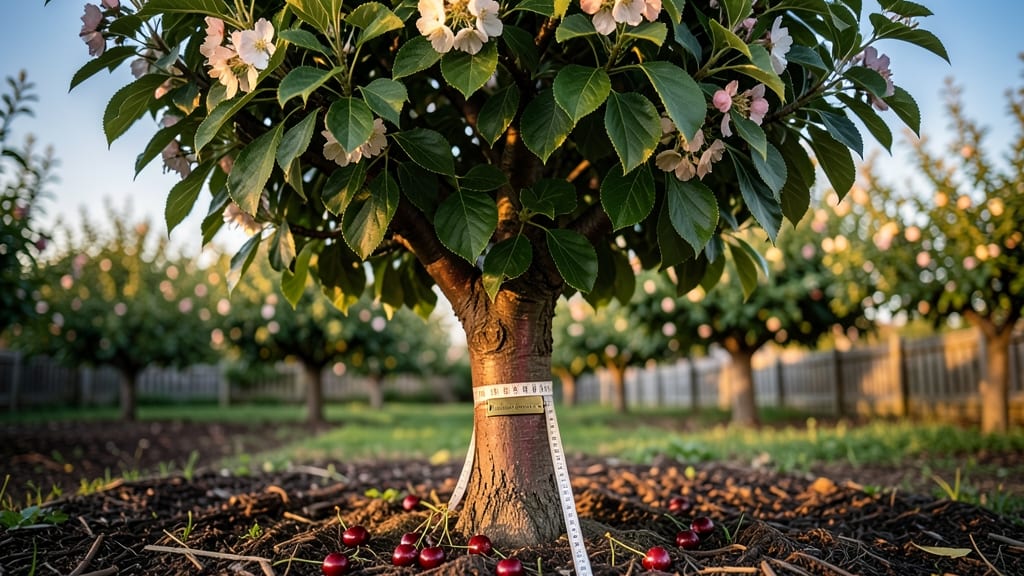
Wondering how tall do Rainier cherry trees grow before they tower over your backyard? These sweet, juicy 🍒 trees can reach an impressive 15 to 25 feet at maturity—about the height of a two-story house—making them a stunning but space-conscious choice for home gardens.
If you're planning to plant one, knowing the mature size helps you decide where to place it. Too close to your house or driveway, and you’ll spend more time pruning than picking cherries.
But with the right spacing and care, you can enjoy their lush canopy and delicious harvest for decades.
The good news? Rainier cherries grow at a steady pace—about 2 to 3 feet per year—so you’ll have plenty of time to adjust your landscape plans. Whether you’re a first-time gardener or a seasoned grower, understanding their height helps you avoid common mistakes like overcrowding or poor fruit access.
Let’s break down what you need to know about managing their size, from spacing tips to pruning tricks, so your Rainier cherry tree thrives without taking over your yard.


Rainier cherry tree height by variety: mature size ranges and growth habits
When planning your Rainier cherry tree dream garden, knowing its mature height is the first step to success. These sweet-tart cherries grow between 15-25 feet tall at maturity, making them a statement piece in any landscape.
The exact height depends on the variety and growing conditions, so let’s break down what to expect from your new tree.
Standard Rainier cherry trees typically reach 20-25 feet tall, while semi-dwarf varieties (though rare for Rainiers) might top out around 12-15 feet. Dwarf varieties don’t exist for Rainiers, but some grafted trees can be kept smaller with proper pruning techniques.
Understanding these ranges helps you plan spacing, pruning, and even ladder needs for harvest time!
Here’s how Rainier cherries compare to other popular cherry varieties like Bing or Stella. While Bing cherries also reach 20-25 feet, Rainiers tend to grow slightly faster—adding 2-3 feet per year in ideal conditions.
This rapid growth means your tree will quickly become a focal point in your yard.
| Variety | Mature Height | Growth Rate | Notes |
|---|---|---|---|
| Standard Rainier | 15-25 ft | 2-3 ft/year | Full-size, needs space |
| Semi-Dwarf Rainier (grafted) | 12-15 ft | 1.5-2.5 ft/year | Requires pruning |
| Bing Cherry (comparison) | 20-25 ft | 1.5-2.5 ft/year | Slower growth |
| Stella Cherry (comparison) | 12-15 ft | 1-2 ft/year | Dwarf variety |
Your Rainier cherry tree’s height isn’t just about aesthetics—it affects fruit production and maintenance ease. Taller trees produce more cherries but require stronger branches to support the weight.
If you’re in a smaller yard, consider planting near a fence or wall for support, or choose a semi-dwarf grafted variety if available.
Climate plays a huge role in height. In warmer zones (7-8), Rainier cherries grow faster and can reach 25 feet sooner. In cooler zones (5-6), expect slower growth—closer to 15-20 feet—due to shorter growing seasons. Always check your USDA hardiness zone before planting to avoid disappointment.
One common misconception is that pruning can drastically reduce a Rainier’s height. While you can control growth with pruning, these trees are genetically programmed to reach their mature size.
Heavy pruning might keep it at 12-15 feet, but it’ll still grow taller over time without intervention. Think of pruning as shaping, not shrinking.
For first-year growth, expect your Rainier cherry to shoot up 3-5 feet if planted in spring. By year three, it’ll likely be 12-18 feet tall, making it a rapid grower compared to many fruit trees.
This quick ascent means you’ll need to plan for ladder access or even a small orchard ladder for harvesting those sweet, juicy cherries!
If you’re planting multiple Rainier cherry trees, remember they need 15-25 feet of space between each tree. This prevents root competition, improves air circulation (reducing disease), and ensures each tree gets enough sunlight.
Crowding trees together can stunt growth and lead to poor fruit quality, so spacing is just as important as choosing the right variety.
For those with limited space, consider container growing—though Rainiers aren’t ideal for this due to their size. Instead, opt for dwarf cherry varieties like Stella or Lapins if you want cherries without the towering height.
But if you love the idea of a classic fruit tree experience, embrace the height and enjoy the shade (and cherries!) your Rainier will provide for decades.
Rainier cherry tree height by variety: mature size ranges and growth habits
Rainier cherry trees are prized for their sweet-tart fruit and stunning spring blossoms, but their mature height can vary significantly based on variety and growing conditions.
Most standard Rainier cherries reach 15-25 feet tall at maturity, with a spread of 12-15 feet, making them a substantial addition to any landscape. Unlike dwarf varieties of other fruit trees, Rainier cherries typically don’t come in compact forms, so space planning is essential.
The growth rate of Rainier cherries is impressive, with young trees gaining 2-3 feet per year during their first decade. By year 3, they can already stand 12-18 feet tall, which is why many gardeners opt for container planting in their early years before transplanting to permanent locations.
This rapid growth means your tree will quickly outpace expectations if not managed properly.
Here’s how Rainier cherries compare to other popular cherry varieties in terms of height and growth habits:
One key factor influencing height is the climate zone. In warmer zones (7-8), Rainier cherries may grow slightly taller and faster due to longer growing seasons, while in cooler zones (5-6), their growth might be slightly slower but still robust.
Additionally, soil quality and water availability play roles—well-draining, nutrient-rich soil encourages healthier, more vigorous growth.
If you’re concerned about height, consider pruning techniques like open-center shaping or central leader training to manage growth. These methods not only control height but also improve airflow and sunlight penetration, which are critical for fruit production and disease prevention.
For example, pruning in late winter (just before buds swell) can help direct energy toward horizontal branching rather than vertical growth.
For gardeners with limited space, planting Rainier cherries near fences or trellises can work, but be prepared for regular pruning to keep them manageable. Just remember: these trees thrive when given room to grow, so proper spacing is key to avoiding overcrowding and ensuring abundant harvests for years to come.
🌳