
Size
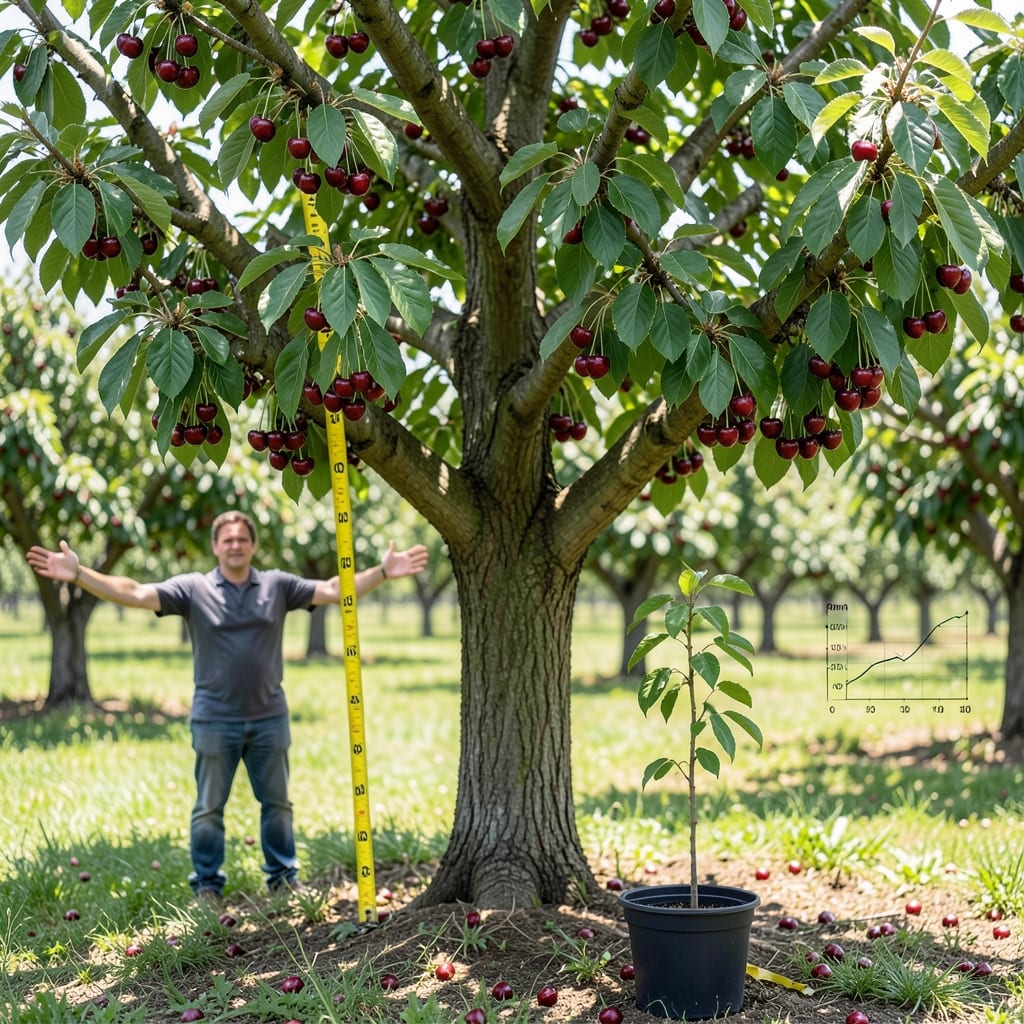
If you’ve ever wondered how tall cherry trees can grow, you might be surprised by how much space they can demand. The answer depends entirely on the variety you choose, with some reaching towering heights of 60 feet or more—taller than most two-story houses!
But don’t let that intimidate you. Whether you’re working with a small urban garden or a spacious rural yard, there’s a cherry tree size perfect for your space. Dwarf varieties stay under 15 feet, while standard types can soar to 25-60 feet, making them a stunning focal point. The key is understanding your options before planting.
In this guide, I’ll break down the height ranges of popular cherry tree varieties—from compact Prunus avium (sweet cherries) to sprawling Prunus cerasus (sour cherries)—and share practical tips for managing their growth. You’ll learn how pruning, soil quality, and sunlight exposure can influence their height, so you can plan your backyard oasis with confidence.
Ready to pick the perfect cherry tree for your yard? Let’s explore how to balance your space needs with the dream of a lush, fruit-bearing canopy—without sacrificing your lawn or driveway!


Cherry tree height by variety: dwarf to giant growth ranges
If you're dreaming of a cherry tree in your yard, the first question to ask isn't just how tall can cherry trees grow, but which variety fits your space. Cherry trees come in stunning diversity—from dwarf varieties perfect for small gardens to giant trees that need acres to stretch their branches. Let's explore the height ranges so you can pick the perfect match for your landscape.
Understanding these heights helps with long-term planning. A standard sweet cherry tree might eventually tower over your house, while a dwarf tart cherry could fit neatly into a patio corner. The key is matching the tree's mature size to your yard's available space and your vision for its role in your garden.
🍒 Did You Know? Some cherry trees can grow three times taller than others, depending on their genetic background and growing conditions.
| Variety | Mature Height | Best For | Space Needs |
|---|---|---|---|
| Dwarf Sweet Cherry (Prunus avium) | 8–15 ft | Containers, small yards | 6–10 ft clearance |
| Semi-Dwarf Tart Cherry (Prunus cerasus) | 15–25 ft | Medium yards, urban landscapes | 12–15 ft clearance |
| Standard Sweet Cherry (Prunus avium) | 25–40 ft | Large properties, orchards | 20+ ft clearance |
| Giant Black Cherry (Prunus serotina) | 40–60 ft | Woodlands, large estates | 30+ ft clearance |
| Columnar Cherry (Prunus avium) | 12–20 ft | Narrow spaces, privacy screens | 5–8 ft width |
For example, the Stella® cherry, a popular dwarf sweet cherry, typically stays between 8–12 feet tall, making it ideal for suburban backyards. On the other hand, the Black Tartarian cherry, a standard variety, can reach 30–40 feet, requiring a spacious area to thrive without crowding nearby structures.
When selecting a variety, consider not just the mature height but also the spread. Some trees, like the columnar cherries, grow narrow and tall, while others, like the standard sweet cherries, develop wide canopies that need ample horizontal space. Always check the cultivar details to avoid surprises down the road.
Another factor influencing how tall cherry trees grow is their rootstock. Dwarf varieties are often grafted onto stunted rootstocks, which naturally limit their size. In contrast, standard trees are grafted onto vigorous rootstocks that allow them to grow much taller. Understanding this helps you predict growth patterns more accurately.
If you're unsure which variety to choose, start with a semi-dwarf option. These trees strike a balance, offering manageable heights (typically 15–25 feet) while still producing abundant fruit. They’re a great compromise for gardeners who want a substantial tree without committing to a full-sized specimen.
Remember, even dwarf varieties can grow taller than expected if given ideal conditions—like full sun, rich soil, and consistent watering. Always leave room for natural growth variations, even with smaller trees. 🌱
Cherry tree height by variety: dwarf to giant growth ranges
When planning your cherry tree, the first question is almost always: how tall can cherry trees grow? The answer varies wildly depending on the variety. Some stay small enough for container growing, while others become towering backyard giants. Let’s explore the height ranges of the most popular types so you can pick the perfect fit for your space.
Dwarf varieties are ideal for small yards or urban gardens, typically reaching 8-15 feet at maturity. These are perfect if you’re limited on space but still want fresh cherries. Semi-dwarf varieties strike a balance, growing 15-25 feet tall, making them great for medium-sized yards. Standard varieties, on the other hand, can soar to 25-60 feet, dominating your landscape as a stunning focal point.
Here’s a quick comparison of mature heights for common cherry tree varieties:
| Variety | Type | Mature Height | Best For |
|---|---|---|---|
| Stella® | Dwarf | 8-12 ft | Containers, small yards |
| Montmorency | Semi-dwarf | 15-20 ft | Medium yards, orchards |
| Bing | Standard | 25-35 ft | Large yards, focal points |
| Rainier | Standard | 30-40 ft | Rural properties, orchards |
| Black Tartarian | Standard | 40-60 ft | Large estates, mature gardens |
The Prunus avium (sweet cherry) varieties like Bing and Rainier are classic choices for large yards, while Prunus cerasus (sour cherry) types like Montmorency are often smaller and more manageable. If you’re growing in containers, dwarf varieties like Stella® are your best bet—they’ll stay under 12 feet and produce fruit without taking over your patio.
Remember, these heights are for mature trees. In their first 3 years, cherry trees grow slowly, reaching only 2-10 feet. This gradual growth gives you time to adjust your landscape plan as the tree matures. For example, a 15-foot semi-dwarf might fit perfectly in your backyard now, but a 40-foot standard variety could easily outgrow your space within a decade.
Choosing the right size isn’t just about height—it’s also about canopy spread. Some varieties, like the Black Tartarian, develop wide canopies that need ample space, while others stay more compact. Always measure your yard and consider how the tree’s spread will interact with your home, driveway, and other plants.
🌳