
Trees
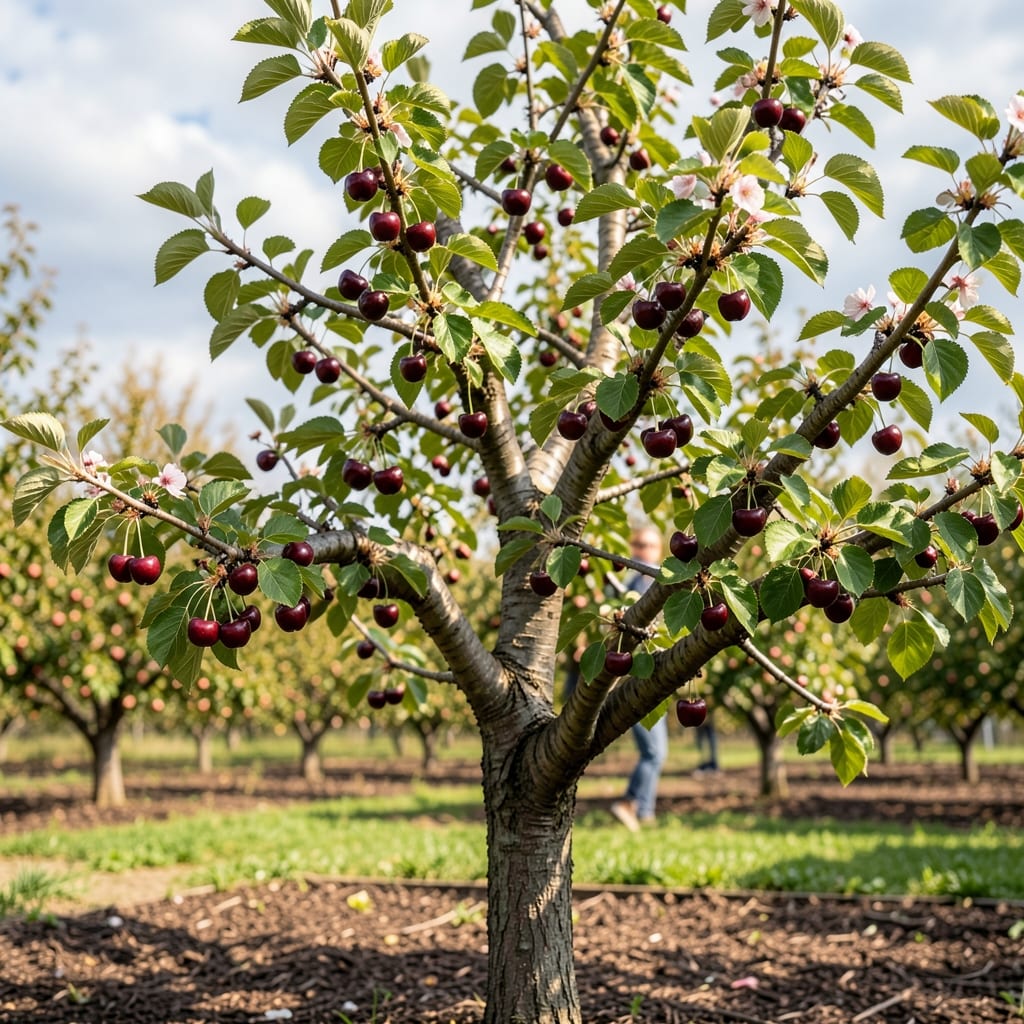
Cherry tree mature heights by variety: dwarf to giant sizes explained
If you're dreaming of a cherry tree in your backyard, the first question should be: how tall will it grow? The answer depends entirely on the variety, with some reaching towering heights of 40+ feet while others stay compact at just 8 feet. Knowing these differences helps you choose the perfect tree for your space—whether you have a cozy patio or a sprawling orchard.
Most cherry trees fall into three height categories: dwarf (under 12 ft), semi-dwarf (12-18 ft), and standard (20-40 ft). Dwarf varieties are ideal for urban gardens or small yards, while standard trees dominate large landscapes. Even within these categories, growth rates vary—some varieties grow 3 feet per year in ideal conditions, while others creep along at just 1-2 feet annually.
Below, I’ve broken down 12+ popular cherry varieties by their mature heights, growth habits, and ideal spacing. This will help you visualize how each will fit into your garden—or whether you’ll need to prune aggressively to keep it in check.
Pro Tip: Always check the rootstock type when buying cherry trees, as this significantly influences height. For example, a Stella® rootstock keeps trees dwarf-sized, while Mahaleb rootstock produces standard-sized trees.
| Variety | Type | Mature Height | Growth Rate (Annual) | Spacing Needs |
|---|---|---|---|---|
| Stella® 'Lapins' | Dwarf Sweet | 8–10 ft | 1–2 ft | 6–8 ft from structures |
| Montmorency | Tart | 12–15 ft | 2–3 ft | 10–12 ft from other trees |
| Bing | Sweet | 20–25 ft | 3–4 ft | 20–25 ft from property lines |
| Rainier | Sweet | 25–30 ft | 2–3 ft | 25–30 ft from structures |
| Black Tartarian | Ornamental | 30–40 ft | 3–5 ft | 30+ ft for full growth |
| Stella® 'Sunburst' | Dwarf Ornamental | 6–8 ft | 1 ft | 5–6 ft from other plants |
| Souris du Nord | Semi-Dwarf Tart | 12–15 ft | 2 ft | 10 ft from boundaries |
| Empress | Sweet | 20–25 ft | 3 ft | 20 ft from other trees |
For small gardens, dwarf varieties like Stella® 'Lapins' or Stella® 'Sunburst' are game-changers. These trees produce abundant fruit without overshadowing your patio or deck. Their compact size also makes them easier to prune and maintain, though they still require regular care to stay healthy.
On the other hand, standard varieties like Bing or Rainier need serious space. If you plant one too close to your house or neighbor’s property, you’ll spend years pruning branches that encroach on walkways or roofs. Always check local setback laws before planting—some municipalities require trees to stay 15+ feet from property lines.
Ornamental cherries, like Black Tartarian, are stunning but unpredictable. Their dramatic spring blooms and deep red fall foliage make them a landscape star, but their 40-foot height means they’re best suited for large estates or parks. If you’re set on an ornamental cherry but have limited space, consider container growing for younger trees (though they’ll eventually outgrow pots).
One final tip: Sweet cherries (like Bing) often grow taller than tart cherries (like Montmorency) when given the same care. If height is a concern, opt for a tart variety on a dwarfing rootstock—they’re just as productive but easier to manage.
How pruning affects cherry tree height: techniques for controlling growth
Pruning is your secret weapon for controlling how tall your cherry tree grows—whether you want a compact 10-foot dwarf or a tall 30-foot standard. The right cuts at the right time can stunt vertical growth by up to 30% annually while encouraging bushier canopies. But prune wrong, and you risk stunted growth, disease, or even death. Let’s break down the key pruning techniques to shape your tree’s height.
Timing matters more than you think. Winter pruning (dormant season) is ideal for structural shaping and removing dead wood, while summer pruning (after harvest) helps control excessive height growth. For dwarf varieties, I recommend light summer pruning to keep them manageable, whereas standard trees benefit from heavy winter pruning to maintain their towering stature.
For young cherry trees (under 5 years old), focus on structural pruning to establish a strong framework. Remove competing vertical shoots (called "water sprouts") and crossing branches to prevent future crowding. I like to train the central leader (main upward branch) early—this keeps the tree upright and balanced as it matures. For ornamental varieties, like ‘Kanzan’ or ‘Stella Compacta’, prune just after flowering to encourage dense blooms rather than height.
Reviving an overgrown cherry tree takes patience. Start by thinning out 1/3 of the oldest wood to reduce height gradually. Then, head back (cutting just above a bud) the remaining branches by 20-30% annually until you reach your desired height. Avoid topping (cutting the main stem flat)—this creates ugly, weak regrowth and invites pests. Instead, prune at a 45-degree angle just above a bud facing outward to encourage healthy growth.
Common pruning mistakes can stunt growth permanently. Avoid pruning in wet weather (fungus risk), using dull tools (tears bark), or cutting too close to the trunk (girdling). I’ve seen well-intentioned gardeners accidentally remove all fruit buds by pruning too late in the season—always check for swollen buds before cutting! For tart cherries, prune after harvest to avoid reducing next year’s crop.
With the right pruning strategy, you can control your cherry tree’s height while keeping it healthy and productive. Start small, observe how the tree responds, and adjust your approach yearly. A well-pruned cherry tree isn’t just shorter—it’s stronger, with better airflow and more abundant fruit. 🪴