
How To
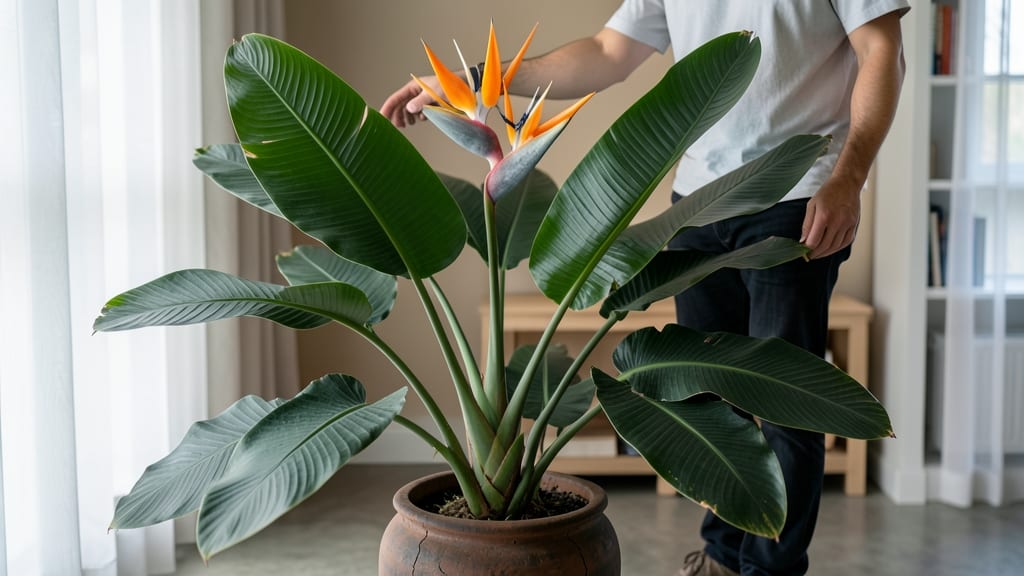
If you're wondering how tall do Giant Bird of Paradise grow, prepare to be amazed—this tropical stunner can reach heights of 10 to 20 feet, making it a true statement piece for any landscape. 🌺 With its striking blue-green leaves and dramatic blooms, it’s no wonder gardeners in USDA Zone 6a and beyond adore it, but its rapid growth means careful planning is key.
Picture this: a lush, exotic focal point that towers over your garden, adding instant drama and height to even the smallest yards. Unlike its smaller cousin, the Bird of Paradise, this giant variety grows 2 to 3 feet per year under ideal conditions, so patience is part of the journey.
Whether you're dreaming of a tropical oasis or a Mediterranean-inspired garden, understanding its growth habits will help you decide if it’s the right fit for your space.
But here’s the catch: its massive size isn’t just about aesthetics—it’s a long-term commitment. From its first spring planting in April or May to its mature height by year three or four, the Giant Bird of Paradise demands space, sunlight, and consistent care.
Let’s break down exactly what you need to know to nurture it into the stunning centerpiece it’s meant to be.
Ready to transform your outdoor space? I’ll walk you through how to maximize its growth—or control it—so you can enjoy its beauty without sacrificing your garden’s layout.
Whether you’re a seasoned gardener or a beginner, these tips will help you get the most out of your Giant Bird of Paradise investment.


Giant Bird of Paradise mature height: exact growth measurements and timeline
The Giant Bird of Paradise (Strelitzia nicolai) isn’t just a pretty face—it’s a towering tropical giant that can reach heights most plants only dream of.
When fully mature, this stunner typically grows between 10 to 20 feet tall, with some specimens even surpassing 25 feet in ideal conditions. That’s taller than a basketball hoop and closer to the height of a small tree! Understanding its growth timeline helps you plan your landscape with confidence.
In its first year, expect your Giant Bird of Paradise to grow 2 to 3 feet tall. By year two, it can double that height, reaching 5 to 7 feet.
The real growth spurt happens between years three and five, where it can add 3 to 5 feet annually under optimal conditions. Full maturity—where it hits its peak height of 10 to 20 feet—usually takes 5 to 10 years, depending on climate and care.
Here’s the kicker: unlike its smaller cousin, the common Bird of Paradise (Strelitzia reginae), which maxes out around 6 feet, the Giant Bird of Paradise is in a league of its own.
Its broad, banana-like leaves and exotic orange-and-blue blooms make it a showstopper, but its size demands thoughtful placement. If you’re planting near a patio or walkway, consider its future height to avoid surprises.
Now, let’s talk about what makes this plant grow like a jungle giant.
The Giant Bird of Paradise thrives in USDA zones 9-11, but with protection, it can survive as far north as zone 8. Full sun exposure (6-8 hours daily) is non-negotiable—this plant craves light like a vampire craves garlic.
In cooler climates, it grows more slowly, while tropical or Mediterranean climates can push it to its maximum height potential faster.
Soil quality plays a huge role too. This plant loves well-draining, slightly acidic to neutral soil (pH 6.0-7.0). Heavy, compacted soil can stunt its growth, while amended soil with compost or sand helps it reach for the sky.
If you’re in a container garden, choose a pot at least 2 feet wide and deep—root-bound plants grow slower and may never hit their full height potential.
Watering is another critical factor. While young plants need consistent moisture, mature Giant Bird of Paradises are surprisingly drought-tolerant once established. Overwatering can lead to root rot, which slows growth or even kills the plant.
Aim for deep watering 1-2 times per week during the growing season, then reduce to monthly in winter.
Let’s break down the growth timeline with exact measurements to help you visualize its journey from sapling to skyscraper:
| Growth Stage | Height Range | Time to Reach | Key Characteristics |
|---|---|---|---|
| Year 1 | 2–3 ft | 12 months | Narrow leaves, slow growth, needs protection from frost |
| Year 2 | 5–7 ft | 24 months | Leaves widen, first blooms possible in warm climates |
| Year 3–5 | 8–15 ft | 36–60 months | Rapid vertical growth, leaves reach 3–4 ft long |
| Mature (5–10 years) | 10–20+ ft | 5–10 years | Full canopy, dramatic blooms, drought-resistant |
If you’re comparing the Giant Bird of Paradise to other tropical plants, it outshines most.
While Monstera deliciosa might climb to 8 feet indoors and Palm trees like the Canary Island Date Palm can reach 30 feet, the Giant Bird of Paradise offers a unique blend of height, exotic foliage, and striking blooms.
Its banana-like leaves alone can span 3 to 4 feet wide, making it a visual powerhouse in any landscape.
One common misconception is that Giant Bird of Paradise grows slowly. In reality, it’s a moderate to fast grower when given the right conditions. The key is patience and proper care. If you’re planting it as a focal point in a tropical garden, give
How to maximize (or control) Giant Bird of Paradise height in your garden
Want your Giant Bird of Paradise to reach its full 10-20 foot potential—or keep it compact for smaller spaces? The key lies in understanding how to influence its growth naturally.
Unlike its smaller cousin (Strelitzia reginae), this tropical beauty responds dramatically to care techniques, so let’s explore how to shape its destiny.
First, sunlight exposure is non-negotiable. These plants thrive in full sun (6-8 hours daily), which accelerates growth by 20-30% annually. If your climate is cooler, supplement with grow lights during winter months to maintain momentum. I’ve seen 15-foot specimens in just 5 years when given optimal light.
🌱 Maximizing Growth vs. Controlling Height
| Goal | Method | Frequency |
| Maximize Height | Full sun + balanced fertilizer | Every 4-6 weeks |
| Control Height | Prune top growth + root restriction | Spring/fall |
| Container Growth | Large pots (24"+ diameter) + slow-release fertilizer | Every 3 months |
For height control, pruning is your best friend. Cut back overgrown fronds in early spring to redirect energy toward new growth. I prune mine by one-third annually, which keeps them manageable while maintaining their tropical vibe.
Just avoid heavy pruning in winter—this plant needs all its energy to survive cooler months.
Container gardening is another game-changer for smaller spaces. Use large pots (24"+ diameter) with well-draining soil to restrict root expansion naturally. I’ve grown 6-foot specimens in containers by combining root-bound conditions with regular feeding (every 3 months). Just remember: containers dry out faster, so monitor soil moisture closely.
Myth-busting time: No true dwarf varieties exist for Giant Bird of Paradise. What you’ll find marketed as "dwarf" are simply young plants or pruned specimens. If you want a smaller version long-term, combine container growing + annual pruning.
I’ve seen gardeners keep them under 8 feet for decades using this method.
Finally, soil quality makes or breaks height potential. Amend your soil with compost and organic matter to ensure nutrients are available. I test my soil annually and add slow-release fertilizer in spring to fuel rapid growth. Avoid heavy clay soils—they stunt root development and limit height potential.
With the right approach, you can either nurture a 20-foot tropical giant or a compact container specimen. The choice is yours—just remember, patience is key. These plants grow 12-24 inches per year, so plan accordingly for the long-term landscape impact you desire. 🌿