
How To
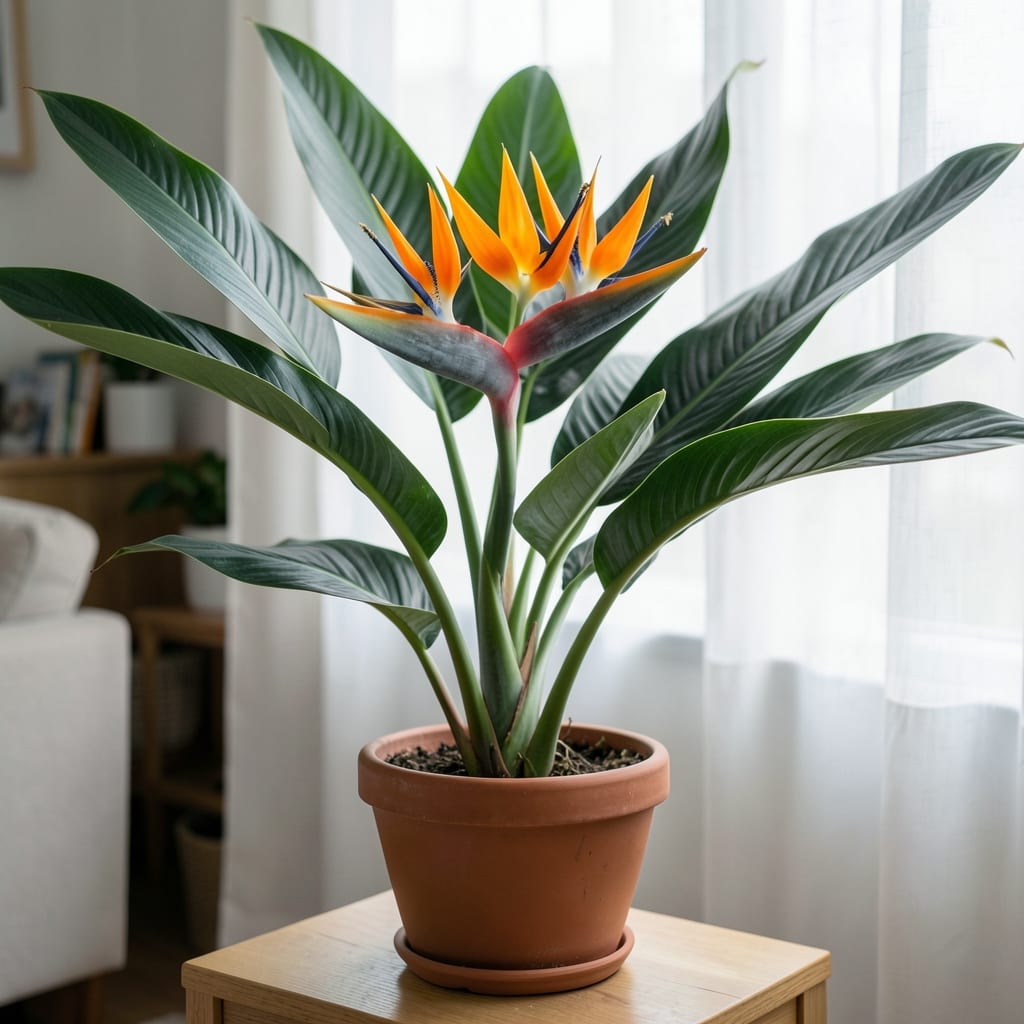
If you’ve ever dreamed of adding a tropical showstopper to your space, you might be surprised to learn that how tall can a bird of paradise grow—sometimes reaching heights that rival a two-story house! But before you commit to planting one, there’s more to consider than just its impressive stature.
This striking plant isn’t just about vertical growth—it’s also about how quickly it gets there. In just a few years, your 6-foot-tall sapling could transform into a 10-to-18-foot giant, depending on the variety and care. Whether you’re planning for a backyard centerpiece or an indoor statement piece, understanding these growth patterns is key to keeping your plant happy—and your space manageable.
What if you love the look but don’t have room for a skyscraper of a plant? Don’t worry—we’ll cover how to control its height with simple pruning tricks and care adjustments. The right approach can turn a towering Strelitzia nicolai into a more compact, bushier beauty that fits your space perfectly.
Ready to discover how tall your bird of paradise could grow—and how to shape it to your needs? Let’s dive into the details so you can make the best choice for your garden or home.


Bird of paradise height by variety: from compact to towering giants
The bird of paradise plant (Strelitzia) is famous for its dramatic, bird-like flowers and lush foliage, but its height varies dramatically depending on the variety and growing conditions. If you're planning your garden layout or choosing a plant for a small patio, knowing these differences is key. Let me break down the most popular types and their mature heights.
First, the classic orange bird of paradise (Strelitzia reginae) is the most common variety you'll find. In ideal conditions, it can reach a stunning 6 to 12 feet tall, with some specimens topping out at 15 feet. This variety grows at a moderate pace—expect about 1 to 2 feet per year once established, making it a long-term investment for your garden.
Now, if you're dreaming of a taller tropical statement, look no further than the giant white bird of paradise (Strelitzia nicolai). This variety is the true giant of the species, often soaring to 12 to 18 feet tall in the wild. In containers, it may stay slightly shorter but can still reach 8 to 12 feet with proper care. Its broad, banana-like leaves add a dramatic flair to any landscape.
For those with limited space, don’t worry—there are dwarf or hybrid varieties that stay more manageable. Some newer hybrids, like the 'Mandarin Sun' or 'Dwarf Bird of Paradise', max out around 4 to 6 feet tall, perfect for containers or small gardens. These are ideal if you love the look but need a more compact option.
| Variety | Mature Height | Growth Rate | Best For |
|---|---|---|---|
| Strelitzia reginae (Orange) | 6–12 ft | 1–2 ft/year | Gardens, containers, tropical landscapes |
| Strelitzia nicolai (White) | 12–18 ft | 2–3 ft/year | Large gardens, tropical backdrops |
| Hybrids (e.g., 'Mandarin Sun') | 4–6 ft | 1 ft/year | Containers, small spaces, patios |
To put these heights into perspective, imagine a standard basketball hoop standing at 10 feet tall. A mature Strelitzia reginae will often surpass this, while the giant white variety can nearly double it. If you're growing these indoors near a south-facing window, expect slightly slower growth—around 6 to 8 feet for the orange variety—but they’ll still make a bold focal point.
Climate plays a huge role in height, too. In USDA Zones 9–11, where these plants thrive outdoors year-round, they grow the fastest and tallest. In cooler zones, treat them as container plants and bring them indoors during winter. This can limit their height but keeps them alive and flowering for years to come.
One common misconception is that bird of paradise plants grow quickly in their first year. In reality, they start small—often just 2 to 3 feet tall after 12 months. It’s in years 2–3 that they really take off, adding 3 to 5 feet per year if given the right conditions. Patience is key if you’re hoping for a towering specimen!
If you’re debating whether to plant one in your yard, consider the spacing needs. These plants have wide, spreading roots, so give them at least 6 to 8 feet of space between plants to avoid crowding. In containers, choose a pot that’s at least 2 feet wider than the plant’s current diameter to accommodate their root system.
For those who love the look but need a smaller scale, opt for the dwarf hybrids or prune regularly to control height. I’ve seen some creative gardeners even train them as espalier plants against walls or fences, keeping them under 6 feet while still enjoying their stunning blooms. The possibilities are endless!
🌺
Factors that control bird of paradise height: light, space & pruning secrets
Your bird of paradise’s final height isn’t set in stone—it’s shaped by three key factors: sunlight exposure, container size, and pruning habits. Get these right, and you can encourage a 15-foot tropical giant or keep it at a more manageable 6-foot for patios. The wrong approach, though? You might end up with a leggy, weak plant that struggles to reach its potential.
Let’s start with sunlight, the most critical factor. These plants thrive in full sun (6+ hours daily), which fuels rapid vertical growth. Without enough light, your bird of paradise will stretch toward windows or sky, becoming taller but weaker. In shady spots, growth slows dramatically—sometimes by 50%—and the plant may never reach its full height potential.
🌺 Pro Tip: Place your plant near a south-facing window indoors or in a sheltered outdoor spot to maximize growth. If you notice yellowing leaves or sparse blooms, it’s a sign your plant is light-deprived.
⚠️ Common Mistakes That Stunt Growth
Over-potting can limit root expansion, slowing height gains. Too much water (especially in winter) causes root rot, which weakens the plant. And inconsistent watering leads to stress-induced stunting. Avoid these pitfalls to keep your bird of paradise reaching for the sky!
Container size plays a surprising role in height control. If your plant is root-bound, it will focus energy on filling the pot rather than growing taller. Upgrade to a 12-inch diameter pot for every 3 feet of height you want to encourage. For example, a 10-foot plant needs a 36-inch pot to thrive.
Pruning is your secret weapon for shaping height. Cutting back overgrown stems in late winter encourages bushier growth and prevents the plant from becoming top-heavy. For dramatic height reduction, trim 1/3 of the plant’s height at once—just above a leaf node. This shock tactic forces the plant to branch out instead of shooting upward.
💡 Expert Hack: If you want a compact bird of paradise, prune new growth regularly to redirect energy into width. For a tall specimen, avoid heavy pruning and let it grow freely. The key is timing—prune after blooming (late spring) to avoid cutting off next year’s flowers.
Finally, remember that climate matters. In USDA Zone 9b+, these plants grow fastest year-round. In cooler zones, growth slows in winter, capping height gains until spring. If you’re in a cooler climate, plan to prune aggressively in early spring to compensate for slower growth periods.