
Plants
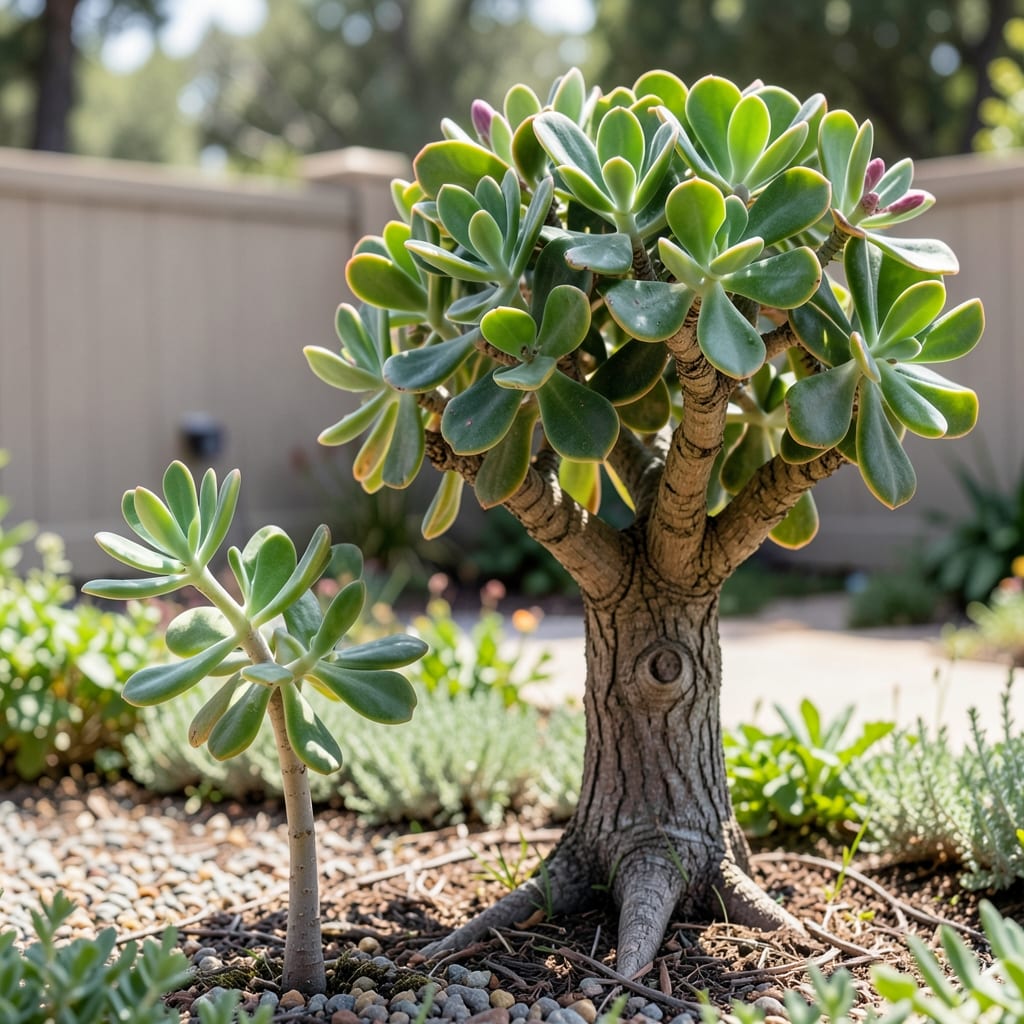
If you’ve ever watched your Jade Plant 🌿 stretch toward the ceiling like a sleepy giraffe, you’re not alone—this is one of the most common questions among plant parents: how tall can jade plants grow? The answer isn’t just about time; it’s about light, pruning, and a few sneaky growth habits you might be missing.
Under ideal conditions, Jade Plants can reach heights of 3 to 5 feet, but most stay compact with the right care. Without pruning, they’ll grow leggy and tall, while strategic trimming keeps them bushy and manageable. The key? Understanding their natural growth patterns and how your environment plays a role.
Whether you’re dealing with a 6-inch sapling or a towering 3-foot giant, I’ll break down how to control their height—because yes, even Jade Plants can be trained to stay your size. Let’s dive into the secrets of pruning and lighting that make all the difference.
From dwarf varieties that stay under 2 feet to standard types climbing toward the sky, we’ll cover everything you need to keep your Jade Plant thriving at the perfect height. Ready to turn that stretchy stem into a lush, compact beauty?

Natural height range of jade plants: what to expect without pruning
Jade Plants (Crassula ovata) are famous for their ability to thrive with minimal care—but their height can vary dramatically based on growing conditions. Without pruning, a mature Jade Plant can reach heights of 3 to 5 feet, though most gardeners keep them between 1 and 3 feet for a compact look. The key difference? Variety and environment.
Dwarf varieties, like the Crassula ovata 'Gollum', typically max out at 1 to 2 feet, while standard types can stretch toward the ceiling if left unchecked. Even indoors, a Jade Plant will grow taller if it’s searching for light, often developing leggy stems with sparse leaves. This isn’t just about genetics—it’s a survival tactic for low-light conditions.
Outdoor Jade Plants in USDA Zone 6a or warmer can grow faster and taller, especially in full sun. I’ve seen mine hit 4 feet in just 3 years when planted in well-draining soil with ample sunlight. The trade-off? They may need staking or pruning to prevent toppling over in windy conditions.
Indoor Jade Plants, however, rarely exceed 2 to 3 feet unless they’re starved for light. A window near an east-facing glass provides the ideal balance of brightness without scorching the leaves. Without enough light, stems elongate dramatically—a classic sign of etiolation, where the plant stretches toward any available light source.
| Variety | Mature Height | Growth Rate | Best For |
|---|---|---|---|
| Dwarf (e.g., 'Gollum') | 1–2 feet | Slow to moderate | Indoor tables, shelves |
| Standard (e.g., 'Crassula ovata') | 3–5 feet | Moderate to fast | Outdoor beds, large pots |
| Variegated (e.g., 'Tricolor') | 2–4 feet | Slow (needs bright light) | Indoor sunrooms, conservatories |
| Portulacaria afra (Elephant Bush) | 5–8 feet (outdoor) | Fast | Outdoor hedges, slopes |
🌱 Note: Heights vary with light, soil, and pruning.
Leaf spacing is another clue to your Jade Plant’s growth habits. Healthy plants have 3–4 leaves per stem segment, while leggy plants may have 6 or more leaves clustered at the top. This imbalance means the plant is prioritizing height over foliage—a clear sign it needs more light or a pruning session. I’ve found that rotating my plants quarter-turns every 2 weeks encourages even growth and prevents this "reaching" behavior.
Soil type plays a surprising role too. Jade Plants thrive in fast-draining mixes, like cactus soil with perlite. Heavy, moisture-retentive soil slows growth and can lead to root rot, which stunts height. I always use a pot with drainage holes and avoid watering until the soil is completely dry—usually every 2–3 weeks in summer and monthly in winter.
Temperature also affects height. Jade Plants grow best in 65–75°F ranges. Below 50°F, growth slows dramatically, while above 85°F, they may bolt (send up a tall flower stalk) or develop sunburn. My indoor plants in Zone 6a hit their height peak in late spring when temperatures rise, then enter a dormant phase in winter.
One of the most overlooked factors? Pot size. A Jade Plant in a too-large container will focus energy on root growth rather than upward stem elongation. I’ve seen plants in 6-inch pots stay compact, while those in 12-inch pots grow taller. The rule of thumb? Repot only when roots circle the drainage hole—usually every 2–3 years.
If you’re aiming for a bushy, low-growing Jade Plant, focus on these three factors: bright indirect light, regular pruning, and well-draining soil. Skip any of these, and you’ll end up with a towering, leggy giant instead of the lush, compact plant you envisioned. The good news? It’s never too late to adjust—even a 5-foot tall Jade Plant can be pruned back to size with the right techniques.
Pruning techniques to control Jade Plant height and promote bushiness
Pruning isn’t just about trimming—it’s the secret weapon to keeping your Jade Plant compact and lush. Without it, those leggy stems will stretch toward the light like a sunflower, reaching heights of 3 to 5 feet indoors. But with the right techniques, you can encourage bushier growth and maintain a height that fits your space.
Start with pinching, the simplest method for young plants. Use your fingers to pinch off the top 1-2 inches of new growth when stems reach 3-4 inches tall. This triggers branching, creating a fuller plant. For mature plants, prune stems just above a leaf node to redirect energy into side shoots.
The best time to prune is in spring or early summer, when your Jade Plant is actively growing. Avoid heavy pruning in fall or winter, as the plant enters dormancy and won’t recover as quickly. Always use sterilized scissors or pruning shears to prevent disease.
Don’t forget about air-layering, a technique for propagating and encouraging thicker stems. Wrap a moist sphagnum moss pad around a stem, secure it with plastic wrap, and wait for roots to form before cutting. This method works well for older, woody stems that need rejuvenation.
After pruning, place your Jade Plant in bright, indirect light to help it recover. Avoid overwatering, as stressed plants are more prone to root rot. With consistent care, your pruned Jade Plant will reward you with dense, bushy growth and a manageable height that fits your space perfectly.
Pro tip: Rotate your plant quarter-turns every few weeks to ensure even growth and prevent lopsidedness. This small habit keeps your Jade Plant looking full and symmetrical, no matter how tall it grows.