
Size
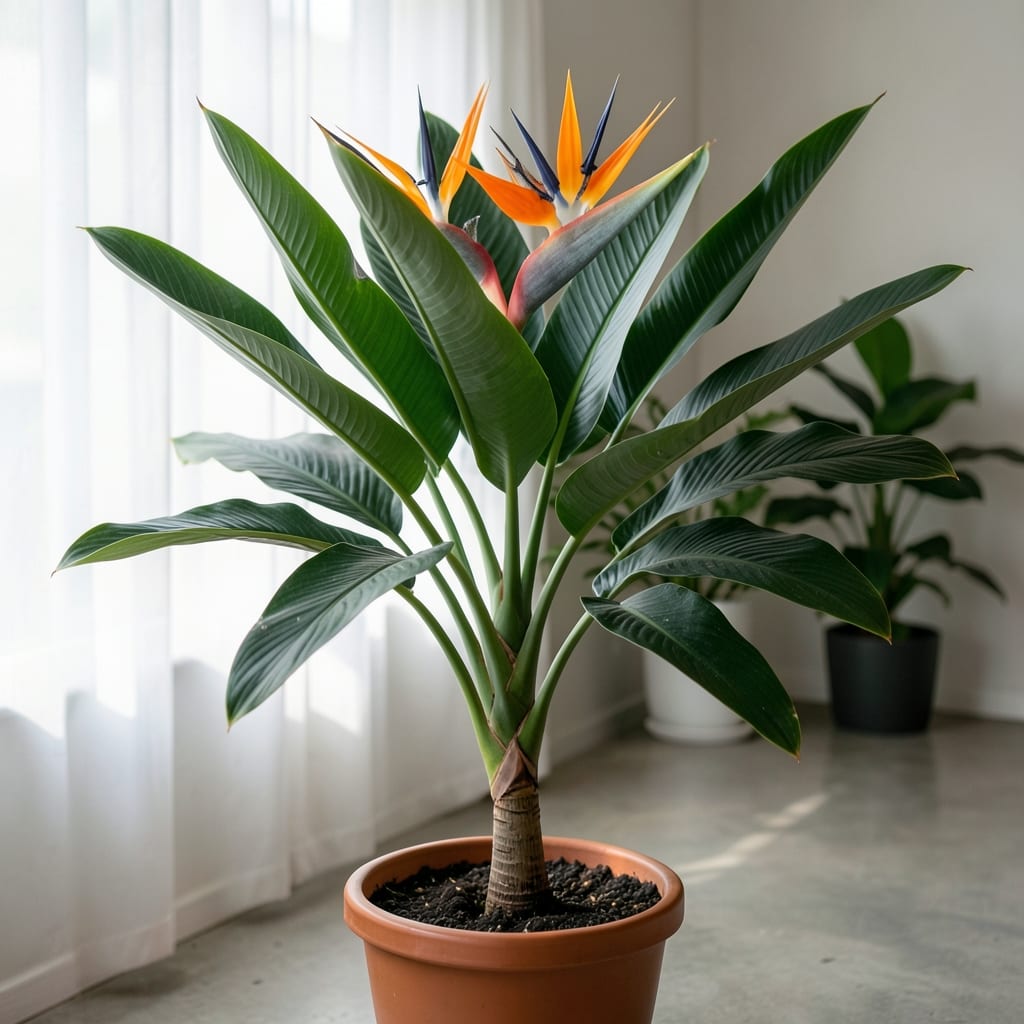
When you imagine a bird of paradise 🦜 towering over your garden, you might picture the tall plant it can grow into—a tropical giant—but the truth is more nuanced. These striking plants grow at different paces depending on their variety, care, and where you live, so let’s cut through the guesswork and focus on what matters: real-world size expectations.
If you’re planning your garden layout or choosing a container size, knowing how tall your bird of paradise will get is the key to avoiding surprises. From the classic Strelitzia reginae to its larger cousin Strelitzia nicolai, sizes range from 6 to 12 feet at maturity, with growth habits that can be controlled through smart care. Whether you’re in USDA Zone 6a or a warmer climate, these insights will help you set your plant up for success.
What’s even more interesting? The first few years of growth are relatively slow, with most plants reaching just 3 to 4 feet by year two. But once they hit their stride—especially with full sun and rich soil—they can add 3 feet or more per year. That’s why timing your planting in April or May (after the last frost) gives them the best head start for their eventual height.
Ready to make room for this tropical stunner? I’ll walk you through the factors that shape its size—from sunlight needs to pruning tips—so you can enjoy its dramatic presence without any unexpected space issues. Let’s get started.


Mature height and spread of bird of paradise by variety: size expectations
If you’ve ever admired a bird of paradise’s striking orange and blue blooms, you might be wondering: how tall do these plants grow? The answer depends entirely on the variety you choose, as some reach 12 feet while others stay more compact. The classic Strelitzia reginae (orange bird of paradise) typically matures between 6 and 10 feet, while its larger cousin, Strelitzia nicolai (white bird of paradise), can tower up to 12 feet or more. Even dwarf varieties like Strelitzia 'Mandarin' stay under 6 feet—perfect for containers or smaller gardens.
What’s fascinating is how growth rates differ in the early years. Most bird of paradise plants grow slowly at first, reaching just 1 to 2 feet in their first year. By year three, they’ll likely hit 5 to 6 feet, and by year five, they’ll approach their mature height. This gradual growth makes them easier to manage in smaller spaces before they become full-sized tropical giants.
Here’s the key takeaway: space planning is everything. If you’re in a suburban yard with limited room, Strelitzia reginae is your best bet, while Strelitzia nicolai needs a spacious landscape or a large container. Hybrids and dwarf varieties offer flexibility, but even these need room to spread—expect a 4 to 6-foot spread at maturity for most types.
| Variety | Mature Height | Spread | Growth Rate | Best For |
|---|---|---|---|---|
| Strelitzia reginae | 6–10 ft | 4–6 ft | Moderate (1–2 ft/year after Year 3) | Yards, borders, containers (large) |
| Strelitzia nicolai | 10–12+ ft | 6–8 ft | Fast (2–3 ft/year after Year 3) | Large landscapes, tropical gardens |
| Strelitzia 'Mandarin' | 4–6 ft | 3–4 ft | Slow (1 ft/year) | Containers, small gardens, patios |
| Hybrids (e.g., 'Giant White') | 8–12 ft | 5–7 ft | Moderate to fast | Statement plants, tropical themes |
Choosing the right variety isn’t just about height—it’s also about climate compatibility. Strelitzia reginae thrives in USDA Zones 9–11, but with winter protection (like mulch or a frost cloth), it can survive down to Zone 6a. Strelitzia nicolai, on the other hand, is even more cold-sensitive and needs Zone 10+ for outdoor planting. If you’re in a cooler zone, opt for container growing or bring it indoors during winter.
One mistake I see gardeners make is underestimating the spread of these plants. While height gets all the attention, the wide, fan-like leaves can stretch 4 to 8 feet across, depending on the variety. This means you’ll need at least 6 feet of clearance in all directions for a mature Strelitzia reginae. If space is tight, consider pruning or growing a dwarf variety like 'Mandarin', which stays more compact.
For container growers, size is even more critical. A 15-gallon pot is the minimum for a young Strelitzia reginae, but you’ll need to upgrade to 25+ gallons within 3–4 years to accommodate root growth. Containers also limit height—plants in pots rarely exceed 6 feet unless they’re regularly repotted. If you’re growing in a pot, plan for annual repotting to keep your bird of paradise thriving.
Pro tip: If you’re planting near a fence or wall, choose a narrower-spreading variety like Strelitzia 'Mandarin' to save space. These plants are notoriously stubborn to transplant once mature, so pick your spot carefully. The first few years are the best time to adjust their location if needed.
Finally, don’t forget that
Factors that influence bird of paradise growth height: sun, soil, and care
If you’re wondering why your bird of paradise grows at different rates than your neighbor’s, the answer lies in environmental factors and care habits. These tropical plants thrive when given the right conditions, but even small changes in sunlight, soil, or water can dramatically alter their height and spread. Let’s break down the key elements that determine how tall your bird of paradise will grow.
The most critical factor is sunlight exposure. Bird of paradise plants need full sun (6+ hours daily) to reach their maximum height. In partial shade, growth slows significantly, and blooms may become sparse. If you’re in a cooler climate like USDA Zone 6a, placing your plant in the sunniest spot (like a south-facing window or patio) ensures faster, healthier growth. Without enough light, expect stunted growth and fewer flowers.
Next up is soil quality and drainage. These plants despise soggy roots, so well-draining soil is non-negotiable. Heavy clay or compacted soil can restrict root growth, leading to shorter stature and weaker stems. Amend your soil with compost or perlite to improve aeration. In containers, use a cactus or tropical mix with added sand or orchid bark for optimal drainage.
🌞 Sunlight & Growth Impact
| Full Sun (6+ hrs/day) | Partial Shade (3–5 hrs/day) | Low Light (<3 hrs/day) |
| ✅ Max height (6–12 ft) | ⚠️ Slower growth (4–8 ft) | ❌ Stunted (3–5 ft) |
| 🌸 Frequent blooms | 🌸 Fewer blooms | 🚫 No blooms |
💧 Watering & Soil Needs
| Well-Draining Soil | Heavy Clay Soil |
| ✅ Healthy root growth | ⚠️ Root rot risk |
| 💧 Deep watering (weekly) | 🚫 Avoid overwatering |
Temperature also plays a role in height. Bird of paradise plants are tropical natives and thrive in USDA Zones 9–11. In cooler zones like Zone 6a, they’ll grow more slowly or even go dormant in winter. If you’re in a frost-prone area, protect your plant with mulch or move it to a container for winter. Cold stress can stunt growth, so always plant after the last frost date (April 15) in your region.
Finally, fertilization and pruning can influence height. Over-fertilizing with high-nitrogen feeds encourages leafy growth but may reduce blooms, while balanced 6-6-6 fertilizer promotes steady, healthy growth. Pruning isn’t just for shaping—removing dead fronds and spent blooms encourages new growth and can redirect energy toward height. Just avoid heavy pruning in late summer, as this can limit next year’s growth.
One common mistake I see is assuming that more water equals taller growth. Bird of paradise plants are drought-tolerant once established—overwatering leads to root rot and stunted growth. Stick to deep watering every 7–10 days in summer and reduce frequency in winter. A simple soil test can help you adjust your watering routine for optimal growth.
By mastering these factors, you’ll give your bird of paradise the best chance to reach its full 6–12-foot potential. Whether you’re in a warm climate or a cooler zone, the right care makes all the difference in how tall—and dramatic—your plant becomes. 🌿