
Size
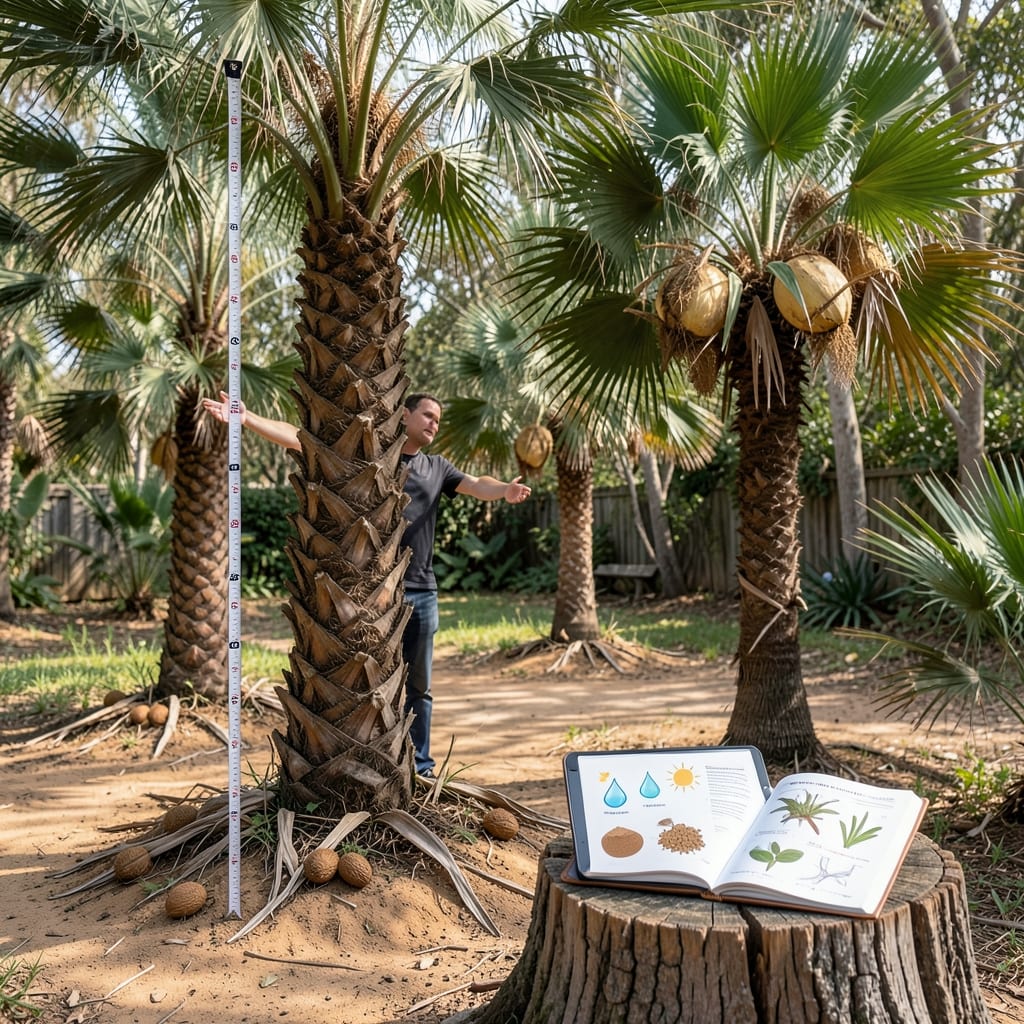
Ever wondered how tall palm trees can grow in your backyard? The answer is yes—and some tropical giants reach heights of over 100 feet! While species like the coconut palm can shoot skyward at astonishing speeds, others stay perfectly manageable for smaller spaces. But how do you pick the right one?
If you're dreaming of dramatic landscapes or just curious about nature's skyscrapers, this guide breaks down everything you need to know. We'll explore the fastest-growing species, how climate and care affect their height, and which palms work best for your space—whether you've got acres or just a patio.
The key to choosing the perfect palm lies in understanding growth rates and environmental needs. Some varieties shoot up 10 feet per year in ideal conditions, while others grow at a leisurely pace. I'll show you how to match the right palm to your climate and yard size, so you can enjoy their beauty without sacrificing your sanity.
Ready to transform your outdoor space? Let's dive into the world of towering palms and discover which ones will make your neighbors do a double-take—without taking over your entire property.


Palm tree height guide: fastest-growing species and their maximum heights
Palm trees are nature’s skyscrapers, with some species reaching heights that dwarf even the tallest buildings. The coconut palm (Cocos nucifera) can soar up to 100 feet, while the royal palm (Roystonea regia) often hits 80 feet in ideal conditions. These giants aren’t just for tropical resorts—they can thrive in USDA Zones 10-11 and even some cooler microclimates with proper care.
But not all palms are towering giants. The pygmy date palm (Phoenix roebelenii) stays a modest 8-12 feet, perfect for containers or small yards. Understanding these height ranges helps you plan your landscape while avoiding power line conflicts or overwhelming your property. Let’s break down the tallest palms and how quickly they grow.
🌴 Palm Tree Height Comparison
| Species | Mature Height | Growth Rate | Best For |
|---|---|---|---|
| Coconut Palm (Cocos nucifera) | 60–100 ft | Fast (3–6 ft/year) | Beaches, large properties |
| Royal Palm (Roystonea regia) | 50–80 ft | Moderate (2–4 ft/year) | Landscaping, focal points |
| Canary Island Date Palm (Phoenix canariensis) | 30–50 ft | Slow to moderate (1–3 ft/year) | Urban areas, parks |
| Pygmy Date Palm (Phoenix roebelenii) | 6–12 ft | Slow (1 ft/year) | Containers, small yards |
| Mexican Fan Palm (Washingtonia robusta) | 60–100 ft | Fast (3–5 ft/year) | Drought-prone areas |
🌱 Note: Heights vary by climate and care.
The Mexican fan palm (Washingtonia robusta) is another fast grower, often reaching 60–100 feet in just 20–30 years. If you’re in a hot, dry climate, this species thrives with minimal water once established. Meanwhile, the Canary Island date palm (Phoenix canariensis) grows more slowly but is hardier in cooler zones (Zone 9b), making it ideal for Southern California or Arizona landscapes.
Choosing the right palm depends on your space constraints and growth goals. A 100-foot coconut palm might be stunning but impractical for a suburban lot, while a 12-foot pygmy date palm offers tropical charm without the maintenance of a giant. Always check your local frost dates—even tropical palms can suffer in unexpected cold snaps.
For fastest growth, prioritize full sun exposure (6+ hours daily), well-draining soil, and regular fertilization with a balanced palm fertilizer (6-6-6 NPK). Overwatering or poor drainage can stunt growth or even kill your palm, so amend clay soil with sand or compost to improve aeration.
If you’re planting near power lines, opt for dwarf or semi-dwarf varieties like the Mediterranean fan palm (Chamaerops humilis), which maxes out at 15–25 feet. This species is also cold-hardy to Zone 8, making it a versatile choice for cooler climates. Always measure your available vertical space before planting—some palms grow 3–5 feet per year!
Pruning can also influence height. Removing dead fronds or overgrown suckers (in clumping palms) redirects energy to upward growth. However, avoid topping palms—this can stress the tree and reduce its natural beauty. Instead, focus on maintaining a clean
Factors that influence how tall a palm tree can grow in your climate
Your palm tree’s maximum height isn’t just about the species—it’s also about your local climate and care habits. While a coconut palm might reach 100 feet in tropical paradises, the same tree in a cooler zone could struggle to exceed 30 feet. Let’s break down the key factors that shape your palm’s growth potential.
First, sunlight exposure is non-negotiable. Most palms thrive in full sun (6+ hours daily), but some varieties tolerate partial shade. Too little light slows growth, while too much can scorch leaves. For example, a Mediterranean fan palm in a shady spot may never reach its 25-foot potential.
Next, soil drainage plays a critical role. Palm trees hate soggy roots, which can stunt growth or even kill the tree. Amend heavy clay soil with organic matter like compost or sand to ensure water drains freely. Poor drainage isn’t just bad for roots—it also limits nutrient uptake, keeping your palm from reaching its full height.
🌱Visual Guide: Top Factors Affecting Palm Tree Height
Temperature is another game-changer. Tropical palms like the coconut palm or royal palm need consistent warmth (above 30°F) to grow tall. In cooler zones (8-9), only cold-hardy species like the windmill palm or needle palm will thrive, typically reaching 15-25 feet instead of their tropical counterparts’ heights.
Don’t underestimate the power of fertilization either. Palms need balanced nutrients (like a 6-6-6 NPK fertilizer) to grow vigorously. Skipping fertilizer can leave your palm stunted and weak, while overdoing it leads to leaf burn and poor growth. Apply fertilizer every 4-6 weeks during spring and summer for best results.
Finally, pruning habits can subtly influence height. Removing dead fronds keeps your palm healthy, but over-pruning can stress the tree and slow growth. If you’re aiming for a taller palm, avoid aggressive pruning—let the tree focus its energy on upward growth rather than recovering from cuts.
By mastering these factors, you’ll give your palm the best shot at reaching its full height potential. Whether you’re growing a 100-foot giant or a compact 10-footer, the right conditions make all the difference! 🌴