
How To
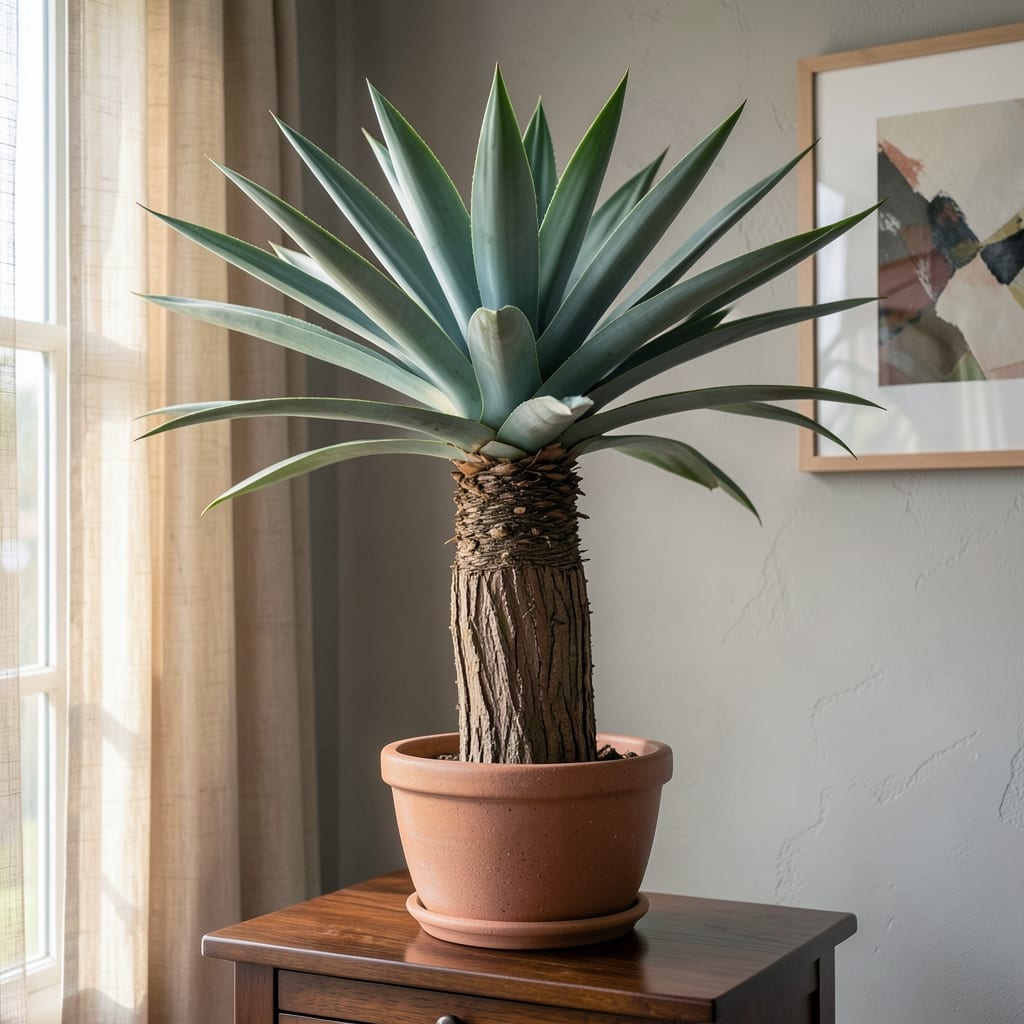
If you're wondering how tall can a yucca grow, the answer might surprise you—these striking plants can range from compact shrubs to towering giants that reach up to 30 feet in ideal conditions. Whether you're planning a desert-inspired garden or just curious about their potential, understanding the height variations is key to choosing the right variety for your space.
Yucca plants like Yucca gigantea can grow as tall as a two-story building, while others, such as Yucca rostrata, stay shorter at just 3-6 feet. The difference comes down to species, climate, and care—so knowing these details helps you decide whether to go for a bold statement plant or a more manageable size. With the right conditions, even a small yucca can grow surprisingly tall over time.
But here’s the thing: height isn’t the only factor. Soil, sunlight, and watering all play a role in how much your yucca will stretch toward the sky. If you’re in USDA Zone 6a or warmer, you’ll need to pay extra attention to these details to encourage—or control—growth. Let’s break down exactly what influences a yucca’s height and how you can guide it to reach its full potential.
Ready to transform your outdoor space with a dramatic, low-maintenance plant? I’ll walk you through the exact care tips and varieties to help you get the perfect yucca for your needs—whether you want a tall, striking centerpiece or a smaller, easier-to-maintain addition to your garden.


Yucca plant height by variety: exact growth ranges for popular species
When it comes to yucca plant height, the possibilities are as varied as the species themselves. Some varieties stay compact and manageable, while others grow into towering giants that can dominate your landscape. The key to choosing the right yucca for your space is understanding these height ranges and how they align with your garden’s design and conditions.
For example, Yucca rostrata, also known as the Spanish dagger, typically reaches a mature height of 3-6 feet, making it ideal for smaller gardens or container planting. On the other end of the spectrum, Yucca gigantea can soar up to 30 feet tall, creating a dramatic focal point in large landscapes or desert gardens. These extremes highlight why selecting the right variety is crucial.
Below, I’ve compiled a detailed summary table of the most popular yucca varieties, including their mature heights, growth habits, and ideal climates. This will help you visualize which type fits best in your garden—whether you’re aiming for a low-maintenance shrub or a statement-making giant.
As you can see, the mature height of a yucca plant varies dramatically, even among popular varieties. If you’re working with limited space, Yucca recurvifolia or Yucca rostrata are excellent choices, while larger properties can accommodate the stunning height of Yucca gigantea or Yucca brevifolia. But remember, these heights are only achievable with the right growing conditions.
For instance, Yucca filamentosa, which typically grows to 6-10 feet, can reach even greater heights in ideal desert climates
How to maximize or control Yucca growth height: pruning, care, and environmental factors
Want to know how to maximize your yucca’s height or keep it compact? The key lies in understanding its environmental needs and care techniques. Yuccas thrive in full sun and well-draining soil, but their growth speed depends on factors like watering frequency, fertilizer use, and pruning habits. If you’re aiming for a towering Yucca gigantea, you’ll need to nurture it differently than a Yucca rostrata meant to stay smaller.
For taller growth, focus on providing optimal sunlight (at least 6-8 hours daily) and minimal watering. Yuccas are drought-tolerant, so overwatering can stunt their height by causing root rot. Instead, water deeply but infrequently, allowing the soil to dry out completely between sessions. This mimics their natural desert habitat and encourages upward growth.
Here’s how to control or enhance your yucca’s height using proven techniques:
Pros and Cons of Growth Strategies
- Full sun exposure (6-8+ hours)
- Well-draining soil (sandy or gravelly)
- Minimal watering (deep soaks, infrequent)
- Balanced fertilizer (spring/summer)
Ideal for Yucca gigantea or Yucca brevifolia.
- Partial shade (4-6 hours sun)
- Regular pruning (trim tall stems)
- Container growth (root-bound limits height)
- Less fertilizer (avoid nitrogen)
Best for Yucca rostrata or Yucca filamentosa.
Overwatering or high-nitrogen fertilizer can cause leafy growth instead of height, stunting the plant’s vertical development.
Pruning plays a critical role in managing height. For taller varieties, avoid heavy pruning unless necessary—focus on removing dead or damaged leaves to redirect energy upward. If your yucca is growing too tall for your space, prune back by 1/3 in early spring to encourage bushier, shorter growth. Just be cautious: aggressive pruning can slow height gains temporarily.
Soil type also matters. Yuccas prefer sandy or gravelly soil that drains quickly. Amending clay soil with perlite or coarse sand can prevent waterlogging, which inhibits root development and height. In containers, use a mix with 30% perlite to ensure roots stay aerated and growth remains strong.
Finally, fertilizer choices can make or break your yucca’s height goals. Use a low-nitrogen, balanced fertilizer (like 5-10-10) in spring and summer to support steady growth without excessive foliage. Avoid high-nitrogen blends, which promote leafy growth at the expense of height.
With the right care, your yucca can reach its full potential height—whether that’s a 30-foot giant or a compact 3-foot shrub. Experiment with these techniques to find what works best for your climate and space! 🌵