
Plants
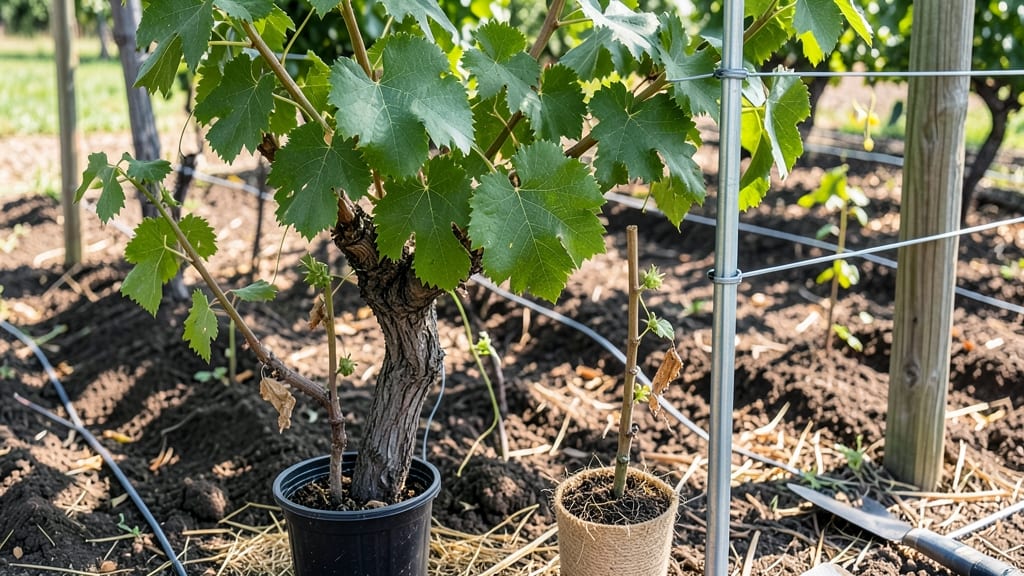
Timing your grape vine planting in Texas isn't just about the calendar—it's about outsmarting the 8a-10b heat zones that can turn a great start into a disaster if you're not careful.
Whether you're growing 🍇 Muscadines or European varieties, planting too early risks frost damage, while waiting too long means battling summer stress from day one.
Texas gardeners know the drill: the last frost can hit as late as March 15 in some regions, but that doesn't mean you should wait until summer. The sweet spot? Late winter or early spring, when soil temps hit 60°F—warm enough for roots to establish without inviting heat shock.
I've seen firsthand how a 2-week difference can mean the difference between thriving vines and struggling survivors.
What you're about to discover isn't just theory—it's battle-tested advice for Texas conditions. We'll cover the exact planting windows that work for your specific heat zone, soil prep secrets to beat drought, and how to tell when your vines are ready to handle the 100°F+ summers ahead.
No more guessing games—just proven strategies to get your grapevines off to a flying start.
The best part? These techniques work whether you're planting in North Texas or down in the Rio Grande Valley. Let's get your grapevines in the ground at the perfect moment—so you can enjoy that first harvest from August to October without a single worry.
Texas grape vine planting calendar by heat zone (avoid frost & heat stress)
Texas' diverse heat zones (8a-10a) create unique challenges for grape vine planting. In North Texas (8a), freezing temperatures can linger until mid-March, while South Texas (10a) may see 90°F+ soil temps by February.
Understanding these variations helps you choose the perfect window to plant Muscadine, Thompson Seedless, or other varieties.
Most Texas gardeners aim to plant grape vines between late February and early April, but the exact timing depends on your USDA zone and local microclimate. For example, Dallas (8a) typically waits until March 15, while Houston (9a) can start as early as February 20.
The goal is to avoid late frosts while giving vines time to establish roots before summer heat arrives.
Here’s a breakdown of ideal planting windows by Texas region, including soil temperature requirements and key seasonal milestones:
| Region & Zone | Ideal Planting Window | Soil Temp Requirement | Last Frost Date | Summer Heat Prep |
|---|---|---|---|---|
| North Texas (8a) | March 15–April 15 | 55–60°F (13–16°C) | March 1–15 | Shade cloth for young vines |
| Central Texas (8b–9a) | February 20–March 30 | 60–65°F (16–18°C) | February 15–March 1 | Drip irrigation setup |
| South Texas (9b–10a) | January 15–February 28 | 65–70°F (18–21°C) | January 1–15 | Mulch heavily to retain moisture |
For Muscadine grapes, which thrive in Texas' heat and humidity, you can even plant as early as January in South Texas, but avoid planting before soil temperatures reach 60°F (16°C).
European hybrid varieties like Thompson Seedless prefer slightly cooler soil (55°F/13°C) and do better in Central or North Texas where summers are less extreme.
If you miss the spring window, fall planting (September–October) is an option in North and Central Texas, but avoid it in South Texas where summer heat lingers. Fall-planted vines need extra care to harden off before winter, including mulching and winter watering to prevent root desiccation.
Pro tip: Use a soil thermometer to monitor temperatures at 6-inch depth. Grape vines won’t thrive if planted in cold, wet soil—wait until the ground warms up to avoid root rot and poor establishment.
In East Texas, where humidity is high, prioritize well-draining soil to prevent fungal diseases like black rot.
Once planted, young grape vines need consistent moisture but hate soggy roots. In West Texas, where drought is common, consider drip irrigation to deliver water directly to the root zone.
For East Texas, focus on mulching with straw or wood chips to keep roots cool and retain moisture during Texas’ brutal summers.
Remember, the first 60 days after planting are critical for grape vine survival. During this time, vines establish roots but are vulnerable to heat stress, pests, and disease. Use shade cloth (30–50%) for young vines in full sun until they’re at least 3 feet tall.
🍇
How to choose the best planting time based on grape vine variety
Texas grape growers face a critical choice: plant in spring or fall. The answer depends on your grape variety and local microclimate. Muscadine grapes, native to the Southeast, handle Texas heat better than European hybrids like Thompson Seedless.
Spring planting gives them a head start before summer's intensity, while fall planting can reduce disease pressure for heat-sensitive varieties.
European-style grapes thrive when planted in early spring (March) after the last frost risk. This timing aligns with their natural dormancy cycle and gives vines time to establish roots before summer heat arrives.
For Muscadine varieties, fall planting (October-November) works well in North Texas zones (8a-9a), letting vines harden off before winter.
Your USDA zone matters too. In South Texas (10a), where winters are mild, spring planting is safest. In North Texas (8a-9a), fall planting can work for cold-hardy varieties like Norton grapes, which tolerate winter chill better than delicate European types.
Spring Planting (March-April)
Pros:
- Full growing season ahead
- Better root establishment
- Ideal for heat-sensitive varieties
Cons:
- Late frost risk in North Texas
- Requires consistent watering
- Slower establishment in summer heat
Fall Planting (October-November)
Pros:
- Reduced disease pressure
- Better for cold-hardy varieties
- Less summer stress on young vines
Cons:
- Limited growing season
- Winter dieback risk in zone 8a
- Requires winter protection
For Thompson Seedless and other European varieties, always plant in spring. These grapes need a long, hot season to ripen properly. In contrast, Muscadines planted in fall can produce fruit the following year in warmer zones (9b-10a).
The key is matching your variety's chill hour requirements with your local climate.
Pro tip: If you're unsure, opt for bare-root plants in late winter (February) and hold them in cold storage until March. This gives you flexibility to adjust timing based on weather forecasts. Always check your local Cooperative Extension Service for zone-specific advice before planting.
Remember, Texas' variable climate means no single rule fits all. Monitor your vines closely after planting, especially during transition months (April-May) when temperatures can swing dramatically. A well-chosen planting window sets the stage for years of successful grape growing.