
How To
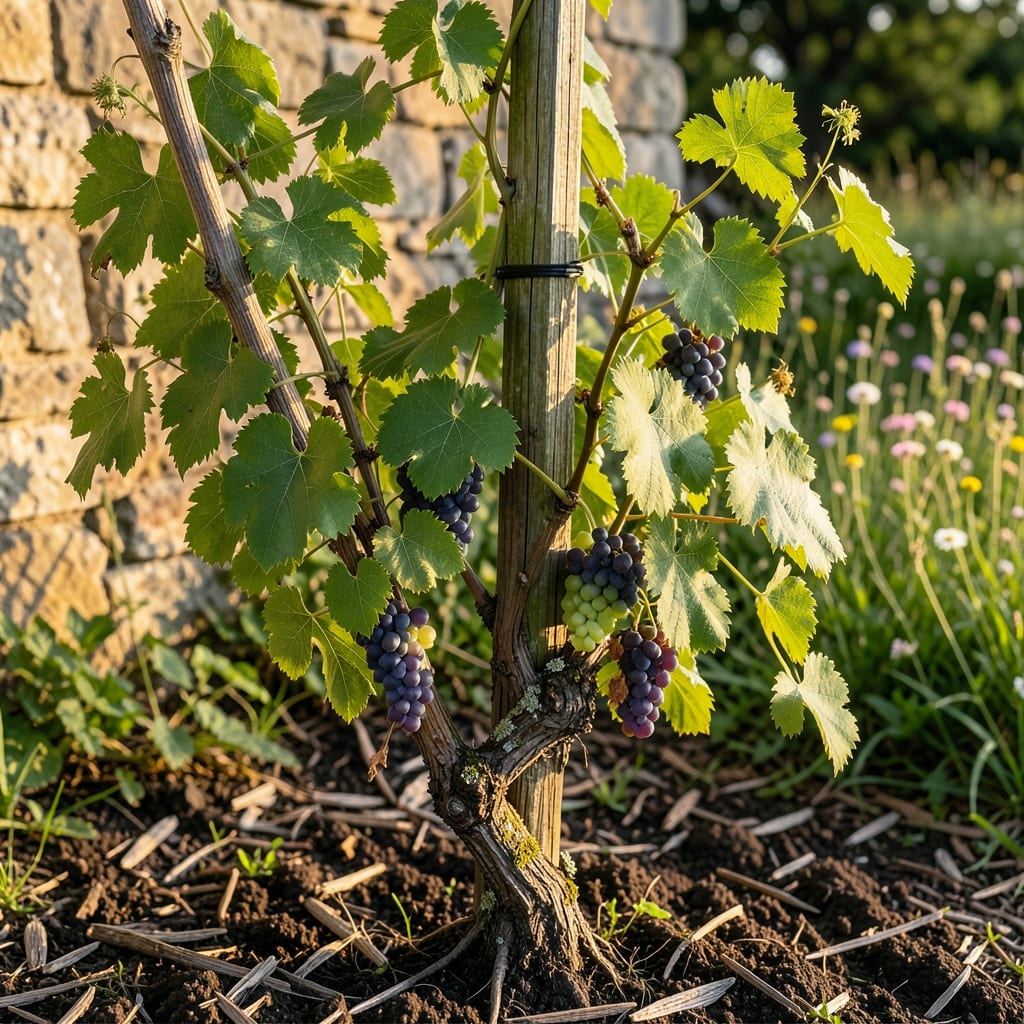
If you've ever wondered just how tall grape vines can grow, you're not alone—some varieties stretch taller than a two-story house! 🍇 The answer depends on the type of vine, your pruning approach, and even your local climate. Whether you're dreaming of a backyard arbor or planning a commercial vineyard, understanding these growth patterns is the key to maximizing space and yield without sacrificing fruit quality.
From compact table grape varieties that stay under 6 feet to wild grapevines that can reach 100 feet or more, the possibilities are staggering. Wine grapes and muscadines often fall somewhere in between, with mature vines commonly hitting 25-60 feet when properly trained. The good news? With the right techniques, you can control their height to fit your garden perfectly.
In this guide, I’ll break down exactly how different grape vine varieties grow, from dwarf options ideal for small spaces to towering giants that need serious support. You’ll also discover pruning and training secrets to keep your vines at your desired height—whether that’s a manageable 10 feet for a trellis or a sprawling 30 feet for a rustic look. Let’s get started!
Ready to transform your space with lush, productive grape vines? By the end of this guide, you’ll know exactly how to nurture your 🍇 grape vine for the perfect height—balancing beauty, productivity, and ease of care. The best part? You’ll avoid common mistakes that let vines grow out of control. Let’s dive in!


Grape vine height by variety: from dwarf to towering giants
Grape vines come in an astonishing range of heights, from compact dwarf varieties perfect for containers to wild vines that can climb 100 feet or more on trees or trellises. The height you’ll see depends entirely on the variety, your pruning approach, and the support structure you provide. For example, table grapes like Thompson Seedless often stay under 6 feet when trained properly, while wine grapes like Cabernet Sauvignon can reach 25-50 feet without intervention.
Understanding these differences is crucial—whether you’re designing a backyard trellis or planning a commercial vineyard. Some varieties, like muscadines, are naturally sprawling and can grow 30-60 feet if left unchecked. Meanwhile, dwarf rootstocks are bred specifically for small spaces, keeping vines under 8 feet even at maturity. Let’s explore the height ranges for the most popular grape varieties and how they compare.
🍇 Variety-Specific Height Guide: Below is a quick reference for how different grape types grow, including their mature heights and ideal training methods. This will help you choose the perfect vine for your space and goals.
| Variety Type | Mature Height | Growth Habit | Best For |
|---|---|---|---|
| Dwarf Table Grapes (e.g., 'Thompson Seedless', 'Red Flame') | 3–6 ft | Compact, bushy | Containers, small trellises, patios |
| Semi-Dwarf Wine Grapes (e.g., 'Concord', 'Chardonnay') | 12–20 ft | Moderate spread, needs support | Backyard arbors, small vineyards |
| Standard Wine Grapes (e.g., 'Cabernet Sauvignon', 'Merlot') | 25–50 ft | Vigorous, climbing | Trellises, pergolas, commercial plots |
| Muscadine Grapes (e.g., 'Scuppernong', 'Catawba') | 30–60 ft | Wild, sprawling | Large gardens, rural landscapes |
| Wild Grapevines (e.g., 'Fox Grape') | 50–100+ ft | Aggressive climber | Natural landscapes, fences, trees |
As you can see, the height potential of grape vines varies dramatically. For instance, wild grapevines like Fox Grape can easily surpass 100 feet if given the chance, while dwarf table grapes are designed to stay under 6 feet—ideal for small gardens or even large containers. The key to controlling height lies in pruning and training, which we’ll cover in the next section. But first, let’s address a common question: why do some vines grow so much taller than others?
The answer lies in their genetics and growth habits. Wine grapes, for example, are bred for vigorous growth to produce large canopies that maximize sunlight exposure for fruit development. In contrast, table grapes are often bush-trained to keep them manageable and accessible for harvesting. Even within the same variety, a vine left unpruned can grow 3-5 times taller than one that’s regularly trimmed. This is why training systems—like trellises, arbors, or fan-shaped structures—are essential for managing height and ensuring healthy fruit production.
If you’re working with limited space, consider dwarf rootstocks or container-friendly varieties like 'Black Monukka' or 'Crimson Seedless'. These stay under 8 feet and thrive in pots, making them perfect for balconies or small yards. On the other hand, if you’re aiming for a dramatic backyard feature, varieties like 'Scuppernong' or 'Cabernet Sauvignon' will deliver that towering vine aesthetic you’re after—just be prepared for some serious pruning to keep them in check!
Another factor to consider is climate and sunlight. Grape vines in full sun (6+ hours daily) will grow faster and taller than those in partial shade. In cooler climates, vines
How to control grape vine height: pruning & training techniques
If you’ve ever watched a grape vine sprawl wildly across your yard, you know how quickly they can outgrow their welcome. The secret to managing their height lies in pruning and training—two techniques that give you full control over how tall (or short) your vines become. 🌿 Whether you’re working with a dwarf table grape or a wine grape giant, the right approach ensures your vines stay productive, healthy, and within your space constraints.
Pruning isn’t just about cutting back—it’s about shaping growth to direct energy where you want it. For example, canopy pruning (removing excess leaves) improves airflow and sunlight penetration, while spur pruning (shortening branches) keeps vines compact. Training, on the other hand, involves guiding the vine’s structure using trellises, arbors, or other supports. Together, these methods let you tailor your grape vine’s height to fit your garden’s needs—whether that’s a 6-foot trellis or a 20-foot arbor.
Let’s break down the step-by-step techniques for controlling grape vine height, including the best tools, seasonal timing, and how to avoid common pitfalls. With these strategies, you’ll transform a wild, unruly vine into a well-managed, fruit-bearing masterpiece.
🌱 Step-by-Step Guide to Pruning & Training Grape Vines
- 📅 Timing: Prune in late winter or early spring (before buds swell) for dormant-season pruning. Summer pruning (after harvest) helps manage growth but is less common.
- 🪴 Tools Needed:
- Pruning shears (for small branches)
- Loppers (for thicker canes)
- Grafting knife (for precise cuts)
- Trellis or arbor (for training)
- ✂️ Pruning Methods:
- Canopy Pruning: Remove excess leaves to improve airflow and sunlight. Aim for 60-70% leaf removal in dense areas.
- Spur Pruning: Shorten last year’s growth to 2-4 buds per spur to encourage compact growth.
- Cordon Training: Train vines along a horizontal wire (1-2 feet above ground) to keep them low and manageable.
- 🌿 Training Systems:
- Vertical Trellis: Ideal for wine grapes, guiding vines upward to save space (heights: 10-20 ft).
- Arbor or Pergola: Perfect for table grapes, creating a shady canopy (heights: 8-15 ft).
- Fan-Shaped Training: Spread vines in a semi-circle for muscadines, keeping height under 12 ft.
- 💡 Pro Tip: Tie vines to supports every 2-3 feet as they grow to prevent sagging and encourage upward growth.
For small gardens, focus on dwarf varieties (like ‘Thompson Seedless’) and use cordon training to keep vines under 6 feet. In larger spaces, vertical trellises work wonders for wine grapes, allowing you to grow 20-foot vines without sacrificing yard space. The key is consistency—prune and train your vines seasonally to maintain the height you desire.
Remember, over-pruning can stress the vine, while under-pruning leads to unruly growth. Strike a balance by removing no more than 30% of the vine’s total growth in a single pruning session. With practice, you’ll master the art of controlling grape vine height—turning wild vines into structured, productive assets for your garden. 🍇
Need a quick reference? Bookmark this guide and revisit it before your next pruning session. Your grape vines will thank you with bigger yields, healthier growth, and the perfect height for your space! 🌟