
Planting
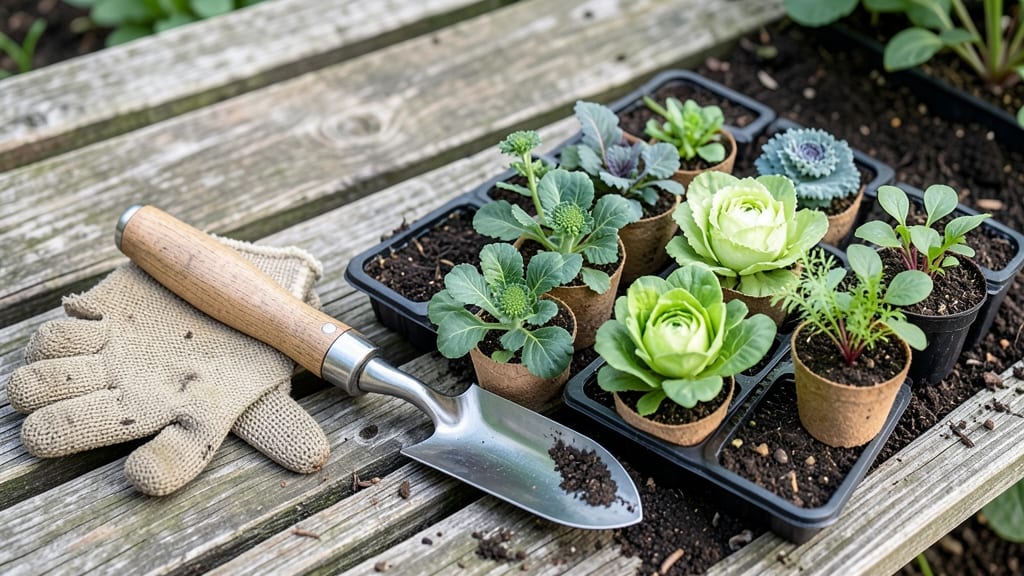
When to plant a fall garden in Missouri isn’t just about luck—it’s about beating the first frost while avoiding summer’s lingering heat. Plant too early, and your greens bolt before harvest; too late, and a sudden October chill ruins your crop. The secret? Start when soil temps hit 50-65°F—a sweet spot for cool-season crops like kale and carrots.
Missouri’s Zone 5b-6a climate gives you a narrow window—typically August through early September—to get seeds in the ground. But don’t guess: Use your local frost date (usually around October 15) as your deadline, planting 4-8 weeks before that first hard freeze.
That’s how you stretch your harvest from crisp fall salads to winter storage veggies.
I’ve tested these methods in my own garden, and the difference between a bountiful fall harvest and a sad, frost-nipped failure comes down to two things: soil prep and crop selection. Learn which fast-growing varieties thrive in Missouri’s short season—and how to protect them when temperatures dip.
Ready to turn your backyard into a fall produce powerhouse? Let’s break down the exact steps, from soil tests to frost-proofing tricks, so you can enjoy homegrown greens straight through winter. No more wasted seeds—just flavor-packed harvests.
Missouri fall planting dates by frost Zone 5 & 6: exact timing for maximum yield
Missouri’s fall frost dates shift dramatically between Zone 5b (northern areas) and Zone 6a (southern regions), making precise timing critical. The average first frost arrives between October 15-30, but microclimates near rivers or hills can delay frost by 1-2 weeks.
For a successful harvest, aim to plant 4-8 weeks before your local frost date—this window ensures crops mature before temperatures drop below 28°F.
Soil temperature is just as important as air temperature. Most cool-season vegetables thrive when soil stays between 50-65°F. Use a soil thermometer to confirm readiness—if temperatures dip below 50°F, young plants may struggle to establish roots.
In Missouri, this typically aligns with late August to early September for most regions, but northern counties should start earlier.
Here’s how to calculate your exact planting window: Subtract 4-6 weeks from your first frost date (check Missouri State Climate Office for local data). For example, if frost hits October 20, plant heat-tolerant crops like bush beans by September 5 and cool-season crops like spinach by September 15.
Heat-tolerant varieties can handle slightly later starts, while delicate greens need earlier planting.
Missouri’s microclimates create local variations—urban areas often frost 1-2 weeks later than rural zones due to heat island effect. If you’re near St. Louis (Zone 6a), you might push planting to early October for fast-maturing crops, while Kansas City (Zone 5b) gardeners should finish by mid-September.
Always err on the side of caution with slow-growing varieties like broccoli or cabbage.
| Planting Window | Soil Temp Requirement | Missouri Zone 5b | Missouri Zone 6a | Key Crops |
|---|---|---|---|---|
| Early Planting (Heat-Tolerant) | 60-75°F | Late July - Early August | Early August - Mid-August | Bush beans, cucumbers, summer squash |
| Main Planting (Cool-Season) | 50-65°F | Mid-August - Early September | Late August - Mid-September | Spinach, kale, lettuce, carrots, radishes |
| Late Planting (Fast-Maturing) | 55-60°F | Early September - Mid-September | Mid-September - Early October | Arugula, turnips, peas, mustard greens |
📅 Pro Tip: Use row covers to extend late-season planting by 2-3 weeks in Zone 5.
For heat-tolerant crops like bush beans or cucumbers, you can start as early as late July in Zone 6a, but these won’t survive frost. Instead, treat them as a summer-to-fall bridge crop and harvest before September 15.
Meanwhile, cool-season powerhouses such as broccoli and cabbage need 60-70 days to mature, making mid-August the ideal start in Zone 5b.
Missouri’s fall garden success hinges on succession planting. Instead of planting everything at once, stagger seeds every 2 weeks to ensure a continuous harvest. For example, sow radishes (25 days to harvest) in early August, then again in mid-September for a double crop.
This strategy maximizes your garden’s productivity and reduces waste from overproduction.
Don’t overlook fall flowers like pansies or calendula, which thrive in cooler weather and add color to your garden. Plant these 4-6 weeks before frost for blooms that last until December.
They also attract pollinators like bees, supporting your vegetable garden’s health. Pair them with edible flowers like nasturtiums for a dual-purpose display.
If you’re unsure about your exact frost date, use the Missouri Botanical Garden’s frost calculator or check local Cooperative Extension Service reports. These resources provide hyperlocal data that accounts for Missouri
Missouri fall planting dates by frost Zone 5 & 6: exact timing for maximum yield
Missouri’s fall frost dates can shift by weeks between northern and southern regions, so knowing your USDA Zone 5b or 6a is key. For Zone 5b, aim to plant cool-season crops 4-6 weeks before your average first frost date—typically mid-August to early September.
In Zone 6a, you’ve got a slightly longer window, with late July to mid-September being ideal for most vegetables.
Soil temperature is just as critical as air temperature. Most fall vegetables thrive when soil stays between 50-65°F. Use a soil thermometer to check depths of 2-4 inches before planting.
If your soil is still above 70°F in late August, opt for heat-tolerant varieties like malabar spinach or okra until temperatures drop.
🌱 Missouri’s Microclimates Matter: Urban areas like St. Louis (Zone 6a) often experience 2-3 weeks later frost than rural northern regions. Check the Missouri Botanical Garden’s frost date maps or use the National Weather Service’s climate tool to pinpoint your local window.
📅 Missouri Fall Planting Timeline
| Stage | Zone 5b Action | Zone 6a Action | Soil Temp |
|---|---|---|---|
| Late July | Plant heat-lovers (beans, cucumbers) | Direct sow beans, squash | 65-75°F |
| Mid-August | Start cool crops (kale, spinach) | Transplant broccoli, cabbage | 60-65°F |
| Early September | Last chance for lettuce, radishes | Direct sow carrots, beets | 55-60°F |
| Late September | Cover tender greens with row fabric | Harvest remaining summer crops | 50-55°F |
⏰ Pro Tip: Use succession planting every 2 weeks to extend harvests until hard frost.
Heat-tolerant crops like swiss chard and collard greens can handle soil temps up to 70°F, giving you a head start in early August. For delicate greens like lettuce, wait until soil cools below 65°F—typically mid-to-late August—to avoid bolting.
Test your soil’s readiness by planting a small batch of radishes as a heat indicator; if they sprout in 3-5 days, your soil’s ready.
Missouri’s first frost usually arrives between October 15-30, but hard frosts (28°F or below) can hit as early as November 1 in northern areas. Plan to harvest leafy greens before 25°F temperatures, while root crops like carrots and beets can survive light frosts.
Use straw mulch (4-6 inches) to insulate soil and protect shallow roots.
🌿 Missouri-Specific Varieties perform best: Try ‘Winterbor’ kale (survives -20°F), ‘Detroit Dark Red’ beets (sweetens after frost), or ‘Sugar Snap’ peas (harvest before hard freeze). For extended harvests, plant ‘Tendercrisp’ lettuce in shade cloth to delay bolting.