
Plants
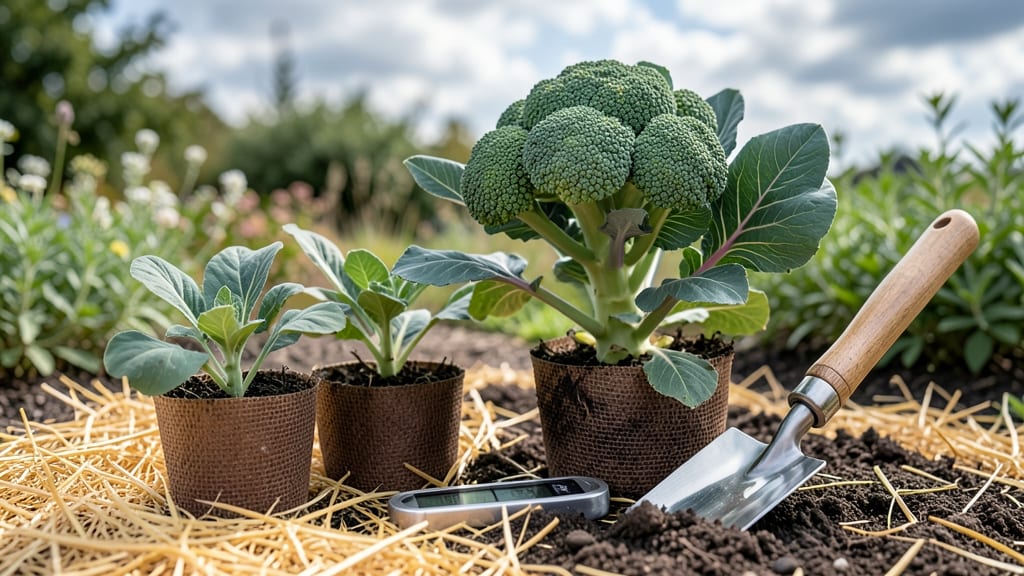
Knowing when to plant fall crops in Zone 8 could mean the difference between a bountiful harvest and wasted effort. The mild winters here give you a second growing season, but timing is everything—especially when frost sneaks in earlier than expected.
I’ve planted fall crops in Zone 8 for years, and the key to success is understanding frost dates and crop maturity. Whether you’re growing leafy greens, root vegetables, or hardy herbs, getting the timing right ensures your garden thrives until winter sets in.
In this guide, I’ll break down the exact frost-date math you need to avoid disappointment. You’ll learn which crops to plant in August, which wait until September, and how to extend the season with simple tricks. No more guessing—just a foolproof plan for a harvest that lasts.
Ready to turn your late-summer garden into a fall feast? Let’s dive into the easiest way to plant with confidence and avoid frost-related heartbreak.
Zone 8 fall planting timeline: frost-date math for perfect harvests
Zone 8 gardeners enjoy a longer growing season thanks to mild winters, but nailing fall planting dates requires precise timing to avoid frost damage. The key? Calculating your last frost date (typically December 15 in Zone 8) and working backward from your crops' maturity times.
For example, if your bush beans take 60 days to mature, plant them by October 15 to harvest before frost.
Start by checking your local average first frost date—Zone 8 ranges from November 15 to December 15, depending on elevation and microclimates. Subtract your crop's days to maturity from this date to find your last planting window.
For fast growers like radishes (25 days), you have until late October, while slower broccoli (80 days) needs to be in by early September.
| Crop Type | Days to Maturity | Last Planting Date (Zone 8) | Frost Tolerance |
|---|---|---|---|
| Leafy Greens (Spinach, Kale) | 30-50 days | Late Sept - Early Oct | High (sweeter after frost) |
| Root Vegetables (Carrots, Beets) | 60-70 days | Early Sept | Medium (tolerates light frost) |
| Brassicas (Broccoli, Cabbage) | 70-90 days | Late July - Early Aug | High (improves flavor) |
| Fast-Growing (Radishes, Lettuce) | 25-40 days | Late Aug - Oct | Low (harvest before frost) |
Use this frost-date math to create a personalized planting schedule. For instance, if your first frost is December 1 (earlier than average), shift all dates 2 weeks earlier. Always plant slow growers first (like broccoli) and fast growers last (like radishes) to maximize your garden space.
Pro tip: Succession planting every 2 weeks ensures a continuous harvest. For example, sow lettuce on August 15, September 1, and September 15 to enjoy fresh greens through November. This strategy works especially well for bush beans and turnips, which mature quickly.
Don’t overlook soil temperature—most fall crops thrive in 50-70°F soil. Test your soil with a soil thermometer before planting. If it’s too warm (above 80°F), wait 2-3 weeks or use shade cloth to cool the soil.
Cool-season crops like cabbage and kale perform best when daytime temps drop below 75°F.
Extend your harvest window with row covers or cold frames. These tools can push back frost by 2-4 weeks, giving tender crops like basil and cucumbers extra time to mature. For example, planting green onions under a row cover in early October can yield harvests until mid-November.
Keep a gardening journal to track your local frost dates and crop performance. Note which varieties mature fastest in your microclimate—some Zone 8 gardeners report 30-day radishes ready by October 10, while others need until November 1 due to cooler temps. Adjust your schedule yearly based on these observations.
Remember: Late August is your last chance for slow-maturing crops like cauliflower (90 days). After September 15, focus on fast growers or frost-hardy options like kale and carrots. With this timeline, you’ll enjoy a bountiful fall harvest without frost-related losses.
🌱
Best fall crops for Zone 8 and their ideal planting windows
Zone 8’s mild fall weather is perfect for growing cool-season crops, but not all plants thrive equally. The best fall crops here fall into two categories: fast-maturing varieties (like radishes and lettuce) and frost-tolerant stalwarts (such as kale and carrots).
I’ve grown these for years, and the difference between a 60-day harvest and a 90-day wait can mean the difference between a fall bounty and a winter disappointment.
Your planting window starts in late August for fast growers and stretches into early October for hardier crops. The key is matching your crop’s maturity time with your expected first frost date (typically around December 15 in Zone 8).
For example, if your frost date is December 15 and you plant spinach (which matures in 45 days), you’d need to sow by October 20 to avoid a premature freeze.
Here’s my ranked list of top-performing fall crops, their ideal planting windows, and how to extend their season with simple tricks like row covers or cold frames.
| Crop | Planting Window | Maturity Time | Frost Tolerance | Season Extension Tip |
|---|---|---|---|---|
| Radishes | Late Aug–Sept 15 | 25–30 days | Light frost | Sow every 2 weeks for continuous harvest |
| Lettuce (Leaf) | Late Aug–Sept 30 | 30–45 days | Moderate frost | Use row covers for late harvests |
| Spinach | Sept 1–Oct 15 | 45–60 days | Heavy frost | Plant in partial shade to avoid bolting |
| Kale | Late Aug–Sept 15 | 50–70 days | Extreme frost | Tastes sweeter after light frost |
| Carrots | Late Aug–Sept 30 | 60–80 days | Moderate frost | Mulch heavily to protect from cold |
| Broccoli | Sept 1–Oct 1 | 60–90 days | Light frost | Harvest before heads open |
For fast growers like radishes, you can even squeeze in two harvests by planting every 2–3 weeks starting in late August. Meanwhile, kale and carrots are my go-to frost-tolerant crops—they’ll keep producing well into winter if protected.
I’ve had kale survive 20°F nights with just a layer of straw mulch!
Pro tip: If you’re unsure about frost dates, opt for slow-bolting varieties like ‘Winter Density’ kale or ‘Paris Market’ carrots. These are bred to handle cooler temps and still deliver sweet, tender harvests.
And if you’re feeling ambitious, try cold frames or low tunnels to push your planting window into early November for a late-winter harvest.
Now that you’ve got the best crops and their windows, the next step is adjusting for those unpredictable frost years. Stay tuned for