
Plants
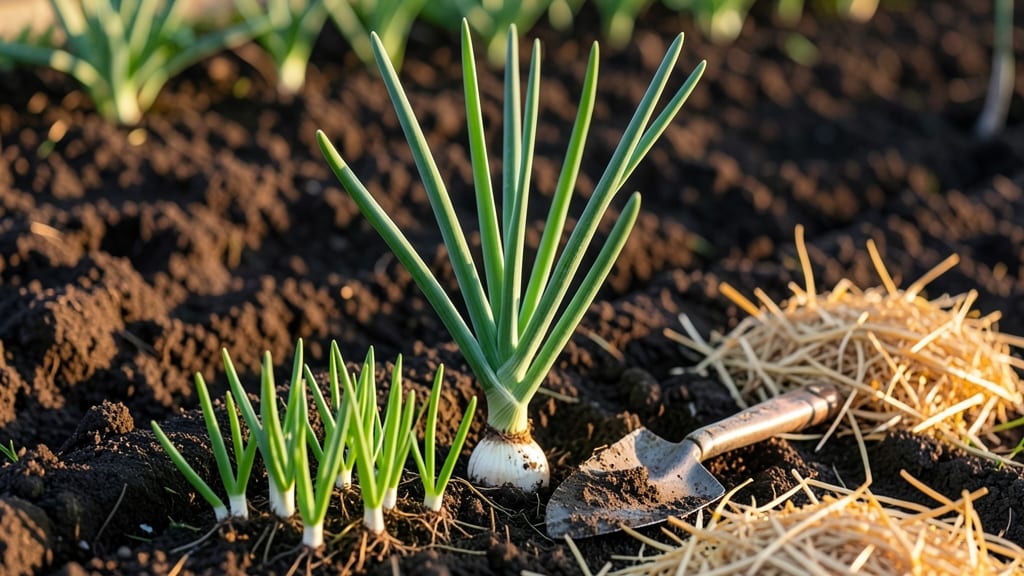
If you’ve ever wondered when to plant green onions in Zone 9, the answer isn’t as simple as “spring”—because this frost-free zone lets you grow them year-round with the right timing.
Unlike colder climates, your 🧅 won’t bolt from heat if planted strategically, but summer’s intensity still demands a plan. The key? Staggered plantings from winter through early spring to keep your harvest fresh until summer’s peak.
Most gardeners in Zone 9b assume green onions only thrive in cooler months, but the truth is they’re surprisingly adaptable—if you avoid the dog days of July.
Planting in October through March gives you a head start on growth before temperatures rise, while succession sowing every 4-6 weeks ensures a steady supply. This method works even in inland areas where afternoon heat can stress young plants.
Here’s the game-changer: coastal Zone 9 gardeners can push planting slightly later due to milder microclimates, while inland growers should start earlier to beat the heat. With just 4-6 hours of morning sun and well-draining soil, you’ll get crisp, flavorful onions in as little as 45 days.
Ready to turn your garden into a green onion powerhouse?
In this guide, I’ll break down the exact planting windows, heat-tolerant varieties, and pro tips to keep your 🧅 harvest going strong—no matter how hot Zone 9 gets. Let’s get those bulbs in the ground the right way.
Best planting times for green onions in Zone 9: avoiding heat stress & frost risks
Zone 9’s frost-free climate means you can grow green onions year-round, but timing still matters to avoid bolting (premature flowering) or bitter flavors. The ideal window spans from late fall to early spring, when temperatures stay mild and soil remains workable.
Green onions prefer cool weather (60–75°F) and can handle light frosts, though Zone 9 rarely sees them. The best months to plant are October through March, giving them time to mature before summer’s intense heat arrives.
Here’s the key: Plant in fall (October–November) for a winter harvest, or in early spring (February–March) to avoid the peak summer heat that causes bolting. Inland areas may need shade protection, while coastal regions can stretch planting slightly later.
🌱
| Planting Window | Soil Temp | Harvest Window | Key Notes |
|---|---|---|---|
| Late Fall (Oct–Nov) | 55–65°F | Dec–Feb | Cool roots, slow growth; protect from wind |
| Early Spring (Feb–Mar) | 60–70°F | Mar–May | Fastest growth; avoid summer heat |
| Summer (Jun–Jul) | 75°F+ | Risk of bolting | Use shade cloth; opt for microgreens |
Avoid planting in mid-summer (June–August) unless you’re growing microgreens—full-size green onions will bolt quickly in temperatures above 80°F. Instead, focus on succession planting every 3–4 weeks in fall and spring for a continuous harvest.
For container gardening, you can extend planting into early summer by using 5-gallon pots with well-draining soil and daily watering. This mimics the cooler, moister conditions green onions prefer.
Pro tip: Test your soil temperature before planting—ideal ranges are 55–70°F. Use a soil thermometer or check by pressing your finger into the soil; if it feels cool but not cold, it’s ready.
💧
If you miss the fall window, don’t panic—green onions are perennial in Zone 9 and can regrow if cut back. Just mulch heavily in winter to protect roots from drought or heat stress when planting in spring.
For coastal Zone 9 gardeners, you can push planting into April thanks to moderating ocean breezes. Inland areas should stick to March to avoid the dry, hot winds that arrive by May.
Best planting times for green onions in Zone 9: avoiding heat stress & frost risks
Zone 9’s frost-free climate means you can grow green onions year-round, but the key is timing to avoid summer’s heat stress. Unlike cooler zones, your 🧅 won’t face frost damage—but they’ll bolt (go to seed) if planted too late.
The sweet spot? October through March, when temperatures stay mild and soil stays workable.
For coastal areas, you can extend planting into April thanks to cooler microclimates. Inland gardeners should start by late February to beat the June heat. This window gives plants 45-60 days to mature before summer’s peak intensity.
| Planting Window | Ideal Soil Temp | Heat Risk | Harvest Window |
|---|---|---|---|
| October - November | 60-70°F | Low | December - February |
| December - January | 55-65°F | Very Low | February - April |
| February - March | 65-75°F | Moderate | April - June |
| April (coastal only) | 70-75°F | High (avoid) | May - July |
Soil temperature is your best indicator—aim for 60-70°F when planting. Use a soil thermometer to check before sowing. If temperatures climb above 80°F, your green onions will bolt or develop bitter flavors. Mulch with straw to keep roots cool during late spring plantings.
For container growing, start seeds indoors in January and transplant outdoors in February. Containers heat up faster, so use black fabric pots to absorb less sunlight. This method lets you harvest microgreens in 30 days or full-size onions in 45 days.
Pro tip: Plant a test row in late March to gauge your local heat tolerance. If the test plants bolt by May, stick to fall/winter plantings only. Most Zone 9 gardeners find October and February yield the sweetest, most tender onions.
Remember, green onions are perennial in Zone 9—they’ll regrow if you leave 1 inch of bulb in the soil. This means one planting can provide harvests for months if managed correctly. Just avoid cutting all stems at once!