
Vegetables
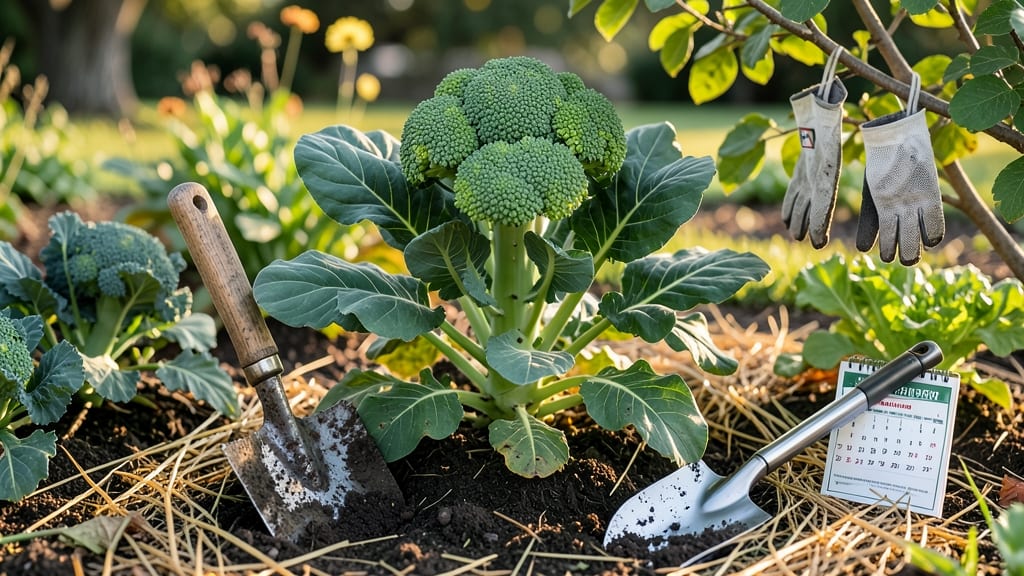
If you’ve ever dreamed of planting fall vegetables in Virginia and harvesting crisp greens straight from your garden, timing is the game-changer—and missing these deadlines could mean frost ruins your hard work before you even taste those homegrown treats.
Virginia’s Zone 7b climate gives us a second chance at gardening, but the window is narrow. Whether you’re planting frost-tolerant kale or heat-sensitive beans, knowing the exact dates to start ensures your crops thrive instead of wither.
Let’s break down the perfect schedule so you can enjoy fresh harvests well into autumn.
From coastal Virginia Beach to the Piedmont hills, microclimates shift planting timelines. I’ll show you how to adjust for your region, plus the top 5 vegetables that perform best in Virginia’s short fall season—without the guesswork.
Ready to extend your garden’s productivity? By the end, you’ll know exactly when to plant, how to prep your soil, and even how to push harvests into December. Let’s get growing!
Virginia Zone 7b fall planting calendar: exact dates for zero-frost vegetables
Virginia’s Zone 7b climate gives us a 60-75 day growing window for fall vegetables—just enough time to grow leafy greens, root crops, and brassicas before the first frost. The key is planting at the right time to avoid early October heat stress or late November frost damage.
I’ve broken down the exact dates based on Virginia’s average last frost (October 15–November 15) with backup windows for cooler or warmer years.
For heat-sensitive crops like cucumbers and beans, aim to plant by mid-August to give them time to mature before temperatures drop. Meanwhile, cool-season crops such as kale and spinach can handle light frosts and should go in late August through mid-September.
The goal? A harvest before the first hard frost, which typically hits Virginia between November 15–20.
Here’s your fall planting timeline with exact dates for Virginia’s most popular vegetables:
Pro tip: Use row covers or cold frames to extend harvests by 2–3 weeks for crops like lettuce and spinach. These simple tools create a 5–10°F warmer microclimate, protecting tender greens from light frosts. I’ve seen my baby spinach survive until December with just a lightweight cover!
If you’re in a warmer microclimate (like the Piedmont), you can push plantings slightly later—even into early October for fast-maturing crops. But if you’re near the coast (like Virginia Beach), err on the earlier side due to cooler ocean breezes.
Always check your local frost date averages for the most accurate timing.
For succession planting, sow quick-maturing crops like radishes or turnips every 2 weeks until mid-September. This ensures a steady harvest before the ground freezes. I’ve had success with ‘Cherry Belle’ radishes planted as late as October 1st—they’re ready in just 25 days!
Don’t forget to harden off seedlings before transplanting. Acclimate them to outdoor conditions over 5–7 days by gradually increasing their time outside. This toughens them up and reduces transplant shock, giving your fall crops a stronger start.
Finally, mark your calendar for October 15—this is my personal deadline for planting slow-to-mature crops like broccoli or cabbage. After that, I switch to faster varieties or use season extenders. With the right timing, you’ll be enjoying homegrown harvests well into December!
How to adjust planting for Virginia’s microclimates: coastal vs. Piedmont timing
Virginia’s geography creates distinct microclimates that can shift your fall planting deadlines by weeks. Coastal areas like Virginia Beach experience cooler, damp air from the Chesapeake Bay, while inland valleys near Charlottesville hold onto warmth longer.
These differences mean your broccoli seeds might thrive 2 weeks earlier in the Piedmont than on the coast.
Elevation plays a critical role too. Higher areas like the Blue Ridge Mountains (Zone 6b) can see frost 2-3 weeks earlier than lowland areas. Even within Zone 7b, a 500-foot elevation gain can mean 5-7 fewer frost-free days—enough to ruin a heat-sensitive crop like cucumbers.
Local frost pockets—common in river valleys—can create unpredictable cold snaps. For example, Lynchburg’s James River valley often experiences radiation frost 10-14 days earlier than surrounding hills. Always check microclimate maps from your local Cooperative Extension office for precise adjustments.
| Crop | Coastal (Virginia Beach) | Piedmont (Charlottesville) | Adjustment Tip |
|---|---|---|---|
| Kale | Sept 15-Oct 10 | Sept 22-Oct 15 | Start 7-10 days later inland |
| Green Beans | July 1-Aug 15 | July 15-Aug 20 | Extend window by 2 weeks inland |
| Spinach | Aug 20-Sept 30 | Aug 28-Oct 5 | Soil stays warmer longer inland |
| Zucchini | June 15-July 10 | June 22-July 15 | Plant 1 week later in valleys |
| Carrots | July 1-Aug 20 | July 15-Aug 25 | Longer growing season inland |
Soil temperature is another critical factor. Coastal areas cool faster after Labor Day, while Piedmont soils may stay above 60°F until mid-October. Use a soil thermometer to confirm readiness—50°F is the minimum for most cool-season crops.
If your soil cools before your target planting date, opt for fast-maturing varieties or use black plastic mulch to extend warmth.
For gardeners in transition zones (like Fredericksburg or Staunton), split your planting schedule. Start 50% of seeds on the coastal date and the remaining 50% two weeks later. This hedging strategy ensures you’ll have harvest-ready crops regardless of when frost hits your specific microclimate.
Remember: Row covers can push back frost dates by 2-4 weeks, giving you extra time to harvest. For high-value crops like broccoli or cauliflower, this extra protection might mean the difference between a bountiful fall harvest and a wasted investment.