Plants
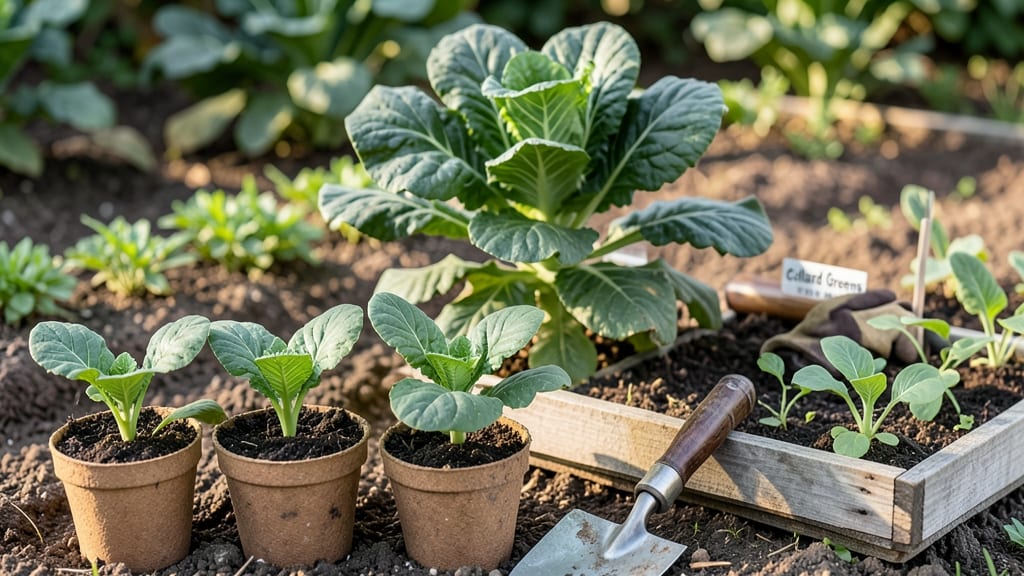
Knowing when to plant collard greens in SC is the secret to avoiding bitter, bolted plants and enjoying tender 🥬 harvests all season. South Carolina’s warm winters and long summers create the perfect conditions—if you time it right.
Plant too early in spring, and the heat will trigger bolting before you even harvest. Too late, and you miss out on those sweet, frost-sweetened leaves in fall.
Most gardeners in zones 7b-9a swear by two ideal windows: late winter to early spring (March-April) and early fall (August-September). These timing tricks let you beat the summer heat while maximizing your harvest.
But here’s the catch: not all collard varieties handle SC’s humidity the same way. Some bolt in 5 minutes of summer heat, while others thrive like they’re on vacation.
I’ve tested the best heat-tolerant varieties and planting hacks to keep your collards happy year-round. Whether you’re a first-time gardener or a seasoned pro, you’ll learn how to stretch your harvest from May through November—without the bitter surprises.
Let’s dive into the exact months and varieties that work best in your backyard.
Ready to grow collards that taste as good as they look? We’ll cover everything from soil prep to companion plants that keep your greens lush and your garden thriving. No more guessing—just proven strategies for SC’s climate. Let’s get planting!
Best planting months for collard greens in SC (avoiding bolt risk)
South Carolina’s humid subtropical climate creates perfect conditions for collard greens—but timing is everything. Plant too early, and your greens may bolt (go to seed) from heat stress. Plant too late, and frost cuts your harvest short.
The ideal window is March-April for spring and August-September for fall, aligning with soil temperatures between 50°F and 85°F.
In USDA Zones 7b-9a, the last frost typically occurs around mid-March (earlier in Zone 9a). This means you can start direct sowing 4-6 weeks before the last frost date for a spring harvest.
For fall plantings, aim to sow 8-10 weeks before the first frost (usually mid-November), giving your collards time to mature before cold sets in.
Here’s the breakdown: Spring plantings yield tender leaves by May-June, while fall plantings provide a second harvest in October-November. The key is avoiding summer heat, which triggers bolting. Even heat-tolerant varieties struggle when soil temps exceed 85°F for prolonged periods.
Pro Tip: Use a soil thermometer to monitor temps. Collard seeds need 60°F+ soil to germinate, but established plants handle up to 90°F with proper care. In Upstate SC (Zone 7b), start seeds indoors in February for early transplants, while Lowcountry (Zone 9a) gardeners can direct sow as early as February.
| Planting Window | USDA Zones | Soil Temp | Action |
|---|---|---|---|
| Spring (March-April) | 7b-9a | 50°F-75°F | Direct sow or transplant after last frost |
| Fall (August-September) | 7b-9a | 60°F-80°F | Sow 8-10 weeks before first frost |
| Avoid Summer (May-July) | All | >85°F | Risk of bolting; use shade cloth if attempting |
| Winter (December-February) | 7b-9a | 40°F-60°F | Cold-hardy; harvest leaves as needed |
For transplants, start seeds indoors 4-6 weeks before your target outdoor date. Use biodegradable pots to avoid root disturbance. Harden off seedlings for 7-10 days before moving them outside.
In Lowcountry SC (Zone 9a), you can even get a winter harvest by planting in November, as mild winters allow growth year-round.
Microclimates matter! Coastal areas (like Charleston) have longer growing seasons and can handle later fall plantings. Inland areas (like Greenville) may need to start earlier to avoid early frosts. Always check your local frost dates and adjust accordingly.
Succession planting works well for collards. Sow new seeds every 2-3 weeks during your ideal window to ensure a continuous harvest. For example, plant the first batch in early March, then follow up in mid-March and late March for staggered maturity.
This technique maximizes your yield and minimizes gaps in the kitchen.
If you’re tempted to plant in summer, use shade cloth (30-50%) to protect seedlings from intense sun. Pair this with daily watering and mulch to keep soil temps stable. However, even with these measures, summer-grown collards may still bolt faster, reducing quality.
Remember: Collard greens are cool-season crops at heart. They thrive when days are shorter and nights are cooler. By sticking to spring and fall plantings, you’ll enjoy tender, sweet leaves with minimal bolting and maximum flavor.
Best planting months for collard greens in SC (avoiding bolt risk)
South Carolina’s mild winters and hot summers create a tricky timeline for collard greens. These leafy greens bolt (go to seed) when stressed by heat, so timing is everything. The sweet spot for zero risk? Plant in late winter to early spring or late summer to early fall.
For spring plantings, aim for March 15–April 15 in most of SC (USDA zones 7b–9a). This gives seedlings time to establish before summer heat arrives. In the Upstate (cooler microclimates), you can start as early as February 20.
For fall harvests, sow seeds August 1–September 15. This ensures mature plants before the first frost (typically mid-November in zone 7b, earlier in zone 9a). Fall plantings often produce sweeter, more tender leaves than spring.
🌱 Collard Greens Planting Timeline for SC
| Season | Planting Window | Key Notes |
|---|---|---|
| Spring | March 15–April 15 | Direct sow after last frost; transplant seedlings for faster growth. |
| Fall | August 1–September 15 | Avoid summer heat; mulch to retain soil moisture. |
| Summer (Risky) | June–July | Use shade cloth (30–50%) and heat-tolerant varieties only. |
Transplanting seedlings (vs. direct sowing) gives you a 2-week head start. Buy 6-week-old plants from nurseries and set them out 2 weeks before your target planting window. This is especially useful in the Lowcountry, where summers are longer and hotter.
If you’re succession planting, stagger sowings every 2–3 weeks in spring or fall. This ensures a continuous harvest and reduces the risk of bolting from overcrowding. For example, plant one batch on March 20, another on April 5, and a final batch on April 20.
Pro tip: Monitor soil temperatures—collard greens thrive when soil is 50–85°F. Use a soil thermometer to avoid planting too early in cool springs or too late in warming falls. In zone 9a, wait until soil reaches 60°F before sowing.