
Plants
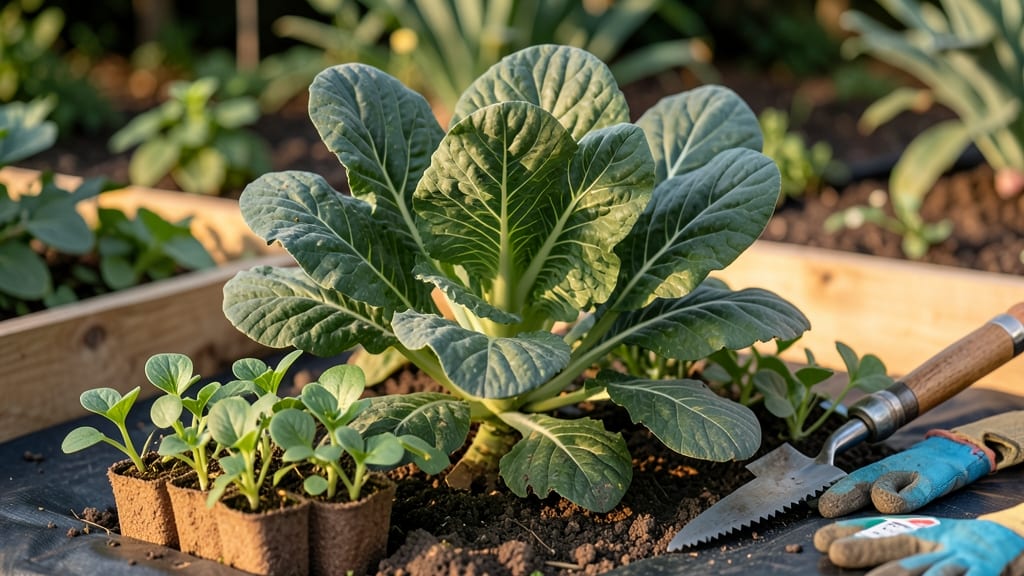
Best planting windows for collard greens in Tennessee’s Zone 7b climate
Collard greens thrive in Tennessee’s Zone 7b climate, but timing is critical to avoid bitter bolts or stunted growth. Since Tennessee experiences mild winters and hot summers, we focus on two ideal planting windows: spring and fall.
Each season offers unique advantages, and understanding these windows ensures a continuous harvest from early spring to late fall.
Spring planting in Tennessee typically begins after the last frost date, usually around March 15. This timing allows seedlings to establish roots before the soil warms, which can trigger early bolting.
Fall planting, on the other hand, starts about 4-6 weeks before the first frost, generally between August 1 and September 15. This ensures collards mature before winter sets in, providing a long harvest window before cold weather slows growth.
Here’s how to align your planting schedule with Tennessee’s climate for maximum success:
| Planting Window | Best Time in Tennessee | Soil Temp Requirement | Harvest Window | Key Consideration |
|---|---|---|---|---|
| Spring Planting | March 15 - April 15 | 50-60°F | May - June | Avoid heat stress; mulch to retain moisture |
| Fall Planting | August 1 - September 15 | 60-70°F | October - November | Plant early enough to mature before frost |
| Late Summer Succession | July 15 - August 15 | 65-75°F | September - October | Use shade cloth to prevent bolting |
🌱 Pro Tip: For a year-round supply, stagger plantings every 3 weeks in spring and fall.
In Tennessee’s Zone 7b, the last frost date typically falls around March 15, while the first frost arrives near November 15. This gives us a 180-day frost-free window, perfect for two full planting cycles.
For spring plantings, wait until the soil temperature reaches at least 50°F to prevent cold damage. In fall, aim to plant 60 days before the first frost to ensure a full harvest before winter slows growth.
One common mistake is planting collards too early in spring, which can lead to bolting as temperatures rise. To avoid this, use row covers or shade cloth during hot afternoons.
For fall plantings, focus on cold-hardy varieties like Georgia Southern or Vates, which tolerate light frosts and even improve in flavor after a light freeze. These varieties are ideal for Tennessee’s climate and can extend your harvest well into winter.
If you’re looking to maximize your harvest, consider succession planting every 2-3 weeks during the ideal windows. This ensures a continuous supply of tender leaves throughout the growing season. For example, plant a batch in early March, another in mid-April, and continue through September.
Each new batch will mature at a different time, giving you a steady harvest from late spring through fall.
Another key factor is soil preparation. Collard greens prefer well-draining, slightly acidic soil with a pH between 6.0 and 7.0. Before planting, amend your soil with compost or aged manure to improve fertility.
In Tennessee’s clay-heavy soils, adding organic matter like leaf mold or peat moss can enhance drainage and root development. This step is especially important in spring plantings, where moist soil helps seedlings establish quickly.
For those in higher elevations of Tennessee (e.g., Zone 6a), adjust your planting dates slightly earlier in spring and later in fall. In these areas, the last frost may occur as late as April 1, and the first frost could arrive by October 30.
Always check your local frost dates and adjust accordingly to avoid losing your crop to unexpected cold snaps.
Finally, monitor your collard greens for signs of stress, such as yellowing leaves or stunted growth, which can indicate nutrient deficiencies or pests. In Tennessee’s humid climate, aphids and cabbage worms are common pests.
Use neem oil or row covers to protect your plants, especially during the spring and fall growing seasons when pests are most active.
By following these
Best planting windows for collard greens in Tennessee’s Zone 7b climate
Tennessee’s Zone 7b climate gives you two prime windows to grow collard greens: spring and fall. These cool-season crops thrive when temperatures stay between 50°F and 75°F, making early spring and late summer/fall the sweet spots. Planting outside these windows risks bolting (premature flowering) or stunted growth.
For spring planting, aim for March 15 to April 15—after your last frost date (typically around March 15 in most of Tennessee). This ensures your collards mature before summer heat triggers bolting.
In fall, plant between August 1 and September 15 to harvest before the first frost (usually mid-November in Zone 7b).
| Season | Planting Window | Key Considerations |
|---|---|---|
| Spring | March 15 - April 15 | Soil temps 50°F+, avoid bolting from heat |
| Fall | August 1 - September 15 | Harvest before first frost (Nov 15), cold-hardy |
| Late Summer | July (shade-cloth) | Use 30% shade cloth to prevent bolting |
Pro tip: In Tennessee’s humid summers, avoid planting collards after May 15 unless you provide afternoon shade. The heat accelerates growth, leading to bitter leaves and early bolting. For a continuous harvest, stagger plantings every 2-3 weeks within these windows.
If you’re in Zone 6a (north Tennessee), push spring planting back to April 1 and fall planting forward to August 15 to account for earlier frosts. Always check your local frost dates—they can vary by 1-2 weeks across the state.
For container gardening, follow the same timing but use 5-gallon pots with well-draining soil. Containers warm up faster, so monitor soil temps closely—collards prefer cooler roots (ideal: 60°F-65°F).
Remember: Collard greens are biennials, meaning they’ll often overwinter in Tennessee’s mild climate. If you plant in late summer, they may survive winter and produce spring harvests with minimal care. Just mulch heavily before frost to protect roots.