
Plants
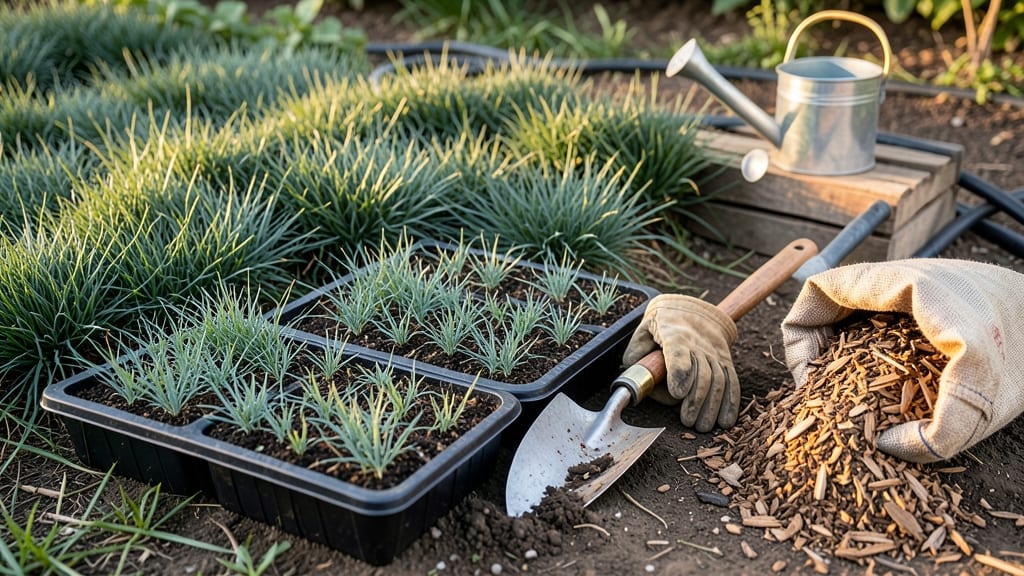
Timing your buffalo grass planting in Kansas can make the difference between a lush, drought-resistant lawn and a struggle with uneven growth. The right window—whether early spring or late summer—sets the stage for success, especially in zones 5b-7a, where frost and heat play major roles.
I’ve seen firsthand how Kansas’ unpredictable weather can throw off even the most well-planned schedules. But with the right approach, you can outsmart Mother Nature. Whether you’re planting seeds or sod, knowing when to start ensures your 🌱 buffalo grass takes root before summer’s scorching heat or winter’s first frost.
Most gardeners in Kansas swear by early spring (March-April) or late summer (August-September) as the sweet spots for planting. But why? It’s all about soil temperature, moisture, and avoiding competition from weeds.
Let’s break down the best times for your hardiness zone and how to prepare your soil for maximum success.
Ready to transform your yard into a low-maintenance, eco-friendly oasis? I’ll walk you through the exact steps to plant your buffalo grass at the perfect moment—so you can enjoy a resilient lawn that thrives year after year, no matter what Kansas throws your way.
Kansas hardiness zones and ideal buffalo grass planting dates
Kansas spans USDA hardiness zones 5b through 7a, and your buffalo grass planting window shifts slightly depending on where you live.
Most gardeners in Zone 5b (northern Kansas) should aim for late April to early May, while those in Zone 7a (southern Kansas) can plant as early as March 15—just after the last frost date.
Buffalo grass thrives when soil temperatures hit 55-65°F, which typically occurs in early spring or late summer. Planting too early in Zone 5b risks frost damage, while waiting too long in Zone 7a may stress young seedlings during summer heat. Timing is everything!
Here’s how your Kansas location affects planting dates:
| USDA Zone | Best Planting Window | Soil Temp Threshold | Key Consideration |
|---|---|---|---|
| 5b (Northern KS) | Late April–Early May | 55–60°F | Avoid late frosts; wait for stable warmth. |
| 6a (Central KS) | Mid-April–Late May | 60–65°F | Flexible window; prioritize soil moisture. |
| 7a (Southern KS) | March 15–April 15 | 60–65°F | Early spring or late summer (Aug–Sept). |
| Late Summer Option | August–September | 65–75°F | Best for drought-prone areas; avoids summer stress. |
For early spring planting, focus on Zone 5b gardeners—wait until after March 15 to ensure no late frosts. In Zone 7a, you can start as early as mid-March, but monitor soil temperatures with a thermometer to confirm readiness.
If the ground feels cold to the touch, delay planting.
Late summer planting (August–September) is ideal for drought-prone regions like western Kansas. This window allows buffalo grass to establish roots before winter, reducing summer heat stress. However, avoid planting after September 15, as seedlings may not mature enough before the first frost.
Pro tip: Use a soil thermometer to confirm temperatures. Buffalo grass seeds won’t germinate below 55°F, so patience pays off. If your soil is still chilly, cover seeds with straw mulch to retain heat and moisture.
In Zone 6a, where most of Kansas lies, you have a two-week window in early spring (April 1–15) and another in late summer (August 15–30). This flexibility makes buffalo grass a low-maintenance choice for Kansas lawns.
Remember, buffalo grass is a native Kansas plant, meaning it’s adapted to local conditions. Unlike cool-season grasses, it doesn’t need frequent watering once established, making it perfect for drought-resistant landscaping. Planting at the right time ensures it outcompetes weeds and thrives with minimal care.
Signs it’s the right time to plant (beyond the calendar)
Planting buffalo grass in Kansas isn’t just about checking a calendar—it’s about reading your soil and weather patterns. While March-April and August-September are ideal, you’ll want to confirm your yard is truly ready. Here’s how to tell when conditions align perfectly for seed germination and root establishment.
First, test your soil temperature—buffalo grass thrives when it’s between 55-65°F. Use a soil thermometer to check 2-3 inches deep. If it’s consistently warm, your seeds will sprout faster and avoid the shock of cool nights or heat stress.
Next, look for consistent moisture without soggy soil. Buffalo grass prefers well-drained conditions, so if rain is frequent, wait until the ground dries slightly. A simple test: squeeze a handful of soil—if it holds shape but crumbles easily, it’s perfect for planting.
Pay attention to the forecast, too. Aim for a 5-day window with no frost warnings and stable temperatures. In Kansas, late spring can bring sudden cold snaps, while late summer might bring scorching heat. Plant when the weather cooperates to avoid seed desiccation or transplant shock.
🌱 Did You Know? Buffalo grass seeds have a hard outer coating that requires scarification or stratification for faster germination. Soaking seeds in warm water for 24 hours before planting can jumpstart growth by 30-50%.
| Sign | What to Look For | Action |
|---|---|---|
| Soil Temperature | 55-65°F (2-3" deep) | Plant when stable for 3+ days |
| Moisture Level | Damp but not waterlogged | Water lightly before planting |
| Weather Forecast | No frost risk, temps >60°F | Avoid planting before warm fronts |
| Seed Viability | Fresh seeds (plant within 1 year) | Test germination rate if unsure |
| Soil pH | 6.0-7.5 (neutral to slightly alkaline) | Amend with lime if <6.0 |
Finally, observe your existing grass or weed competition. If weeds like crabgrass are already sprouting, it’s too early—buffalo grass grows slower and needs a clean slate. Conversely, if your lawn is dormant in late summer, that’s your cue to plant for a fall establishment advantage.
Once you’ve checked these signs, you’ll know your buffalo grass is ready to thrive without guesswork. The key is patience—waiting for the perfect moment means fewer weeds, stronger roots, and a lawn that outlasts Kansas’ droughts and heatwaves.