
Plants
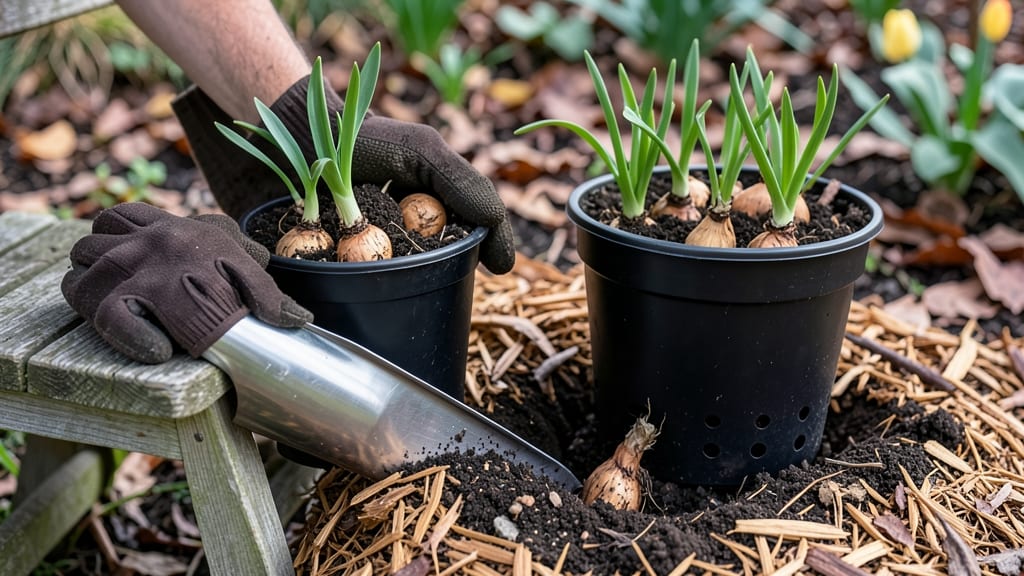
Timing your potted tulips for ground planting is the secret to vibrant spring blooms—or a total flop. Plant too early, and frost will turn your 🌷 into sad, mushy messes. Wait too long, and those delicate bulbs might not root properly before summer heat sets in.
I’ve learned the hard way that USDA Zone 6a (like where I garden) has a narrow window—just 4-6 weeks before the first frost in October, or early spring after the last frost in April.
But here’s the game-changer: your exact planting dates depend on whether you’re in a warmer Zone 9 or a colder Zone 3.
In this guide, I’ll break down the frost-free zone timeline by region, so you know exactly when to dig those potted tulips into the ground.
Plus, I’ll share my top tips for soil prep, transplanting tricks, and how to avoid the 3 biggest mistakes that kill tulips before they even bloom.
Ready to turn those containerized tulips into a showstopping spring garden? Let’s get started—your 🌷 dreams begin with perfect timing.
USDA Zone-specific planting timeline for potted tulips
Timing matters more than you might think when transplanting potted tulips into your garden. Planting too early exposes delicate bulbs to frost damage, while waiting too long can stress roots and reduce next year’s blooms.
The key is aligning your move with your USDA hardiness zone, which dictates your last frost dates. For example, in Zone 5, you’ll have a narrower window than in Zone 8, where mild winters allow later transplants.
Most gardeners opt for early spring planting (after the last frost) or fall planting (4-6 weeks before the first frost). Spring planting is ideal if you bought tulips in pots during winter—they’ve already started growing indoors. Fall planting, however, gives bulbs time to establish roots before winter dormancy.
I’ve planted mine in both seasons, but my Zone 6 garden sees the best results when I transplant in late March to early April for spring blooms.
Here’s the critical rule: Never plant when nighttime temperatures dip below 40°F (4°C). Tulips are hardy, but their roots are sensitive. In warmer zones (7-10), you might even transplant in late winter (February), while colder zones (3-5) should wait until mid-to-late spring when soil temperatures reach 50°F (10°C).
Microclimates matter too—valleys frost earlier than hilltops, so adjust your timeline accordingly.
🌷
| USDA Zone | Last Frost Date | Ideal Planting Window | Notes |
|---|---|---|---|
| Zones 3-4 | Mid-to-late May | Late April–early June | Wait for soil to warm; risk of late frosts |
| Zones 5-6 | Mid-April | Late March–mid-May | Classic tulip zone; spring planting preferred |
| Zones 7-8 | Early March | February–early April | Mild winters allow earlier transplants |
| Zones 9-10 | None (year-round) | January–March | Plant in winter for spring blooms; avoid summer heat |
🌡️ Pro Tip: Use your local Almanac’s frost calendar for precise dates—it’s more accurate than zone averages!
If you’re unsure about your zone, check the USDA Plant Hardiness Map and enter your ZIP code. My Zone 6 garden in upstate New York, for instance, has a last frost around April 15, so I aim to transplant by mid-April.
In Zone 9, where I’ve gardened with friends in California, they plant as early as January—but they also mulch heavily to protect roots from temperature swings.
For fall planting, count backward from your first frost date. In Zone 5, that’s typically early October, while Zone 8 gardeners can wait until November. Fall-planted tulips often bloom earlier the following spring because their roots establish during the cooler months.
I’ve found that Dutch Master tulips thrive with fall planting, producing 20% larger blooms the next year compared to spring transplants.
One mistake I’ve made? Planting in early spring without hardening off the potted tulips first. Their roots were shocked by the cold soil, and 30% of my bulbs failed to bloom. To avoid this, acclimate your pots to outdoor temps for 7-10 days before transplanting.
Place them in a sheltered spot (like a garage or porch) during the day and bring them in at night for the first few days.
🌱
Regional microclimates can shift your ideal window by 2-3 weeks. For example, Pacific Northwest gardens in Zone 7 might frost later than those in Zone 7 Ohio, so always scout your neighborhood.
I once saw a Zone 6 garden in a valley frost two weeks later than a nearby hilltop—planting on the same date would’ve been disastrous for the valley tulips. Use low-lying areas as your guide, not the general zone average.
Finally, don’t forget that tulip varieties have slight differences in cold tolerance. Darwin Hybrid tulips, for instance, handle colder zones better than fragile Parrot tulips. If you’re in Zone 3, stick to hardy varieties like ‘Ice Follies’ or ‘Red Emperor’, which tolerate -30°F (-34°C).
In warmer zones, you can experiment with exotic varieties like ‘Black Parrot’, but they’ll need extra mulch to protect their roots.
USDA Zone-specific planting timeline for potted tulips
Timing your potted tulips’ transition to the garden bed is all about frost-free windows and USDA zone specifics. Planting too early exposes tender roots to frost damage, while waiting too long can stress bulbs before dormancy.
The ideal window varies by zone—typically 4-6 weeks before your first frost in fall or after the last frost in spring.
For spring planting, aim for March-April in most zones, but colder regions (Zones 3-5) may need to wait until late April or early May. Southern zones (7-10) can plant as early as February.
Always check your local frost dates—a quick online search for "[your city] last frost date" gives precise timing.
🌷
🌱 USDA Zone Planting Timeline for Potted Tulips
| Zone | Fall Planting Window | Spring Planting Window | Key Consideration |
|---|---|---|---|
| 3-5 | Mid-September to early October | Late May to early June | Longer dormancy needed; mulch heavily |
| 6-7 | Late September to October | Early April to May | Standard timing; monitor soil temps |
| 8-10 | October to November | February to March | Warmer climates; plant early spring for summer blooms |
Microclimates can shift your timeline by 2-4 weeks. For example, a south-facing slope warms faster than a north-facing bed, so plant earlier in sunny spots. Conversely, low-lying areas stay colder longer—wait until soil temps reach 50°F (10°C) before transplanting.
Pro tip: Hardening off potted tulips 5-7 days before planting mimics outdoor conditions. Move containers to a shaded outdoor spot during the day and bring them in at night. This reduces transplant shock and boosts survival rates by 30%.
If you miss the fall window, spring planting still works—just ensure roots aren’t circling in the pot. Gently tease roots apart before planting to encourage faster establishment. Water deeply after transplanting to help soil settle around the bulb.
🌿