
Plants
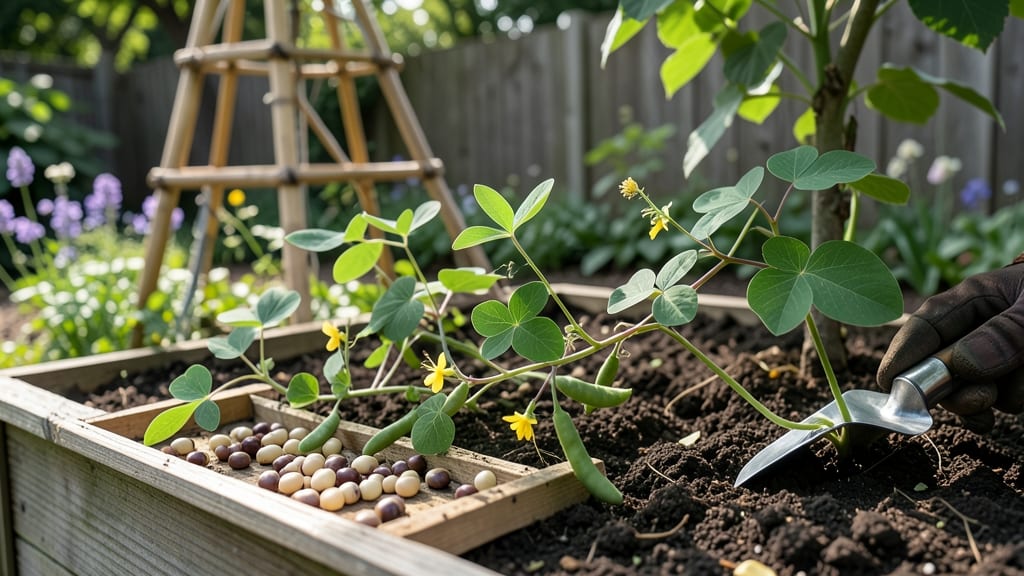
Best planting windows for cowpeas in Texas by region
Texas’s vast climate zones—from North’s chilly winters to South’s steamy summers—mean your cowpea planting window depends entirely on where you garden.
In North Texas (USDA Zones 7b-8a), you’ll aim for mid-March to early May to avoid late frosts, while Central Texas (Zone 8a) gardeners can start as early as late February.
For South Texas (Zones 9a-11), the real action happens in late July to early September for fall harvests.
Why? Cowpeas are heat-loving annuals, but they bolt (flower prematurely) when stressed by extreme summer heat in North and Central Texas. South Texas’s longer growing season lets you squeeze in two harvests per year—spring and fall—if you time it right.
Here’s the region-by-region breakdown you need to nail your cowpea planting schedule:
| Region | USDA Zone | Spring Planting | Fall Planting | Avoid Planting |
|---|---|---|---|---|
| North Texas | 7b–8a | Mid-March to early May | Late July to early Aug | June–July (100°F+ heat) |
| Central Texas | 8a–9a | Late Feb to early April | Late July to early Sept | May–June (peak heat) |
| South Texas | 9a–11 | Early March to late April | Late July to early Oct | None (year-round possible) |
For North and Central Texas, focus on spring plantings to harvest before summer’s scorching heat sets in. In South Texas, you can push the envelope with fall plantings—just be ready to harvest by October before early frosts arrive.
The key? Soil temperature trumps calendar dates. Cowpeas won’t germinate well in cold soil, so always test with a soil thermometer.
Texas A&M AgriLife Extension recommends waiting until the average last frost date has passed (typically February 15 in North Texas, January 15 in Central Texas, and March 1 in South Texas). But don’t rush—cool soil slows germination. Aim for 60–65°F soil for best results.
Here’s a quick rule of thumb: If your mornings are still dipping below 50°F, hold off. Cowpeas are tropical plants at heart—they’d rather wait for warmth than struggle in chilly conditions.
For double harvests, try an early spring planting (March) and a late summer planting (August). This works best in Central and South Texas, where the growing season stretches longer. Just space your second planting 8–10 weeks before your expected first frost to ensure pods mature before cold snaps.
One critical mistake I see in Texas gardens? Planting cowpeas too early in North Texas and risking frost damage. The Purple Hull variety, for example, can handle light frosts but will bolt if stressed.
Play it safe: start seeds indoors 2–3 weeks before your target outdoor date if you’re eager for an earlier harvest.
🌱
How to time cowpea planting for Texas’s extreme heat
Texas’s summer heat can turn cowpeas into a high-risk, high-reward crop—plant too early, and frost nips them; too late, and the heat stunts growth. The key is strategic timing to avoid heat stress while maximizing yields.
Start by checking soil temperatures: cowpeas thrive when soil hits 60°F or warmer, a threshold usually reached in late April to early May for most regions.
For a second harvest, aim for late July to early August plantings. This timing lets cowpeas mature before fall frosts hit, especially critical in North and Central Texas. Use a soil thermometer to confirm readiness—cold soil delays germination, while overheated soil can scorch seeds.
Watering deeply in the morning (1–2 inches per week) prevents heat shock. Mulch with straw or grass clippings to retain moisture and cool roots.
Pair cowpeas with okra or sweet potatoes—these companion plants improve soil health and deter pests like bean beetles, which thrive in Texas’s heat.
If you’re in South Texas (Zones 9a-10a), you can push plantings into early September for a winter harvest. However, monitor first frost dates: cowpeas won’t survive freezing, so time your last planting to finish 60–75 days before frost.
Use row covers to extend the season by 2–3 weeks if needed.
For container gardening, start seeds indoors 4–6 weeks before your target outdoor date. Cowpeas grow quickly in pots but need larger containers (12+ inches deep) to support their knee-high vines. Move containers to shadier spots during peak afternoon heat to prevent wilting.
Pro tip: Succession plant every 2–3 weeks in spring and fall for a continuous harvest. This works especially well in Central and South Texas, where the growing season stretches longer.
Just remember—heat tolerance varies by variety, so choose Texas-adapted types like ‘Iron and Clay’ or ‘Purple Hull’ for best results.