
Plants
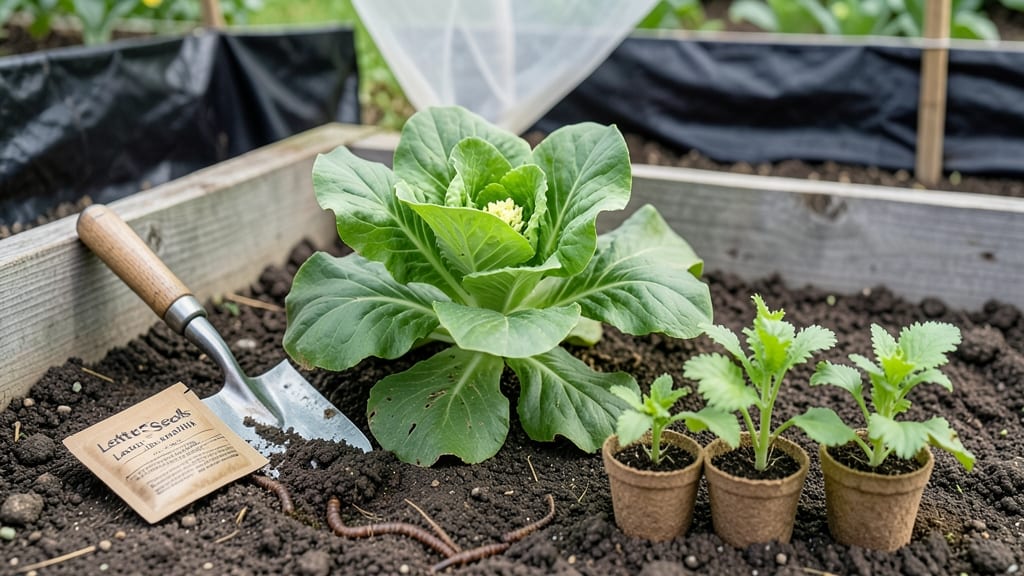
Timing your lettuce planting in North Texas isn't just about throwing seeds in the dirt—it's the difference between crisp, homegrown 🥬 and bitter disappointment. With our 90°F+ summers and unpredictable winters, getting the schedule wrong means watching your plants bolt faster than you can say "salad season."
But here's the good news: with the right month-by-month strategy, you can grow lettuce year-round in North Texas. We're talking fall harvests that last through December and spring plantings that give you fresh greens by April.
The key? Understanding when to start seeds indoors, when to transplant, and which heat-tolerant varieties will actually survive our Texas heat.
I've tested these methods in Zone 8a myself, and I'll show you exactly when to plant for maximum yields—plus how to extend your harvest with shade cloth and succession planting. No more guessing games, just reliable, delicious lettuce all season long.
Ready to stop wasting seeds on failed plantings? Let's dive into the exact planting windows, variety recommendations, and pro tips that will have you harvesting crisp lettuce like a North Texas growing expert.
North Texas lettuce planting calendar: exact months to start seeds & transplant
North Texas gardeners face a unique challenge: lettuce bolting when temperatures creep above 80°F. But with the right timing, you can enjoy crisp greens from fall through spring.
The key is planting during cool-season windows when soil temps stay below 75°F—typically September-October for fall and February-March for spring.
North Texas falls under USDA Zones 7b-8a, with an average first frost around November 15 and last frost February 15. These dates anchor your planting schedule. For fall lettuce, start seeds 4-6 weeks before frost (late August-early September) or transplant seedlings 6-8 weeks before frost (mid-September).
Spring planting is trickier due to rising heat. Begin seeds indoors 6-8 weeks before last frost (December-January) or sow directly 2-3 weeks before last frost (early February). Avoid planting after March 15 unless using heat-tolerant varieties with shade protection.
Here’s your North Texas lettuce planting timeline at a glance:
| Season | Planting Window | Action | Notes |
|---|---|---|---|
| Fall | Late August - Early September | Start seeds indoors | Transplant seedlings by mid-September |
| Fall | Mid-September | Direct sow outdoors | Use shade cloth if temps exceed 85°F |
| Spring | December - January | Start seeds indoors | Transplant by early February |
| Spring | Early February | Direct sow outdoors | Avoid planting after March 15 |
| Summer | June - July | Plant heat-tolerant varieties | Use 30-50% shade cloth; expect slower growth |
Soil temperature is your best indicator for success. Lettuce thrives when soil temps are between 40°F and 75°F. Use a soil thermometer to monitor conditions—if temps rise above 80°F, your lettuce will bolt within 2-3 weeks. In North Texas, this usually happens by mid-April, making spring harvests short-lived without shade strategies.
For continuous harvests, use succession planting: Sow new seeds every 2-3 weeks from September through February. This ensures a steady supply of fresh leaves without gaps. Pair this with heat-tolerant varieties (like Jericho or Black Seeded Simpson) to extend your growing window into early summer.
Pro tip: Mulch heavily with straw or shredded leaves to keep soil cool and retain moisture. This simple trick can delay bolting by 1-2 weeks in borderline heat. Pair it with drip irrigation to avoid wetting foliage (which invites disease) and maintain even moisture levels.
North Texas gardeners often overlook winter lettuce, but cool winters (especially in Zone 7b) allow for December-January harvests. Choose cold-hardy varieties like Winter Density or Arctic King for crisp greens even when temps dip below 30°F.
Just be sure to protect seedlings with row covers during hard freezes.
Finally, test your soil before planting—lettuce prefers pH 6.0-7.0. Amend with compost or aged manure to boost organic matter, which improves water retention and nutrient availability. A well-prepared bed can mean the difference between bolting disaster and crisp perfection.
With this schedule, you’ll avoid the bitter, seed-filled disappointment of summer-bolting lettuce and enjoy fresh greens from late fall through early spring. Next, we’ll dive into the 5 heat-tolerant varieties that can handle North Texas summers like a pro. 🥬
How to extend lettuce harvests in North Texas: shade, succession planting & emergency fixes
North Texas summers can turn your lettuce into bitter, bolted disappointment faster than you can say "100°F." But with the right strategies, you can stretch your harvest well beyond the usual fall window.
The key is combining shade protection, succession planting, and quick fixes for plants that already bolt.
First, let’s talk about shade cloth. A 30-50% shade cloth can drop soil temperatures by 10-15°F, giving your lettuce a fighting chance in summer. I’ve had success with black mesh cloth draped over hoops—just make sure it’s secured tightly to avoid tearing.
Even a temporary setup can buy you 4-6 extra weeks of harvestable greens.
🚨 WARNING: BOLTING ISN'T ALWAYS A LOSS 🚨
If your lettuce has already bolted, don’t toss it! Harvest the outer leaves first before the plant sends up a flower stalk. These leaves are still tender and perfect for salads. For Romaine varieties, you can even cut the entire head and let the base regrow if you act fast.
For continuous harvests, succession planting is your best friend. In North Texas, I plant every 2-3 weeks from September through November and again from February through March. This ensures you always have fresh lettuce while older plants mature. Pro tip: Use small containers or a dedicated bed for each planting—this makes rotation easier.
Watering plays a huge role too. Lettuce hates fluctuating moisture levels, which can trigger bolting. I use drip irrigation set to run in the early morning to keep soil consistently moist.
During summer, I switch to light, frequent watering—think of it like giving your plants a daily drink instead of a weekly bath.
Finally, don’t overlook soil temperature. Lettuce roots struggle in soil hotter than 75°F. If you’re planting in summer, amend your soil with compost or aged manure to improve moisture retention and cool the root zone. Mulching with straw or grass clippings also helps maintain even temperatures.
With these tricks, I’ve managed to harvest lettuce in North Texas from late September through December and again from March through May. The secret? Staying one step ahead of the heat—and never giving up on a plant until it’s truly done for. 🌱