
Plants
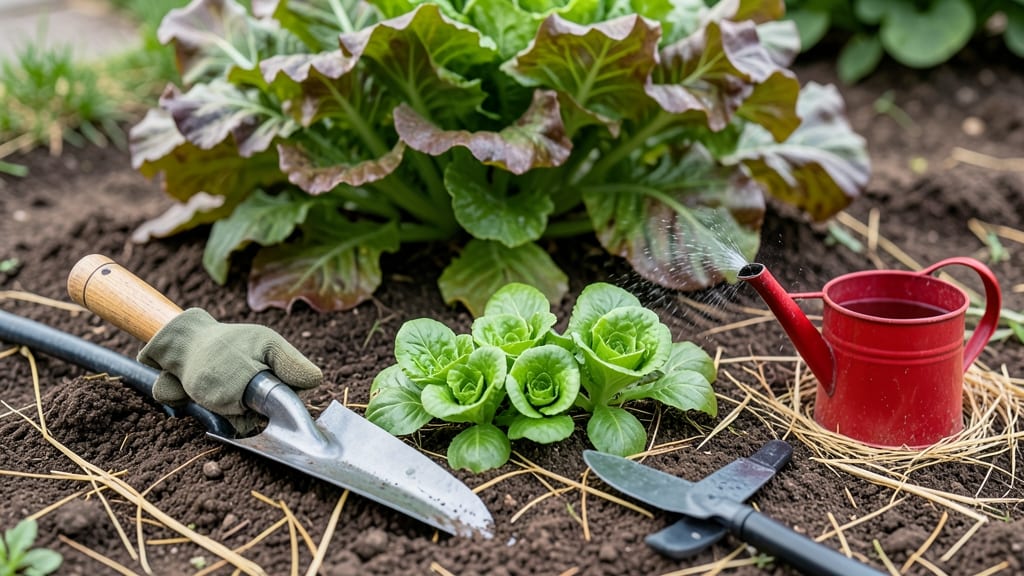
Knowing when to plant lettuce in Zone 9b is the secret to avoiding bitter, bolted greens and enjoying crisp 🥬 harvests all year. Unlike cooler climates, Zone 9b's intense heat can turn your lettuce into sad, wilted memories if you're not strategic.
But with the right timing, you can grow delicious lettuce even in Phoenix's summer swelter.
The key is planting during cooler months—think late summer through early spring—when temperatures stay mild enough for tender leaves. This means skipping the traditional spring window and focusing on fall and winter crops instead.
I'll show you exactly which months work best and how to pick heat-resistant varieties that won't give up on you.
You'll also discover how to beat the heat with simple tricks like shade cloth and proper watering schedules. No more guessing games—just reliable, homegrown lettuce that tastes better than anything from the store. Let's get your Zone 9b garden thriving with lettuce that actually stays crisp and delicious.
From choosing the right varieties to extending your harvest season, I've got you covered with actionable tips that work in Southern California's desert climate. Ready to grow lettuce that doesn't fight against the heat? Let's dive in.
Optimal planting windows for lettuce in Zone 9b: avoiding heat stress
In Zone 9b, where summer temperatures can soar above 90°F (32°C), traditional spring planting often leads to bolted lettuce—bitter, seed-stalk-producing plants that ruin your harvest. The key to success? Strategic timing and heat-tolerant varieties. I’ve grown lettuce in Phoenix for years, and these windows work every time.
Lettuce thrives in cooler months when daytime highs stay below 75°F (24°C). In Zone 9b, that means focusing on fall, winter, and early spring plantings. Summer planting is possible with shade, but I recommend avoiding it unless you’re committed to extra care.
Here’s my exact planting schedule for Zone 9b, broken down by season. Each window offers different varieties and harvest timelines to keep your garden productive year-round.
| Planting Window | Ideal Months | Best Varieties | Days to Harvest | Key Notes |
|---|---|---|---|---|
| Early Fall | August–September | Jericho, Black Seeded Simpson | 30–45 days | Plant seeds 4–6 weeks before first cool snap (70°F/21°C days). Use shade cloth if temps exceed 85°F/29°C. |
| Late Fall | October–November | Winter Density, Oakleaf Butterhead | 40–50 days | Perfect for mild Zone 9b winters. Harvest before spring heat arrives (March). |
| Winter | December–February | Romaine, Little Gem | 50–60 days | Slow growth in cooler months. Protect from unexpected cold snaps (<50°F/10°C). |
| Early Spring | February–March | Nevada, Summer Crisp | 25–35 days | Rush to harvest before April heat. Use drip irrigation to avoid stress. |
| Summer (Advanced) | June–July | Jericho, Nevada | 40–50 days | Only attempt with 50% shade cloth and daily watering. Harvest quickly to avoid bolting. |
Why does this schedule work? Lettuce bolts (prematurely flowers) when exposed to consistent temperatures above 75°F (24°C). By planting in fall and winter, you avoid this stress entirely. For example, my August–September plantings mature before the worst heat hits, while February–March crops finish before April’s rising temperatures.
Pro tip: Use a seedling heat mat if starting indoors in summer. I’ve had success with Jericho lettuce germinating at 70°F (21°C) on a heat mat, then transplanting into shaded beds. This buys you an extra harvest window.
For year-round production, stagger plantings every 2–3 weeks during your ideal windows. This ensures a steady supply of fresh greens without overwhelming your garden. I plant 50 seeds every 14 days in fall for continuous harvests through spring.
One common mistake? Skipping soil prep. Lettuce needs rich, well-draining soil with a pH of 6.0–7.0. Before planting, amend your beds with 2–3 inches of compost and a balanced fertilizer (5-10-10). My soil tests show that Zone 9b’s clay-heavy soils often need extra organic matter to retain moisture.
Finally, monitor your microclimate. A north-facing bed stays cooler than a south-facing one, even in summer. I’ve grown lettuce in partial shade under fruit trees during peak heat, with great results. Use these microclimates to extend your growing season naturally.
With these timing secrets, you’ll enjoy crisp, sweet lettuce from October through April—no bolting, no bitterness, just homegrown perfection. 🥬
Optimal planting windows for lettuce in Zone 9b: avoiding heat stress
Zone 9b’s hot summers (90°F+) can turn lettuce into a bitter, bolted mess if planted at the wrong time. The key is strategic timing—focus on fall, winter, and early spring when temperatures stay below 80°F.
Traditional summer planting is a recipe for failure unless you’re growing heat-tolerant varieties with shade protection.
Your best planting windows are August-September (fall) and February-March (spring). These periods offer cooler temps (60°F-75°F) and longer daylight hours, ideal for leaf and head lettuce. Avoid planting between May and July unless you’re using shade cloth (30-50%) and heat-resistant varieties.
| Season | Planting Window | Ideal Varieties | Temperature Range | Harvest Window |
|---|---|---|---|---|
| Fall | Late August - Early October | Black Seeded Simpson, Nevada, Oakleaf Butterhead | 65°F-75°F | October - December |
| Winter | November - January | Winter Density, Rouge D’Hiver | 50°F-65°F | December - March |
| Spring | February - Early April | Jericho, Summer Crisp | 60°F-70°F | April - May |
| Summer (with shade) | June - July | Jericho, Nevada (under 50% shade) | Below 85°F | August - September |
For year-round harvests, try succession planting—sow new seeds every 2-3 weeks during your optimal windows. This ensures a continuous supply without gaps. For example, plant Black Seeded Simpson in late August, then follow up with Winter Density in November for a winter harvest.
If you must plant in summer, use 50% shade cloth and focus on heat-tolerant varieties like Jericho or Nevada. Water deeply in the early morning to prevent stress, and avoid overhead watering to reduce fungal risks from high humidity.
Monitor your soil temperature—lettuce prefers 60°F-70°F for germination. Use a soil thermometer to check before planting; if it’s above 80°F, wait or use shade. Mulch with straw or grass clippings to keep roots cool and retain moisture.
Remember: Bolted lettuce is a sign of stress—whether from heat, drought, or poor timing. By sticking to these optimal windows and varieties, you’ll enjoy crisp, sweet lettuce all year, even in Zone 9b’s challenging climate. 🌱